Getting Sticky With: Lake Bell
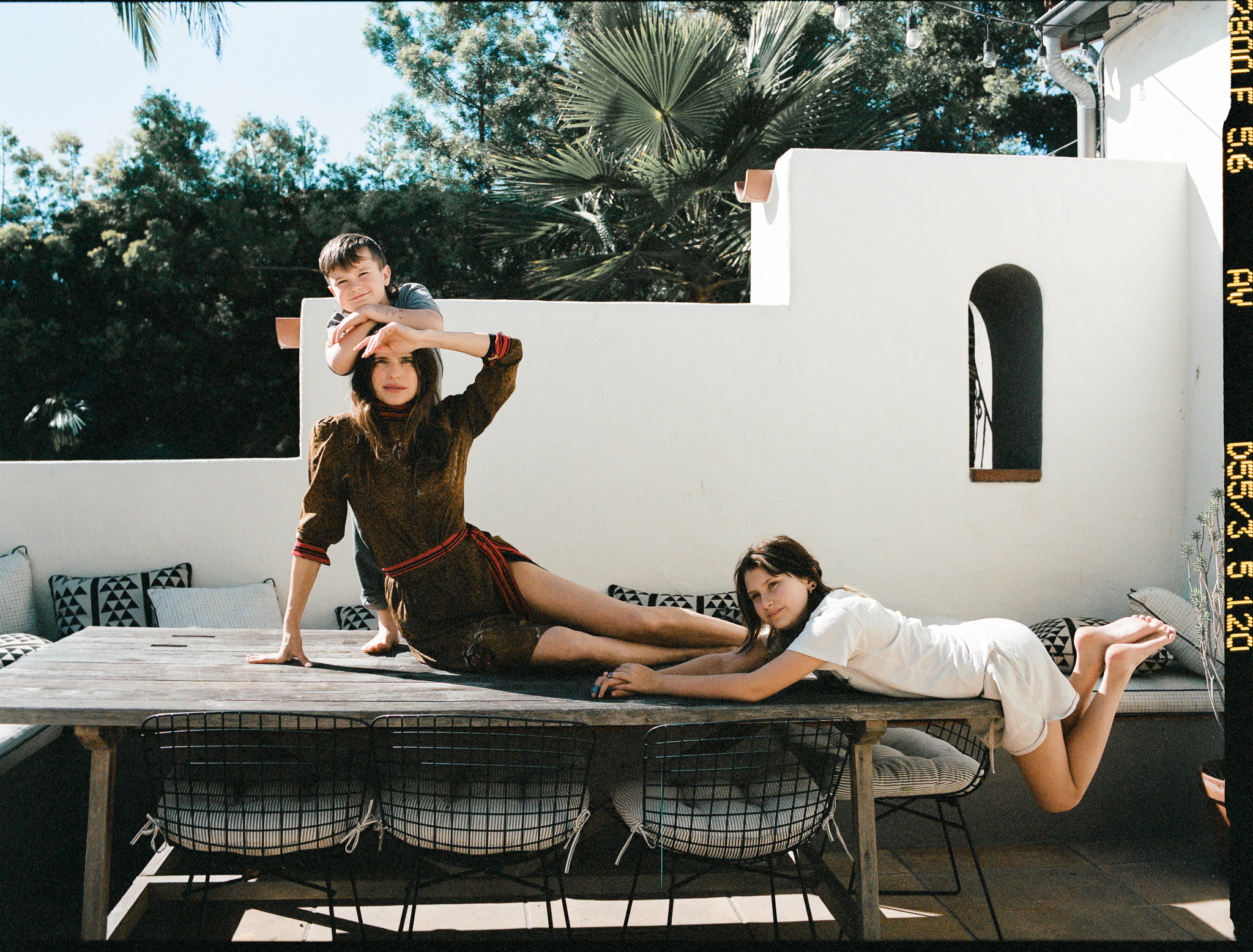
Lake Bell would describe her co-parenting dynamic as something shaped, in part, by necessity. Her daughter’s epilepsy requires constant hands-on attention from both partners—medical decisions are ongoing, important conversations are constant. This has made consciously uncouplingling (yes) from her ex-husband feel more vital: they don’t have the luxury to bicker or get caught up in the small stuff. They still say “I love you” on the phone. They are no longer married but they are still friends.
Another dynamic they’re constantly working through is what equal parenting actually looks like in practice. When one child requires more medical attention, it can be easy—often unintentionally—to shift focus away from the other. It’s not about fairness in a perfect sense, but about staying aware, recalibrating, and making sure both kids feel seen.
Below, we spoke with Lake about the importance of teaching bodily autonomy early on, the excitement of being part of a project like The Chair Company (and what’s ahead for season two), and a certain inevitability that comes with being a parent: you will fuck up.
Words by AnaMaria Glavan, Photos by Robin Harper
The beauty of living = to change, to evolve
My mom is integral to who I am. She always showed me what it was like to be loving and constant, that there’s a given that her love is abounding and never faltering. And also, that she can disagree with some of my choices, and she can be imperfect with her own choices and have grace and fall and be in the mud and then pull herself back up. The beauty of what my mom modeled to me was evolving chapters. Even in her rapport with her own mother, which was very fraught, she decided to make that relationship what she always wished it would be. She would treat her the way that she wished—she sort of faked it till she made it.

"Growing up, the things I remembered were this sense of evolution and grace, and our privilege to age and change and to make mistakes. That is what living—true living—is: to be able to admit those things and learn from them."
What I love about that is, again, another act of real love and evolution. This is not somebody who was living as a hippie on the side of a mountain and decided to do ayahuasca and then love thy neighbor. It wasn’t like that. She’s somewhat culturally pretty conservative in how she presents herself. She’s a vision in cream colors, and she’s one of the most stylish women I know. She doesn’t walk in the room trying to make everyone look at her. However, everybody’s looking at her because she’s so graceful.
But the point is, growing up, the things I put in my pocket and remembered were this sense of evolution and grace, and our privilege to age and change and to make mistakes. In itself, that is what living—true living—is: to be able to admit those things and learn from them. This is kind of a subject that I am really well-versed in because my daughter, Nova, has epilepsy. There are neurological differences that she struggles with. She struggles with depression, anxiety, learning differences.
Conscious uncoupling
Scott and I are mates. We’re friends, and we say I love you. We’re family for the rest of our lives. Sometimes the silver lining of having a kid with an illness is that you forge a bond that’s kind of unique with your partner.
For us, it felt a little more luxurious to be able to not talk, because we had so many things where we just had to talk to each other—about making big decisions about medications and treatments and things like that. And I also want to give Scott and I both mad credit for going to therapy. We do a therapy phone call every two weeks since our divorce to invest in our family unit. You’re like, why would you invest in this person who you’re no longer married to romantically and move on with your life? The truth is, he is my forever person in parenting my children.
"It felt like such a privilege to even discuss something like, 'we should have sex more.' We weren’t talking about that right now because our daughter’s having 11 to 16 seizures a day, and we have to figure out what the medication’s going to be."

We were not able to look at relational issues while we were in the throes of Nova’s illness. So the idea of “we haven’t had enough date nights” felt so tiny—and it was in the throes of COVID as well. It felt like such a privilege to even discuss something like, “we should have sex more.” We weren’t talking about that right now because our daughter’s having 11 to 16 seizures a day, and we have to figure out what the medication’s going to be. And we have a young son as well.
It’s why we ended up being in such great rapport after the divorce. We did the conscious uncoupling—we very intentionally and mindfully separated, also for the sake of our kids. I’m acutely aware that it is not an option for everyone to disembark from a marriage with that kind of gentle grace. I understand that things happen and it’s complicated.
Learning how to water the seeds of empathy
My biggest demon as a parent is trying to fix things. That’s our default. You see your kid crying, upset, navigating stuff, and then all of a sudden it turns into social-emotional wrestling: people don’t like me, I’m being bullied, I don’t look right, I’m dumb, I’m too smart, I’m not smart enough.
We’re already there with an 11-year-old. There’s discussion of physicality and body dysmorphia and sexual orientation. She’s pansexual, but now she’s lesbian, and it’s an evolution of gender and sexuality and feeling other, not other enough, or not accepted as being other.
And the truth is, I can’t fix her problems. We know this. But I have to constantly remind myself that I am not her God. I have my own God. That doesn’t mean I can’t be a blanket of warmth and love and support because of course I can be those things. But I cannot come in and fix everything. Even though, if you left me with no therapy, I would be enabling the crap out of her. And sometimes I screw up.
I’m not going to get into the weeds about world events with them, for instance. I’m not going to tax them with pictures and images and stories. But I will let them know that they are safe—and that is very unusual, that there are a multitude of children who are not. My filter system is something ever-evolving and something I need to always work on, because I consider myself an activist. And I also have to make sure that, because I have one child with extreme anxiety, I’m very aware of how I filter things for that specific child.

"And the truth is, I can’t fix her problems. We know this. But I have to constantly remind myself that I am not her God. I have my own God. That doesn’t mean I can’t be a blanket of warmth and love and support because of course I can be those things. But I cannot come in and fix everything."
When George Floyd was murdered and I’m sitting there trying to explain to them why people are taking to the streets and why people are angry, I’m going to be pretty clear and very above board about social justice and systemic racism and white supremacy in this country.
There are certain things where I’m like, you are white and you are sort of immune to this kind of discrimination. I want them to be acutely aware of it. And just because it’s not coming at you directly doesn’t mean it’s not coming at our whole community, indirectly or directly. You’re part of a larger system. There’s a beautiful empathy thread that they have, thank God, in their systems. And I’m like, this is how you become an empathetic person. I won’t hide them from that.
And then, privately there’s the difference between when I’m feeling sad and weepy because there are multiple genocides happening on our planet concurrently, and children that look like them, that are the same age as them, are getting murdered or maimed or suffering.
It’s never too early to teach bodily autonomy
I have a son and I have a daughter, so I’m aware of my teachings to both of them in the context of the world. And I feel it’s never too early. You’re never too early for discussions around consent and the protection and sanctity of your body and spirit and body autonomy and holiness. It’s something I was not fully aware of early on, that you could say, “Hey, don’t touch me.” I didn’t know that’s what people did.
And I think when kids hit that pre-teen phase, they start thinking, I just want people to like me, I don’t want to make them feel bad. That’s something we carry for the rest of our lives. That inner voice of, “I just want to be liked.” That’s something I’m trying to jostle a lot. Because from that little seed unfurls a lot of problems. We want people to like us, and we don’t want to make people go away. That’s the most simple core threat in the human experience.
So that kind of messaging and modeling is what I try to do. If there’s an opportunity where I’m in a situation and I say, I just left that meeting because I didn’t feel like that person was speaking to me in a way that felt respectful and it just didn’t feel right in my gut, which you always listen to, that said — I need to move out of that space. And then my kids will share with me—gosh, that person across the street doesn’t make me feel comfortable, I wouldn’t want to get out here. And I go, okay, tell me more about that.
"You’re never too early for discussions around consent and the protection and sanctity of your body and spirit and body autonomy and holiness. It’s something I was not fully aware of early on, that you could say, “Hey, don’t touch me.” I didn’t know that’s what people did."

Also: I was a little sister, and my big brother was the one who my parents had to funnel a lot of energy and parent-teacher conferences. He got kicked out of some schools. It’s different from my situation where my eldest has a neurological condition, but there was definitely a lot of attention given to my big brother when I was little, who’s awesome and thriving now (all the great thinkers get kicked out of schools incidentally). But growing up, I was so “good.” I was always trying to be “the good girl” and easy and never got in trouble.
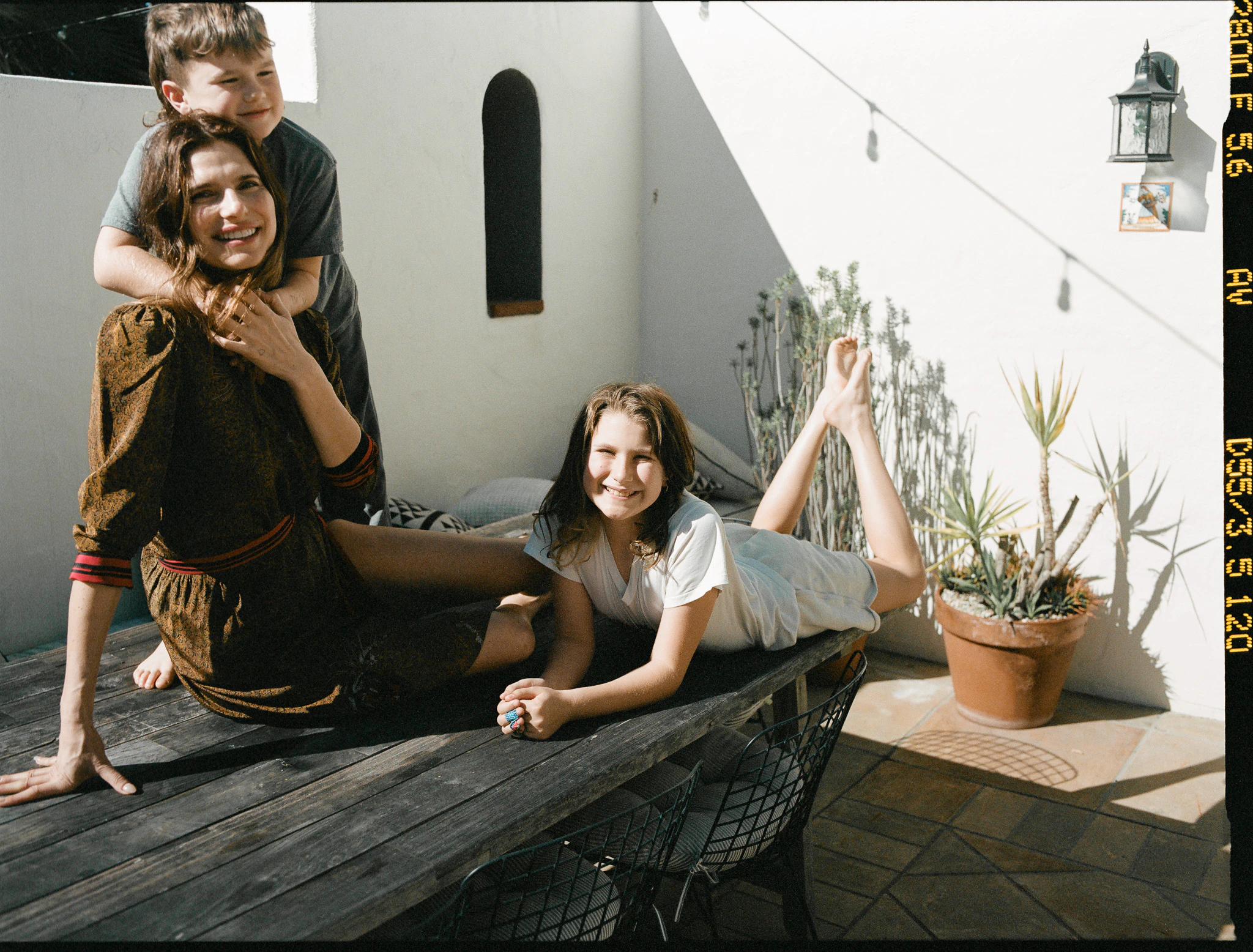
And my son is that guy. He’s a great cuddler. He can play in his room for an hour by himself. He’s that guy. Scott and I are always really aware that a lot of energy is being pulled toward our eldest daughter. So we make opportunities for that. For instance, we do solo days, where each kid gets just one parent, and we do a special thing, and it’s all about them.
“Me at 46 is totally different than me at 26 or 36”
My second feature that I wrote is called I Do… Until I Don’t, and it wrestles with the idea of marriage and forever union. I kind of never believed in marriage. I said someone’s going to have to drag me, put me over their shoulder, to get married—and Scott did that in the most romantic, gorgeous way. And I was like, thank God, because otherwise I would never.
We’ve been divorced for four years. Sometimes, someone will say, "We're not officially divorced yet, but it’s been in the works for a year…” and I’m like, yeah, but you’re not divorced. You don’t know what’s going to happen. And it’s a good thing, too, because you don’t even know how much learning—and it sounds so self-righteous—but so much good trouble and learning occurs in the years after you officially get divorced.
I think the beauty of being alone in the world at this time, after you’ve had a very meaningful grown-up marriage and a dissolution of a marriage and having two children, two home births, almost losing both of our children and having them come back to us… there’s all of these extraordinary things.

"Of course, I’m not the same. Me at 46 is totally different than me at 26 or 36. I see [divorce] as such an incredible door of access, and I get welcomed into the world in a different way."
There’s generosity and consideration of more types of people at this point of my life. Who do I want to convene and commune with? What are my values? What’s more important? Of course, I’m not the same. Me at 46 is totally different than me at 26 or 36. I see it as such an incredible door of access, and I’m getting welcomed into the world in a different way.
I also think self-care is more possible when you have a week off from parenting. And then I’m even more on my game when I’m a parent for a week. And obviously you’re always a parent. But the point is, you can have little respites from the tax of morning, noon, night, and middle of the night, of being a parent. Because if your kids are sleeping in the house, you could get woken up for 8,000 different things. Whether it's a monster under my bed, I’m sure of it, to my butt itches, to my pinky is definitely broken—I mean, just all of these things.
On the wickedly funny series The Chair Company
What’s so sexy and exciting [about The Chair Company] is that it’s wholly different than any comedy I’ve ever done. It’s dancing to a tune I’ve never heard before. As an artist, if it’s not my own project, I want to learn and I want to be part of something that jostles my defaults. Tim Robinson has that ability. He creates a musicality to the comedy that is different. What’s different from I Think You Should Leave or Detroiters is that it’s steeped in a reality that is almost Lynchian—absurd, surreal, artful, and fresh. For me, it’s a huge turn-on as a creator to be part of it.
The DP, Ashley Connors, created a visual palette that’s spooky and eerie but also relatable and fantastical. And Andy DeYoung brings a mood and tone that is so unique. I think it’s really special and I’m excited for season two.
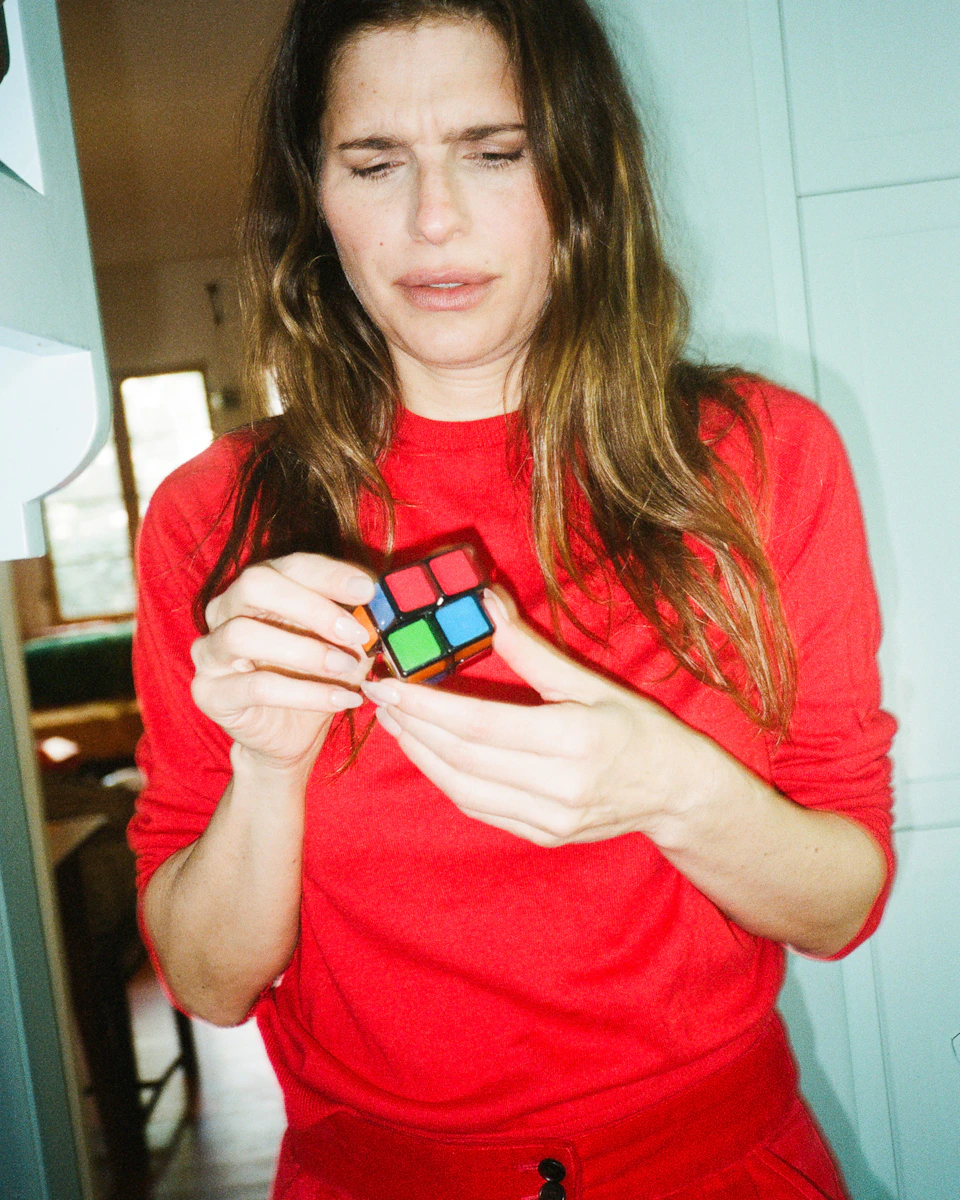
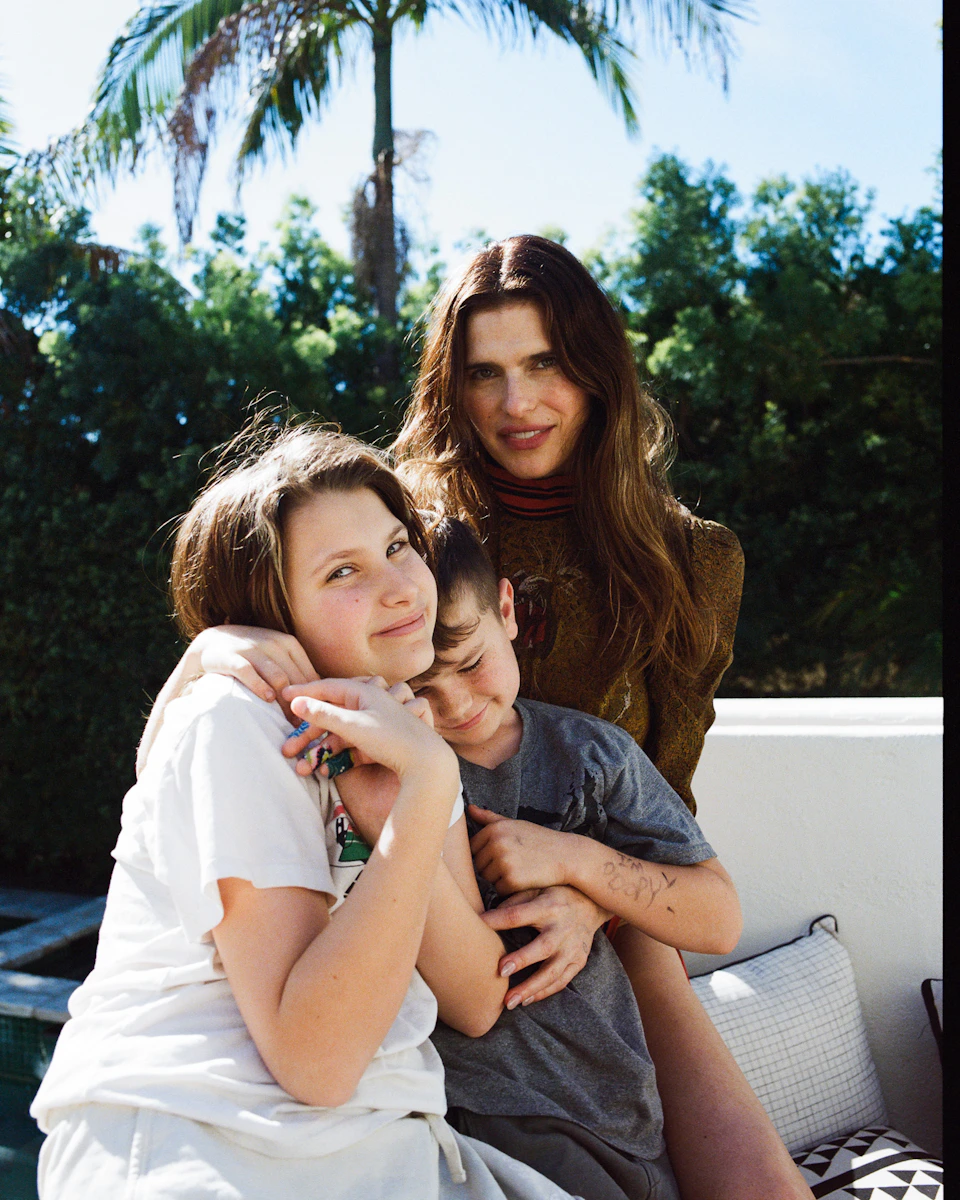
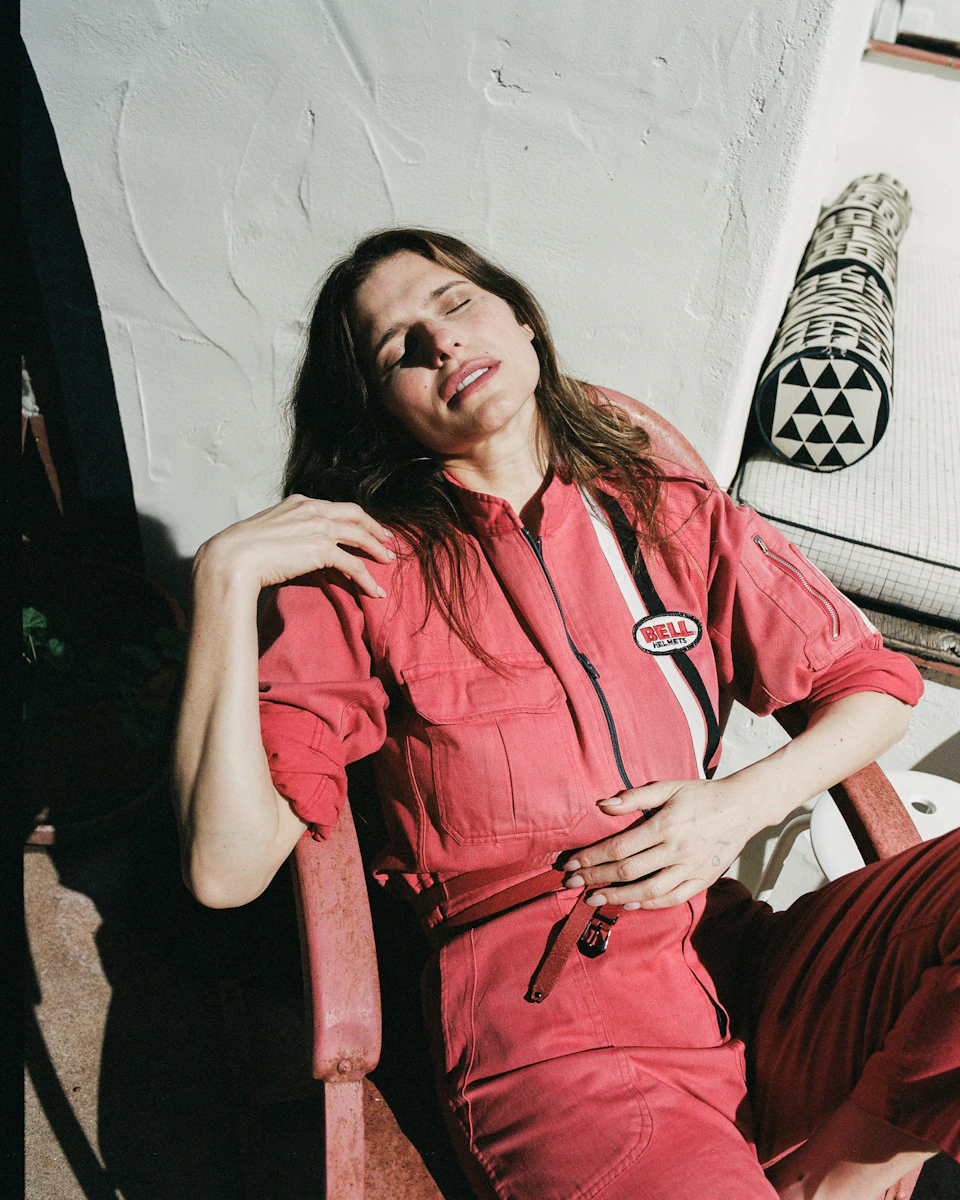
Sometimes when I sit with my daughter, I’ll say, I’m going to sit here and be present with you, but I’m not buying into your reality, and I’m not going to match your level of angst right now. Same when it comes to playing. There’s no mandate where they’re going to check the paperwork and see how many times you were Fun Mom this year. You didn’t meet your quota of Fun Mom playtime.
I let go of that a long time ago. I’m like, I am awesome, okay? I’m a great mom. I do the mom stuff. But sometimes they’re like, hey, can we play Legos, and I’m really tired. What I can do is offer something that feels possible, because we’re both people here. I want to spend time with you, for sure. Can we read a book or something, and then see how I feel? Because I’m exhausted. I just worked today.
And if they’re like, no, I really want to play Warrior Soldier Imagination Day, then I’m like, okay, here’s what we’re going to do. I’m going to play for five minutes, and then after five minutes we’ll see if I’m available for that or not. And I don’t feel bad about it, because I do all the other things. I love the phrase, “Let me think about that, and I’m going to get back to you.”
"I use all my parenting stuff when I’m directing because there are hundreds of people, lots of personalities. If I’m hosting a sleepover, for instance, and there are seven kids running around, I have no problem being like, hey, Elliot, that’s enough. Can you sit down? We don’t do that here."
Parenting + directing = sort of the same thing
I use all my parenting stuff when I’m directing because there are hundreds of people, lots of personalities. If I’m hosting a sleepover, for instance, and there are seven kids running around, I have no problem being like, hey, Elliot, that’s enough. Can you sit down? We don’t do that here.
That is the energy I take into directing—a sort of hostage-negotiation, crisis-management, nonviolent communication energy. I use that with parenting and with directing. If someone’s having a tantrum because the line producer is saying we can’t shoot here because it’s too expensive, I’m like, I see you and I hear you, and here’s what we’re going to do.
It’s really funny, because it’s such a good practice of staying direct, staying respectful, but staying really clear and boundaried. And people feel safe if they know what the boundary is. They might be annoyed, but they feel good knowing what it is.
WE! ALL! FUCK! UP!
The big learning curve is giving myself the allowance to fuck up. But it’s hard, because you think that one thing is going to cause generational trauma for her, she’s going to go to therapy for this. But guess what? She’s going to go to therapy for me anyway. Both of them are. We have to let go of that, and that’s okay.
And I’m hopeful for, and feeling joy about, the collective of minds and the galvanizing of people who seek kindness and justice. I see a wave of camaraderie in a direction that feels hopeful, and I’m really keen to exercise courage. I think that’s what I’m feeling about the future.
As a woman, I am keen to be in a relationship with someone, but I’m not mandating it. I see it as a part of my future. And I think being in a relationship with someone doesn’t have to be in the shape and mold of how we all grew up thinking this is what it looks like.
I’m really enjoying moving out of molds in that way—ande realizing that they were created by invisible systems you don’t actually have to adhere to.