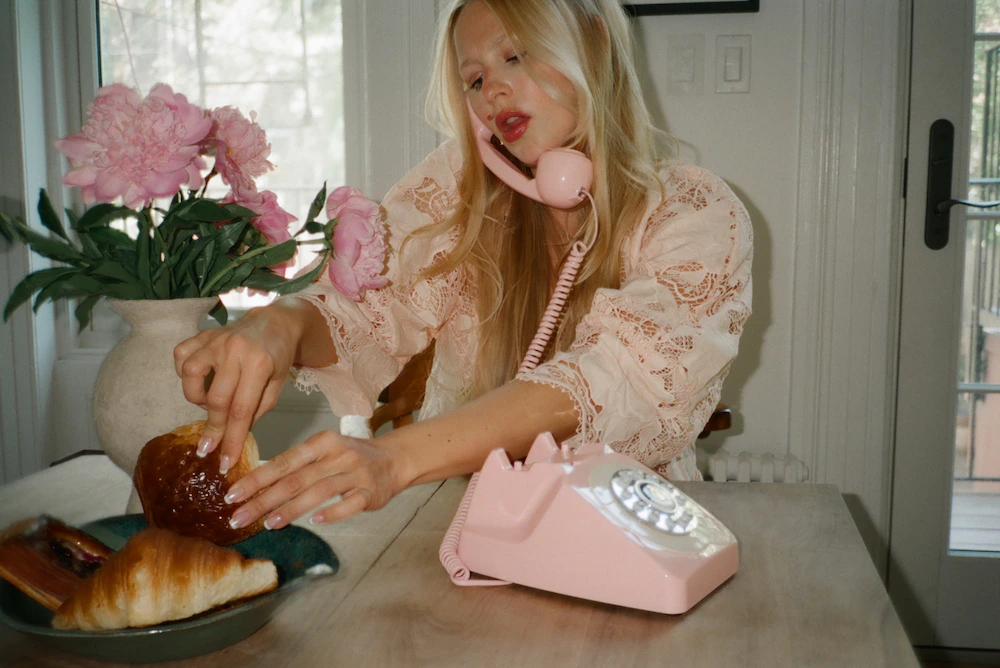
Getting Sticky with Coco Mellors
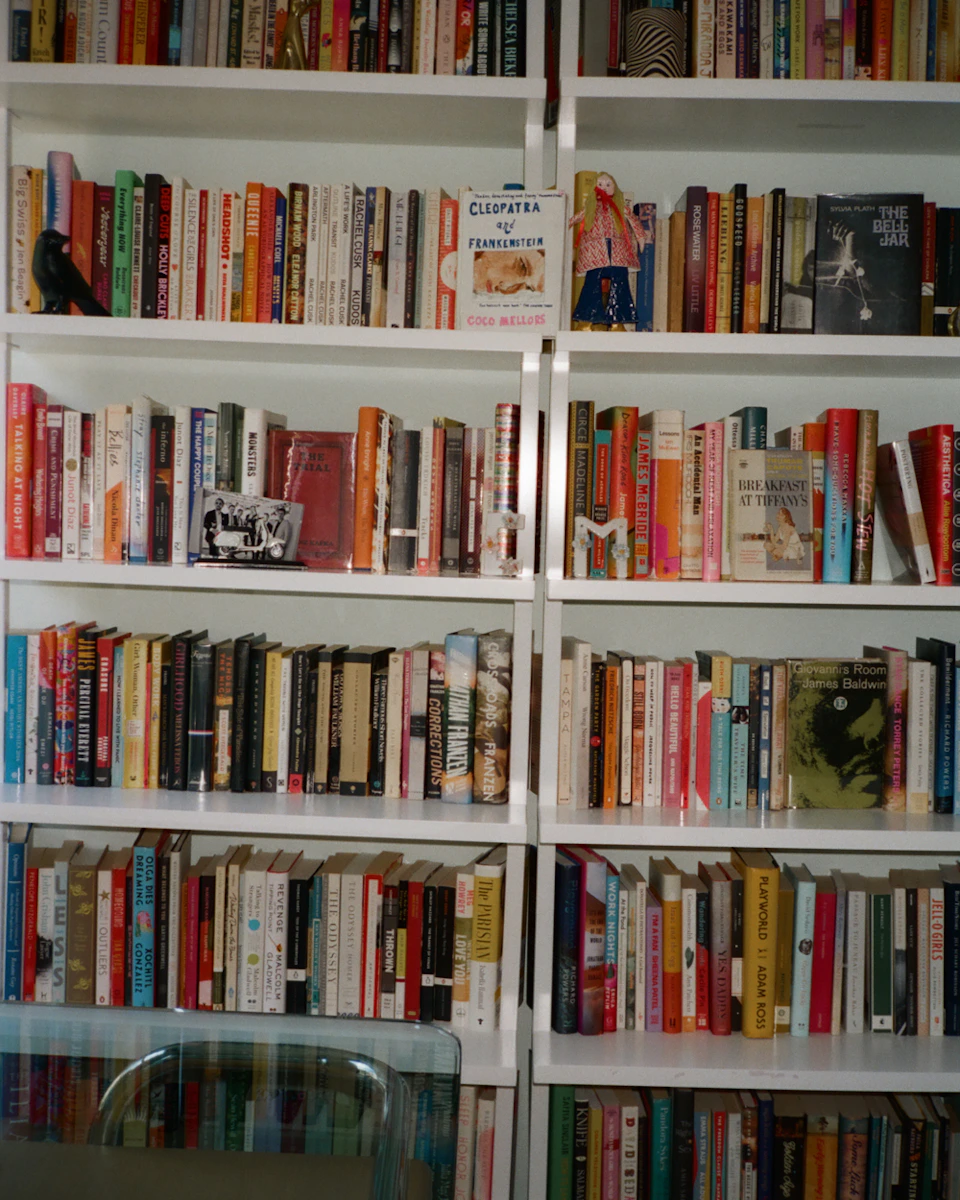
The most memorable moments in Coco Mellors’ novels tend to arrive with a jolt of recognition: a feeling you’ve had but could never articulate, a dynamic so familiar yet so difficult to name.
Born and raised in London before moving to New York at 15, Coco draws heavily from the cities, streets, social worlds, and parties she knows intimately. But it’s her ability to illuminate the murkier corners of human relationships that makes her prose so singular—and her books so hard to put down. Whether she’s writing about sisterhood, addiction, or the often futile acts of self-preservation born of grief, she has a way of capturing feelings that are far easier to bury than confront, and rendering them with heady precision.
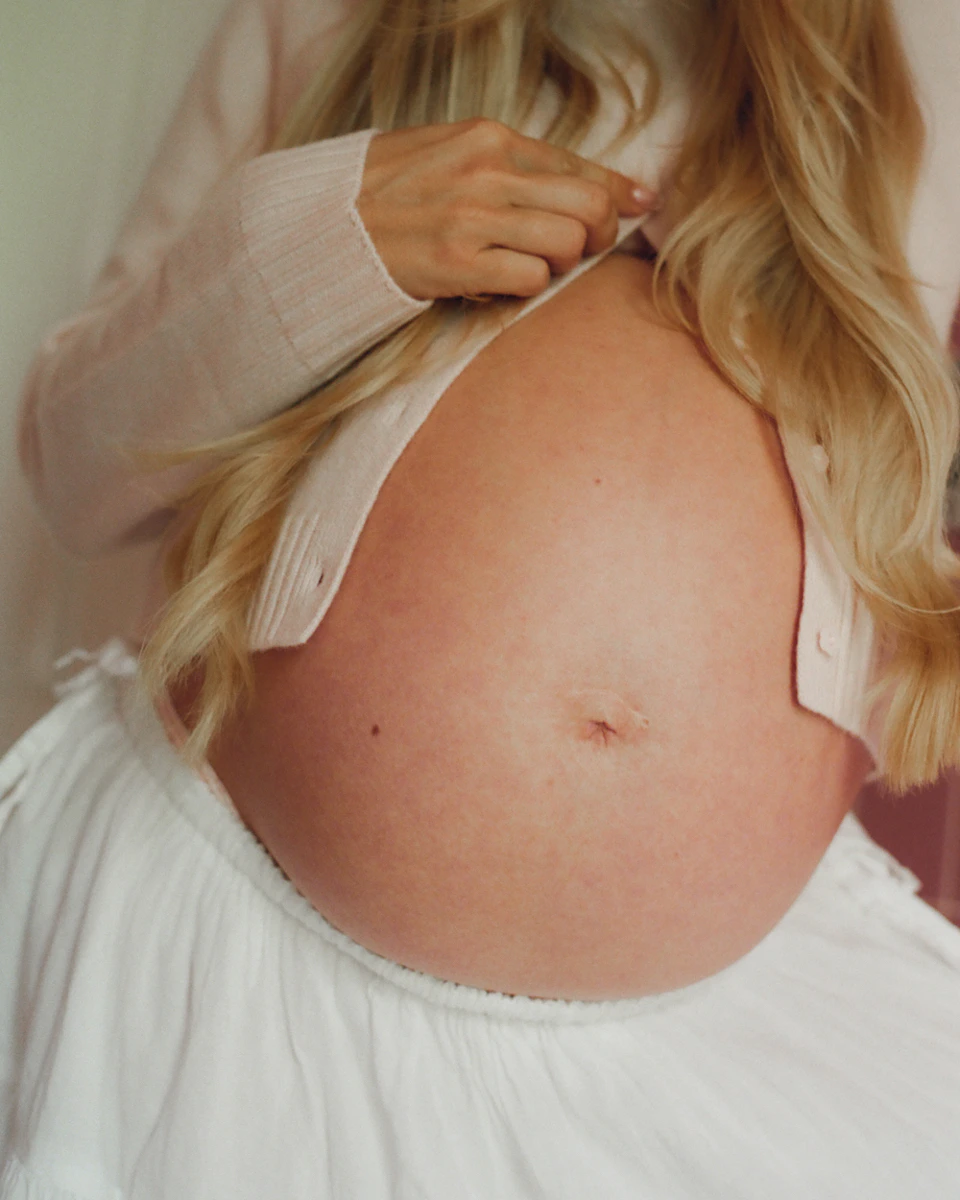
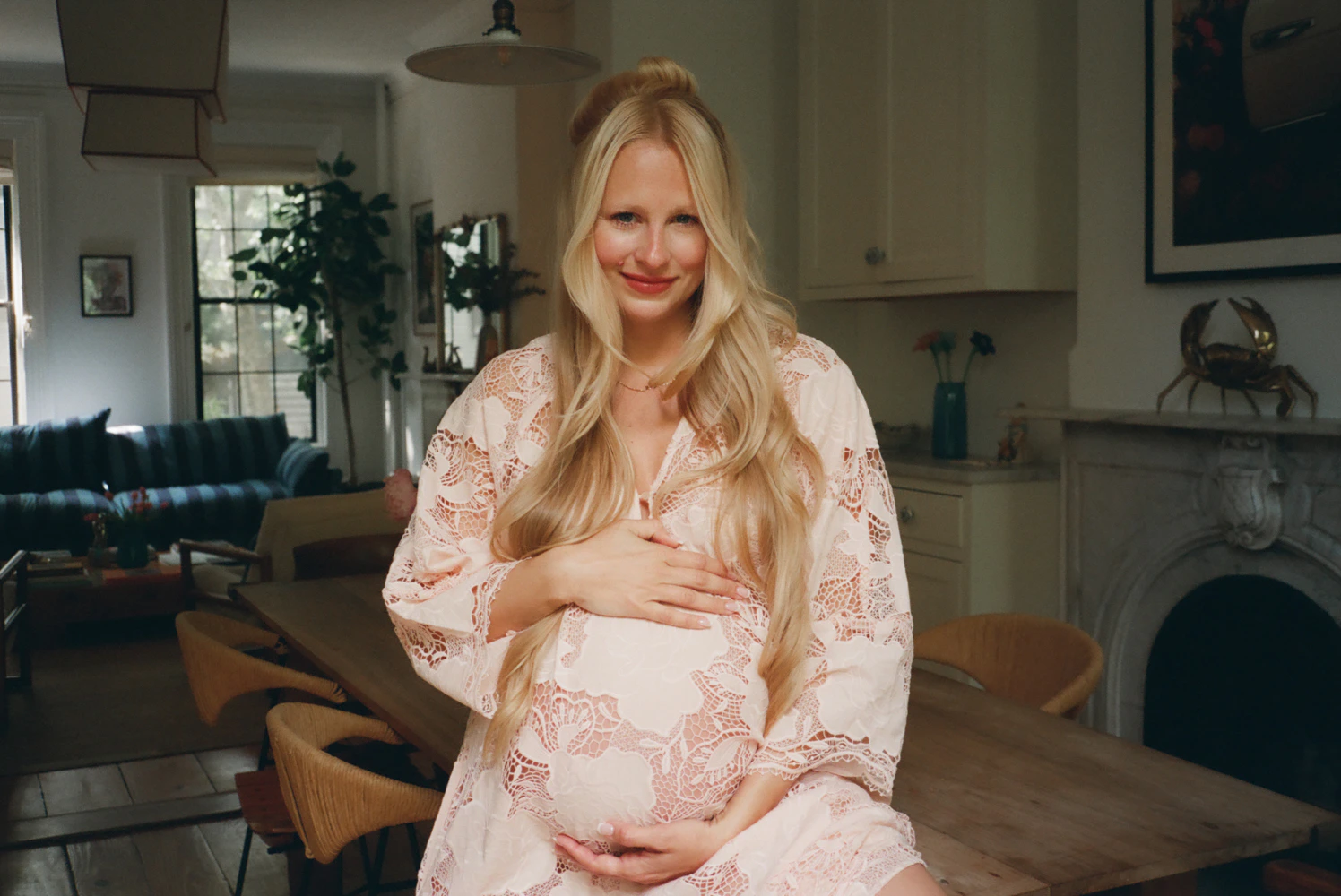
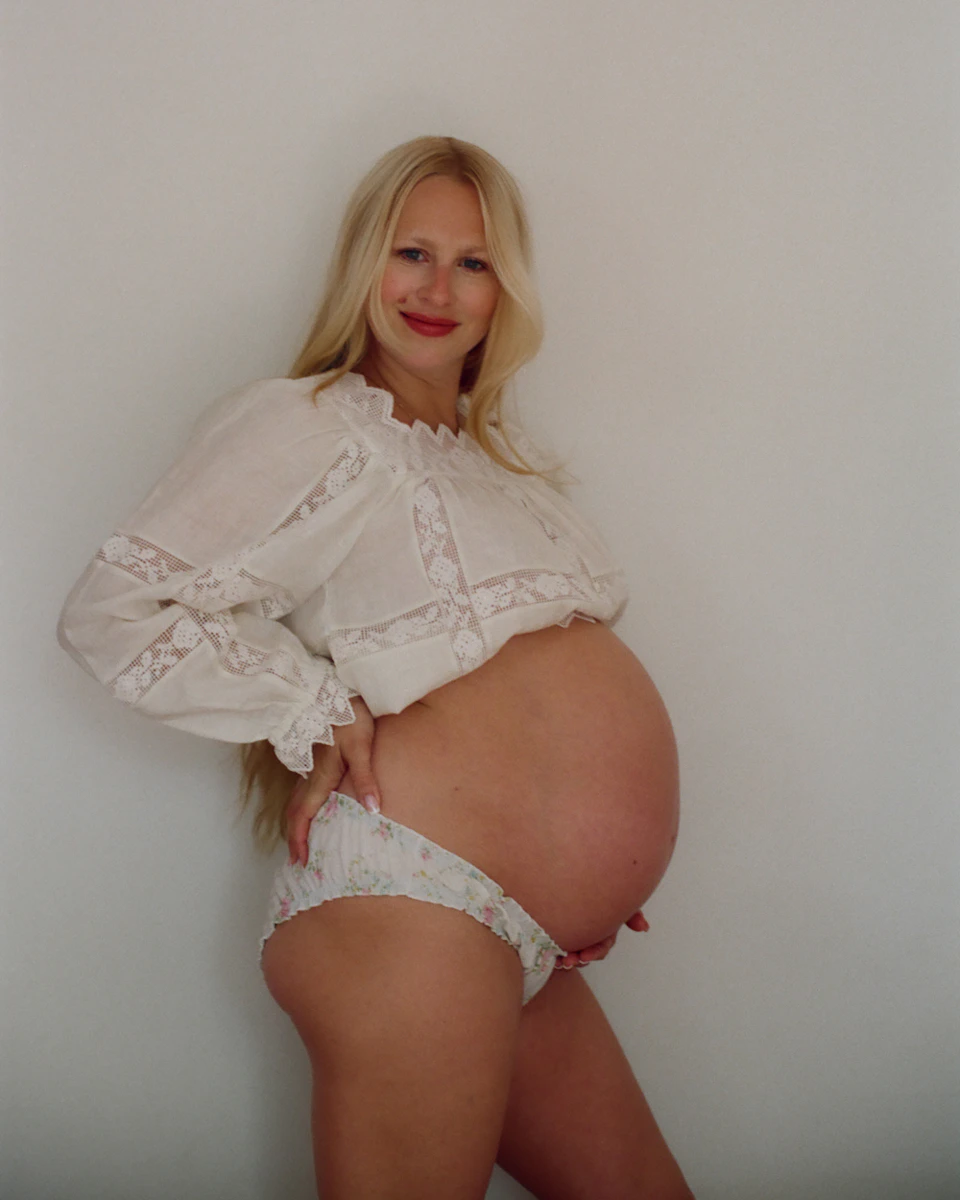
Now pregnant (33 weeks, as of the shoot/interview) and a mother to her two-and-a-half-year-old, Indigo, Coco is—blessedly—bringing that same sense of sparkling clarity to motherhood and all its bewildering uncertainties. It’s a theme she explores in her forthcoming third novel, due out in spring 2027, and one she discusses with brilliance and candor here.
Below, Coco talks about her experience with preeclampsia, fighting the fear that you can’t have it all, how getting pregnant after a miscarriage hits different, and the unexpected gifts of having a premature baby.
Words by Rachel Hodin. Photographs by Jen Steele.
“Getting pregnant? Piece of cake” - said no one ever
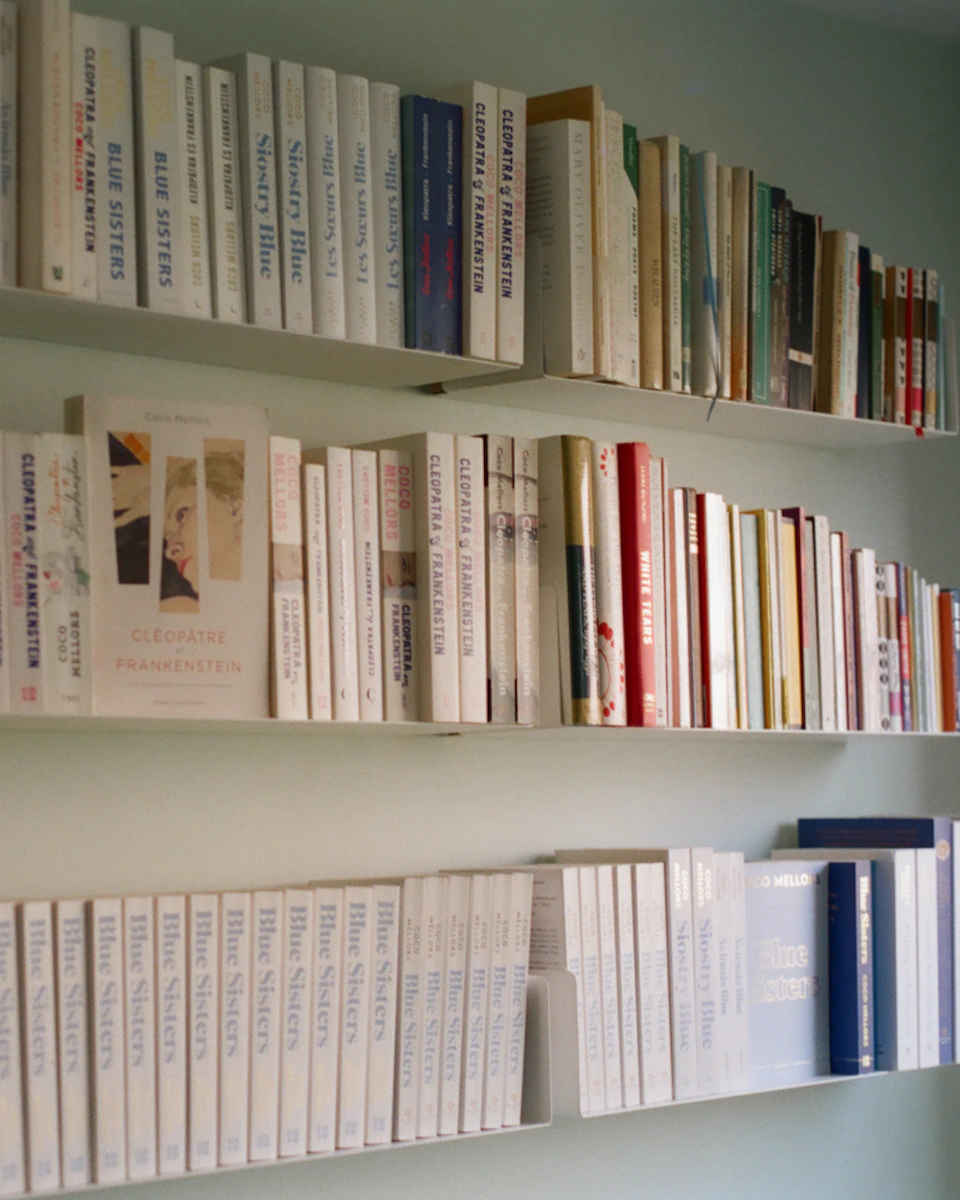
Getting pregnant definitely did not come easily to me. There were a lot of parallels between trying to publish my first novel and trying to have my first baby: they both took much longer and required facing so much more disappointment than I’d imagined. My first book, Cleopatra and Frankenstein, came out in February 2022, and I thought we could start trying after the book tour. If I got pregnant, great; if I didn't, we'd be okay. I was not prepared for how much the process can take over your inner life. That two-week wait every month, wondering, am I pregnant? Because early pregnancy and PMS have the exact same symptoms, it’s impossible to tell what’s going on and you feel insane all the time. We tried for six or seven months and I wasn't getting pregnant.
I went to Paris that July and I wanted to stay longer—it was such a sultry, fun time, with a bunch of writers I knew in town—but I was ovulating in three days. At that point, I'd been trying for over half a year, so to miss even one cycle felt unbearable. I remember desperately wanting to stay, but also go home to keep trying to get pregnant, like the intensity of my desire for freedom and a child were butting heads. I felt like there was this invisible electric fence around me that revolved around ovulation.
My whole third book was born out of that invisible struggle of trying to become pregnant, where nothing was happening on the surface, but my inner life had completely changed.
Moratorium on doctors who shame, please!
When I was trying to get pregnant, I had my fertility checked, which was so intense. I wish I’d done more research and gone to a proper doctor, but I went to a random fertility clinic in a mall in Century City that I’d seen an ad for on Instagram. The results came back, and my numbers were not good. They told me on a phone call in a way that was very shaming: the language they kept using was that I had “underperformed,” that they were “disappointing results,” that the numbers were what you’d expect for someone a decade plus older. It was unbearable. I completely lost faith in my body. I'm in recovery for addiction and alcoholism, so my fear was that I’d done something to myself in my twenties while I was using that had prematurely aged me—which I don't think is even scientifically possible—and now I was paying the price and wouldn't be able to have a child.
Then a week or two after that, I got pregnant. It was such a whiplash emotionally. The clinic hadn't told me I couldn't conceive, but they’d told me it’d be hard. When I became pregnant, I went from this low low to this incredible high, which was amazing but intense. There was a real feeling of vindication too.
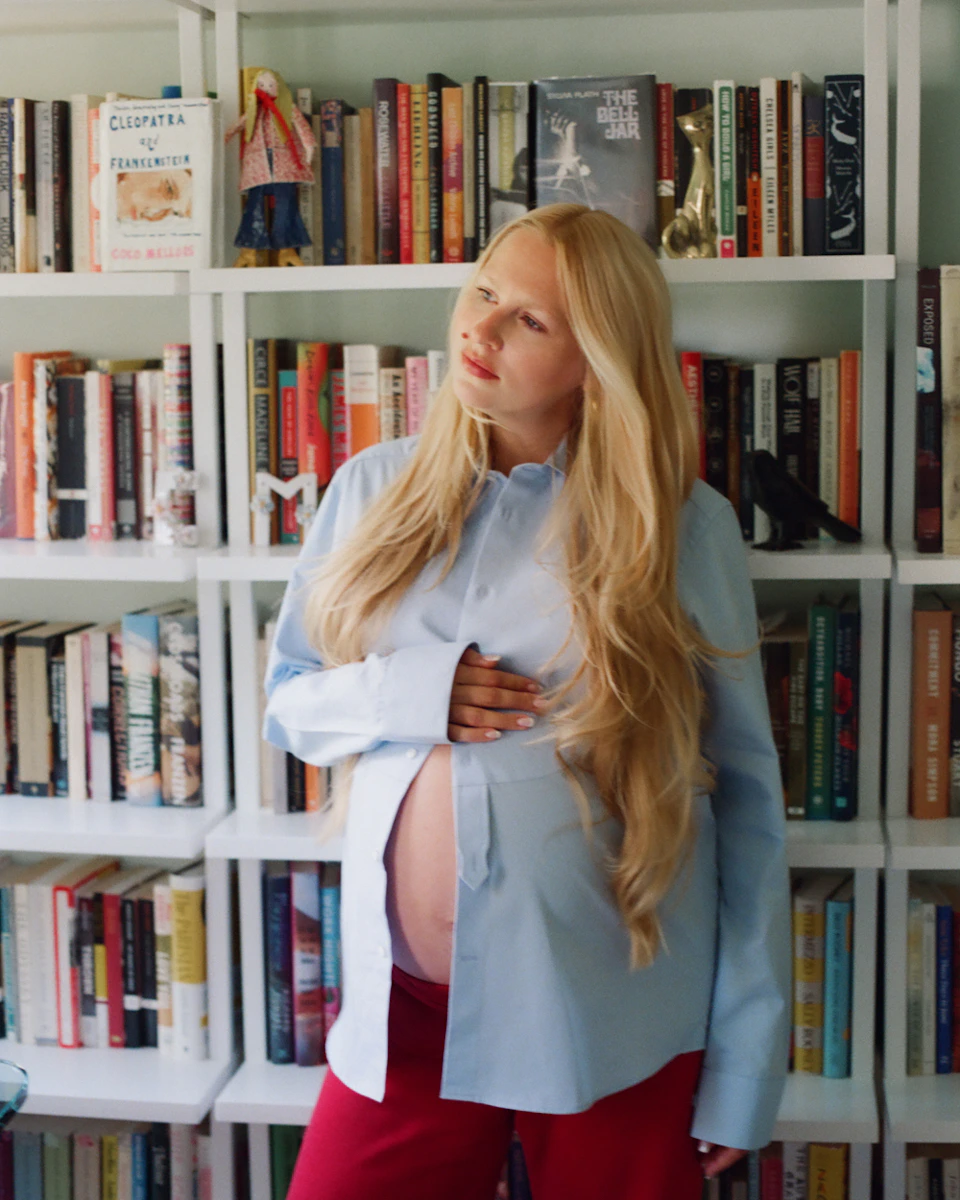
"I felt like there was this invisible electric fence around me that revolved around ovulation."
“I just tried to feel joy in my body again”
When I was between about six and seven weeks, I started spotting and I just knew that the pregnancy wasn’t going to last. I had initially felt really pregnant and then I felt the symptoms start to drain away. I went and got a scan and there was no heartbeat, and then I started bleeding that night. In retrospect, I feel lucky that I miscarried naturally so early in the pregnancy. It was like a heavy period, so physically not very arduous. Emotionally, it was devastating. Losing a pregnancy is already incredibly sad, but on top of that, it felt like it confirmed what the doctors had told me, that my body didn't work the way it was meant to. In the months after that, I was falling down rabbit holes on Reddit and mom chats, looking for stories that were similar to mine. I was obsessed, but also desperate to think about anything else.
After the miscarriage, my husband, Henry, was like, "Do something nice for yourself." So I went back to Paris and smoked a bunch of cigarettes—the last thing you should do when trying to conceive. I stayed out late; danced until 3:00AM; bought myself a really expensive, tiny patent leather halter that I had no use for. I just tried to feel joy in my body again, to find that sense of freedom that I'd really lost.
Two weeks after I miscarried, I sold my second book, Blue Sisters. The whole experience was such a roller coaster of emotions: from the doctor's visit, to getting pregnant, losing the pregnancy, and then selling the book. After that, I think it took another six months to get pregnant again. From start to finish, it took us over a year to have Indy.
The fear of not being worthy of having it all…
It took me months to sell my first book and I sold it for very little money. I was completely thrilled, but it wasn’t life-changing financially. Blue Sisters was so different: there was a big bidding war and I sold it for a sum of money that allowed me to quit my job as a copywriter. It was also a two-book deal; for the first time, I had security as a novelist. Basically, my life materially changed overnight. It was a dream come true, but I’d also just miscarried. I felt like maybe I was going to get the career I’d always hoped for, but not the family I’d always wanted.
Being a mother and a writer are probably the two things in my life I’ve felt clearest about from an early age. And I always felt like this very clear desire for both was dangerous because it set myself up for extreme disappointment or failure. When I was in grad school working on my novel, I remember feeling like I just wanted it too much, and as a result, I wouldn't get it—I don't know where that stemmed from. I felt similar when I tried to get pregnant the first time.
Of course women can have both or neither or different successes at different times, but wanting to be a writer and mother always felt connected to me; I’d always wondered if I could have both and feared that I wouldn’t.
I think for women in general, there’s a fear around owning our own desires. When I was trying to get pregnant, my career became much more intense. I started traveling for work in a way I’d never done before, and when I miscarried, I remember people asking me, “Were you really stressed?” “Were you doing stuff for the book?” It was like they wanted to find a correlation between working hard and miscarriage—which made me so angry. The idea that somehow our emotional life is that powerful is absurd. It felt like a punishing attitude towards being ambitious and wanting a child at the same time. Being unapologetic in what we want can feel inherently dangerous, and I think I’d internalized that.
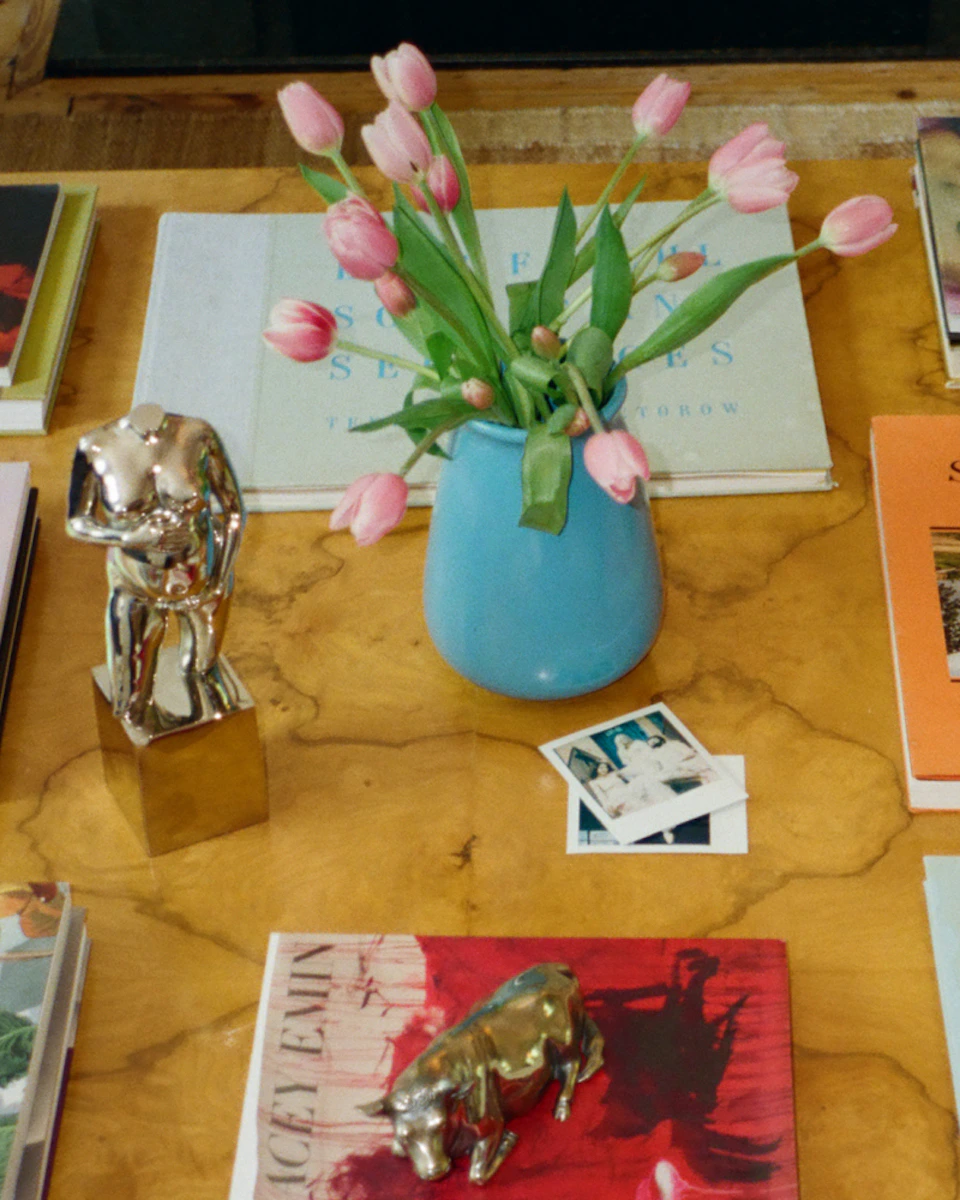
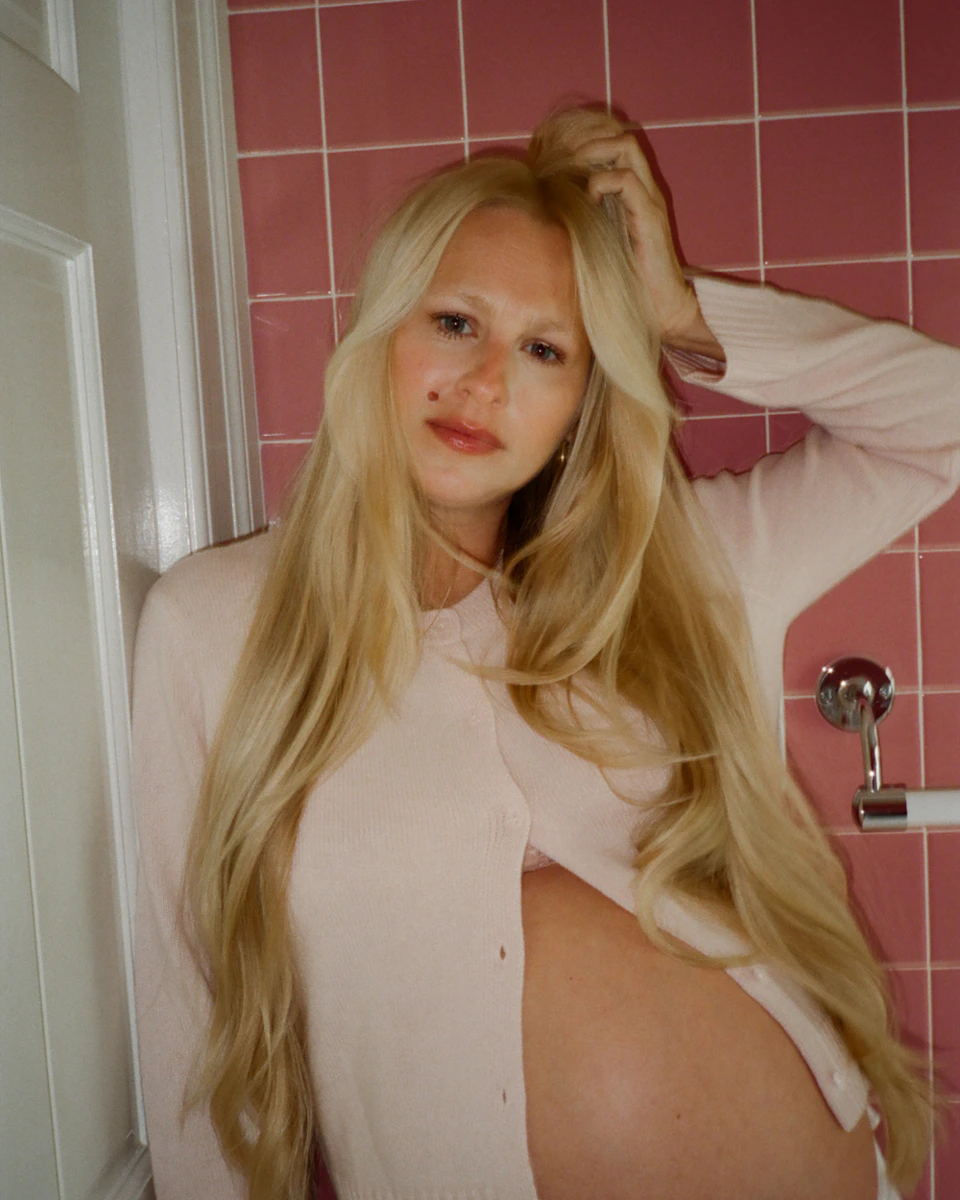
"Being a mother and a writer are probably the two things in my life I’ve felt clearest about from an early age."
Why getting pregnant after a miscarriage hits different
Getting pregnant again after a miscarriage is different. I felt so hopeful and so worried; elated and so excited, but so frightened of losing another pregnancy. During the first trimester, I felt very isolated in LA. I was in this limbo period, waiting for edits back on Blue Sisters. Every day, I remember feeling so relieved to be nauseous; feeling like absolute shit and so scared the symptoms would leave.
“I was going to have a baby in two months, but now it’s in 12 hours…”
But Indy stuck and he grew and grew. My second trimester was kind of a golden period in my life. I did book tours during that time, which was kind of crazy, but wonderful. I felt healthy, more confident in the pregnancy, and I'd never felt so beautiful.
Two weeks into my third trimester, I developed this stomachache and headache that wouldn't go away. I was completely blindsided. I went to the hospital and it turned out I had something called HELLP syndrome, a severe form of preeclampsia. Within about six hours of finding out, I had to have an emergency C-section.
I remember thinking, Okay, I thought I was going to have a baby in 2 months, but now it's 12 hours. They told my husband Henry he could go home to pack a bag, and then about 30 minutes after he left, the doctors came in and said, "We got your blood test back and we have to take you in for a C-section right now.” Basically, I had less than an hour before going into full liver failure. So I called Henry and was like, "The baby's actually coming now." He was so frightened, got in an Uber, and arrived just in time, as Indy was being taken out of me.
It was terrifying, unexpected, and traumatic in many ways, but it also felt amazingly taken care of. For me, one of the hardest things around birth was making decisions. I was always wondering if I was making the wrong decision, and in that moment, every decision was taken away from me. There was nothing for me to do but surrender to what was happening—and there was a kind of peace in that.
The NICU = a blessing?
So Indy was born. He was perfect, but because he was premature he had to spend two months in the NICU, which was a completely different entry into parenthood than I expected. Initially, if I could, I would’ve changed everything about my birth experience; who would choose what I went through over the unmedicated midwife hospital birth, surrounded by candles while playing, like, Florence + The Machine that I had planned? But I really tried to focus on the wonderful, unexpected things we gained from that time in the NICU. Looking back now, I wouldn't change anything. I love my birth story and can see how it made Indy who he is.
In the NICU, there are different nurses almost every day doing this incredibly intimate, amazingly lifesaving work for your child. The nights I was dragging myself apart from him to go home and pump while looking at pictures of him on my phone were probably the hardest. I’d bring the milk to the hospital the next day and they’d feed him. The nurses were so caring, patient, and loving, and I feel like because Indy had that experience of being loved by so many different people so early on, and not just his parents, he’s grown up to be very open to others. He never really had stranger danger—almost to an alarming degree. He’s very friendly and always running up to people.
He was on so many wires and the feeding tube that I couldn’t lift him out of the incubator without the help of a nurse. To not really have access to him directly without the conduit of a healthcare professional was such a strange way to become a parent.
At the time, the main thing we could do as his parents was skin-to-skin contact. So we were in the hospital for 12 hours every day, taking turns having him lie on our chests. I read him my first two books, Cleopatra and Frankenstein and Blue Sisters. It was such an amazing, quiet way to be with a child. The constant beeping of the monitors definitely did a number on our nervous systems, but I look back on that time as very beautiful. No one could visit; it was winter and snowing outside. We spent Thanksgiving, Christmas, New Year's, and Henry’s birthday in the hospital. Everything quieted and kind of receded. All that mattered was that every day Indy was growing.
Another gift that I could’ve never foreseen at the time is how sleeping in the incubator and in the NICU affected his sleep patterns. When he came home, he could sleep through any noise and light. Something that I felt l’d been robbed of—spending time at home with a newborn—ended up being a gift because we had an easy, sleeping baby right from the beginning.

"The NICU was terrifying, unexpected, and traumatic in many ways, but it also felt amazingly taken care of."
When postpartum anxiety is actually a very reasonable reaction…
Every day that I went to the NICU I’d feel reassured by looking at his numbers: his oxygen level, breathing, and heart rate. Suddenly, we get home and there are no numbers, just our baby. It was such a strange adjustment. I was constantly checking him, terrified he would stop breathing. At the time it honestly felt like an absolutely normal level of anxiety given what we had gone through, but in hindsight I now know that I probably developed severe postpartum anxiety. If I found myself back in that place, I’d probably go on medication and do more.
About a month after he got home, he had what’s called a BRUE—a brief resolved unexplained episode—and he stopped breathing for almost a minute. It was awful, just the worst minute of my life. He turned blue and we didn't know what was happening. We had to go back to the hospital, and he spent another two days and one night in the NICU for monitoring.
The name literally says it all: “unexplained.” No one knows why it happens. It doesn’t have any lasting damage, and the baby is basically unaware of it, but it’s obviously terrifying for the parents. After that, I felt like I had fallen down a hole that had opened in the fabric of the universe. I remember thinking, What you're most afraid of isn’t in your head—and you cannot stop worrying for even one second. When we left the NICU that second time, I didn’t know how I could move forward knowing this could happen again.
That was probably the darkest moment. It felt like I had mountains of worry in front of me that I couldn’t see past. And I couldn't see any way in which I could feel less afraid. I continued to constantly check his breathing. I couldn't buy myself even 30 seconds of peace of mind: by the time I got to the door to leave his room, I’d have to go back and check again.
The NICU recommends against monitors at home, saying it causes more anxiety for parents rather than less. But I got him a breathing band that connected to the Nanit camera, and that was a sort of magic pill for me. I put my faith in this band and slowly, over the course of several months, I stopped checking his breathing as regularly. As he grew, he became this big roly poly, gorgeous, chunky baby and that made a huge difference. Slowly, the anxiety waned. Then spring and summer came, the cherry blossoms came out, and I remember Indigo had these beautiful huge pink cheeks that just made me so happy every day. And then my book, Blue Sisters, came out in May.
How her writing process changed after having a child
Everyone said I’d have to get so much more organized after becoming a mother, which made me nervous.
Procrastinating is actually a huge part of the process for me. What shifted is that I was no longer copywriting so I was able to spend most of 2025 just working on this novel and being with Indy, which was amazing.
The process of writing this book was different from all the others and by far my favorite. I couldn’t write chronologically and was much more scattered than before having Indigo. I wrote a bit from the end, a bit from the beginning, a bit from the middle—scattered scenes, almost jazz style, that slowly started to accrue into a cohesive narrative. My editors are reading it now, but for almost two years, I worked on it completely alone, because it was kind of impossible to give anyone. Which is the polar opposite of how I wrote my first two books, which was always in a workshop. Writing it this way really worked for me because I needed to go somewhere very private in myself to be as honest as I wanted to about this subject. I needed to go to a place of real vulnerability where I wasn’t thinking about anyone else reading it.

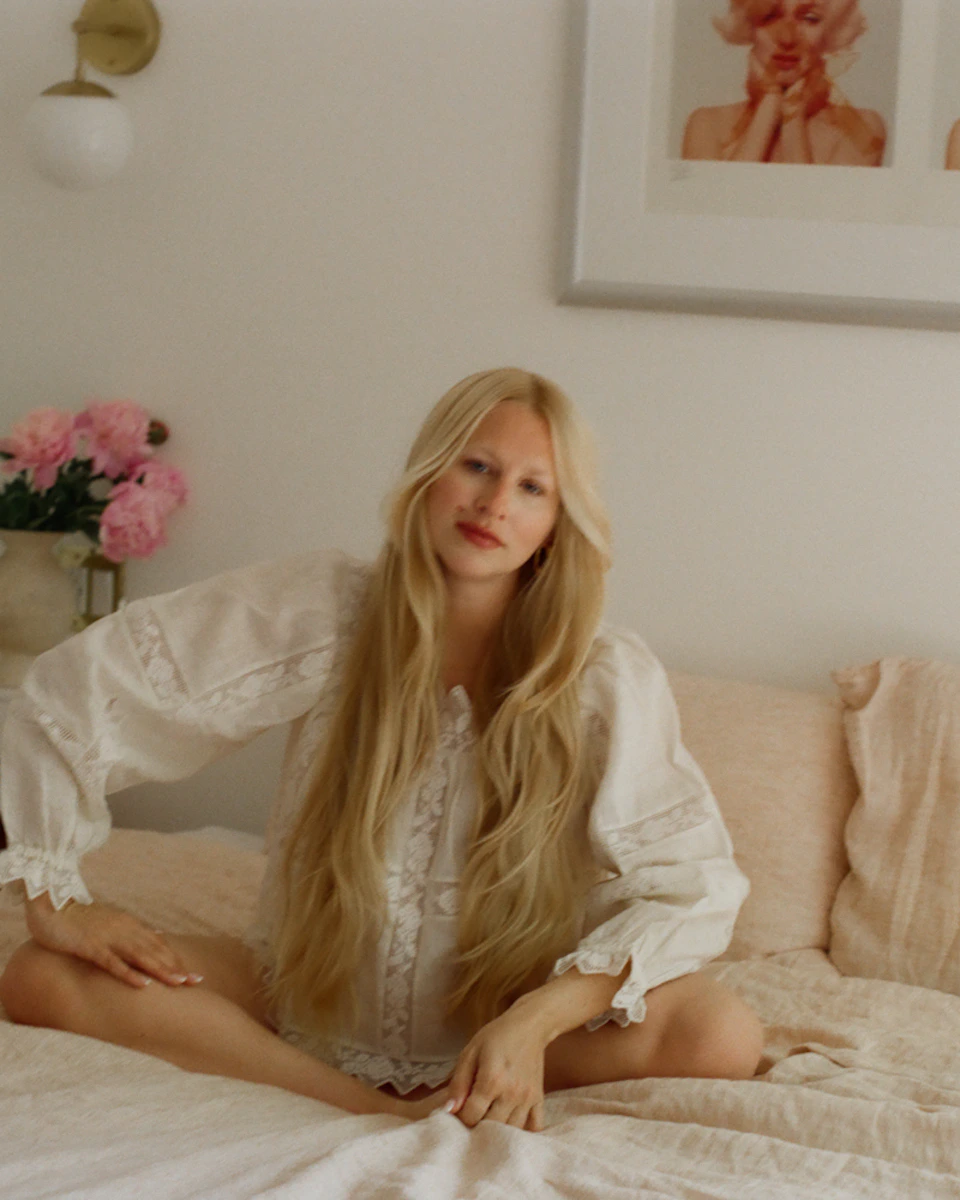
And about that third book…
It comes out in April or May of next year, so my daughter will be almost a year old. The tagline is, “I wanted to be a mother and I wanted to be free.” It’s about a woman who’s married, has been trying to have a child, and has experienced multiple pregnancy losses. She’s a film director, her best friend is a female actor, and she’s gone to Paris, where her first film is premiering. She's kind of living the best and worst of times in her mid-thirties—her career is taking off while her desire to become a mother is feeling further and further out of reach. While she's there, she meets up with her ex-girlfriend and it becomes a sort of love triangle story. She reaches a crossroads wondering if she'll return to America, to her marriage, and keep trying to get pregnant or if she’ll perhaps never go back, stay in Paris, keep traveling around Europe, keep trying to be an artist, and choose a life of total freedom and no domesticity. It's set in the hottest summer in Paris' history, so there’s this feeling of reaching a boiling point.