My Estranged Twin Became a Mom—and Everything Changed
Words by Jasmine Arielle Ting
When people talk about twins, the discourse is always around how to tell them apart. Mary-Kate had a wider, square-shaped jawline. Ashley’s jade eyes were bigger and rounder. Tamera had a cute beauty mark under her eye while Tia didn’t. Dylan had a fuller face, while Cole had sharper features. Someone inhabited the role of the rebel, the other was more angelic. One twin was loud and athletic, the other soft-spoken and nerdy.
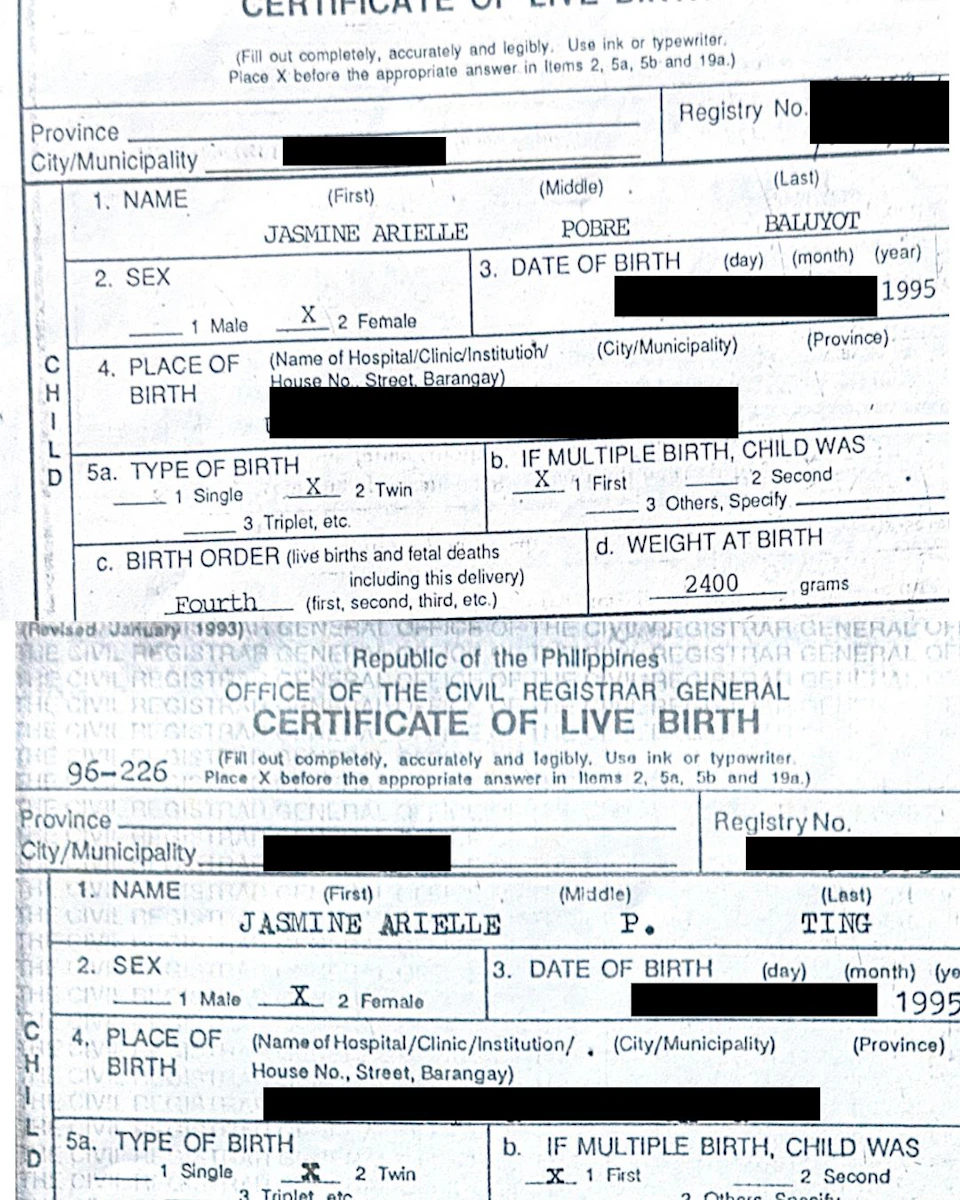
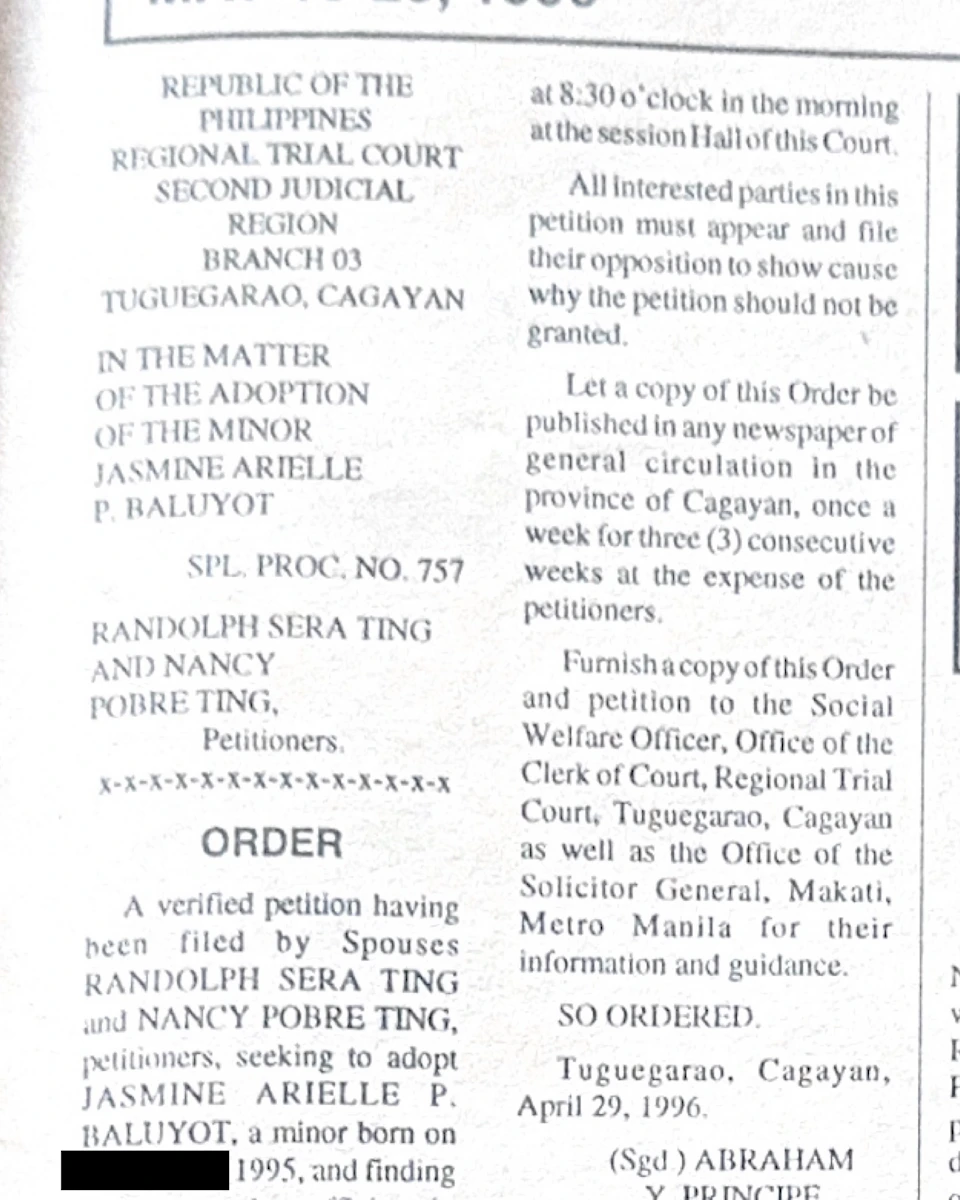
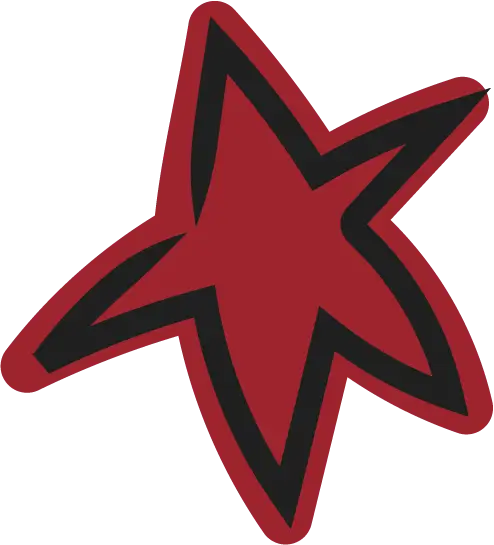
As an identical twin who grew up watching these celebrity twins on T.V., I often found myself trying to play a similar game. My twin sister, Pamela, used to have longer hair. I always wore mine short. I saw her as the slim prettier one, and myself as chubby and awkward. She excelled at Math, while I preferred English. She was more of a leader, and I was a bit of a follower. She was a performer, while I tended to work best behind-the-scenes. And perhaps the most significant distinction of all: She was raised by our biological parents, and I was given up for adoption.
Before we were even born, I was already promised to my biological mother’s sister (my aunt) and her husband—the people whom I lovingly refer to as my parents today. I became the eldest daughter, with a sister and two younger brothers, while Pam was the youngest of four girls. Pam had always known and tried to tell me, but I didn’t know for sure until I was around seven years old, when my parents told me.

"Pam was more of a leader, and I was a bit of a follower. She was a performer, while I tended to work best behind-the-scenes. And perhaps the most significant distinction of all: She was raised by our biological parents, and I was given up for adoption."
Despite the unusual circumstances, we grew up exceptionally close—as close as twin-cousins could be. Pam was my best friend; we hung out practically everyday. And on days that we didn’t, we’d look for an excuse to be together. We went to the same schools since kindergarten; did the same extracurricular activities; had the same core group of best friends from high school; and even were roommates in colleges. The word inseparable comes to mind.
But this also meant that comparison and competition were unavoidable. She became the standard by which I was measured. She was raised by a headstrong, sure-of-herself, and typically-uncompromising seasoned vet of a mother who expected her youngest to surpass the achievements of her older sisters. In this lens, Pam had no choice but to be perfection.
Meanwhile, my mother, meek—soft-spoken and comparatively more gentle in her parenting— didn’t push me to rise to the top. She fostered my love of writing even though it wasn’t a typical “successful” field that Asian parents wanted their children to follow. Still, my mom nudged me to strive to close the gap in grades and in general ability between myself and Pam. And if I was better at something, it was difficult for her to hide her joy and satisfaction, though she tried. (My dad was more obvious.) As for me, I was ambivalent about this twisted sense of victory.
"Comparison and competition were unavoidable. My twin became the standard by which I was measured."

It seemed inevitable that one of us would feel the need to set themself apart from the other. I happened to be the one who developed a slight inferiority complex. Out of school, with no set path to follow, I didn’t want my life’s progress to be measured against hers. And I’d be lying if I said none of this contributed to moving abroad.
Beyond pursuing a career in journalism in New York, I wanted so badly to become my own person. (This also physically manifested itself in the form of tattoos.) The city, I thought, was the ideal place to get lost in and find myself in the process. But in my pursuit of individuality, I neglected my long-distance relationships and lost connection with Pam, the only person who shares essentially 100 percent of my DNA.
Physical distance is certainly a factor, with her based in our hometown in the Philippines and myself in New York. But even before we had over 8,500 miles between us, I had already begun subconsciously distancing myself. That distance only grew more expansive once the 12-hour (or 13-hour, depending on Daylight Saving Time) time difference set in.
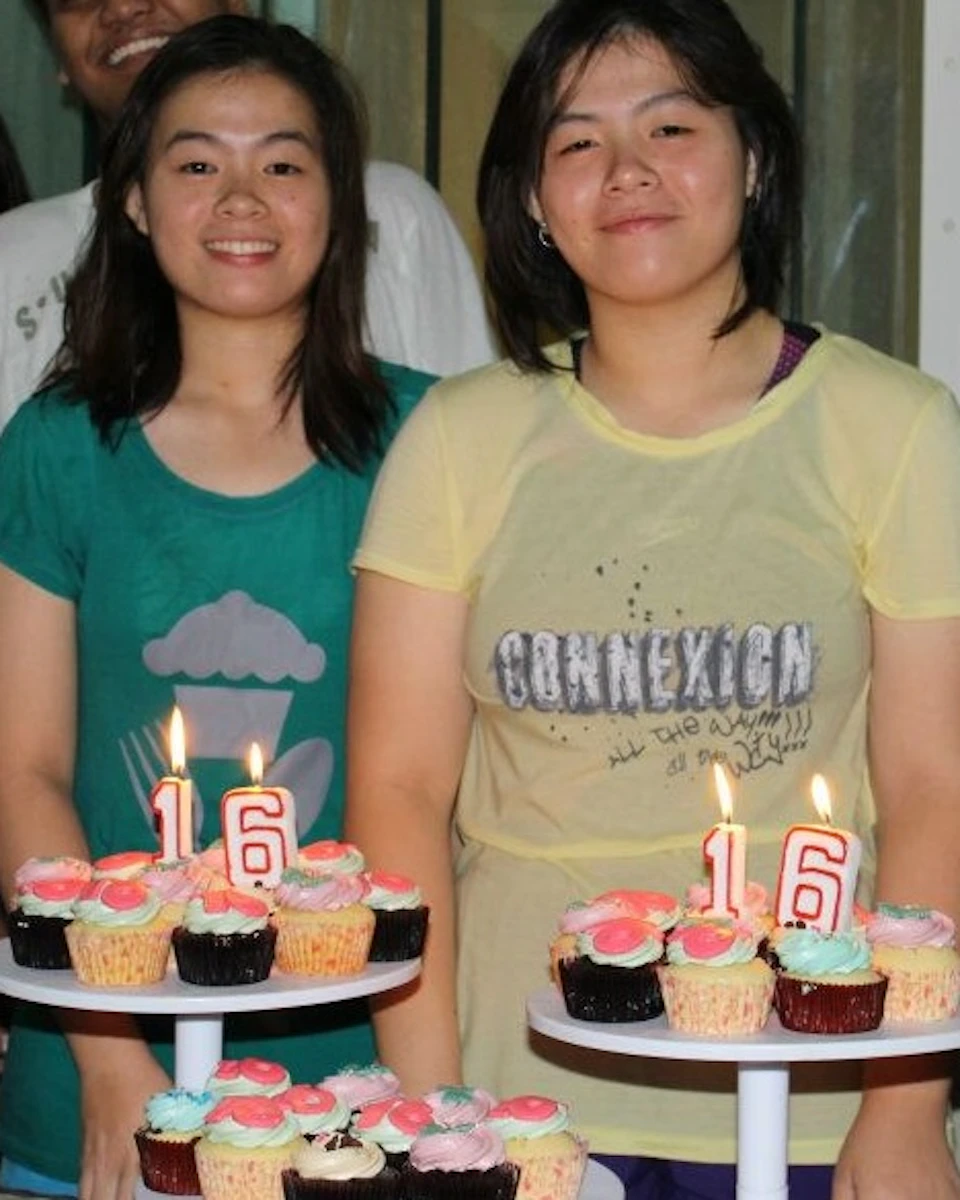
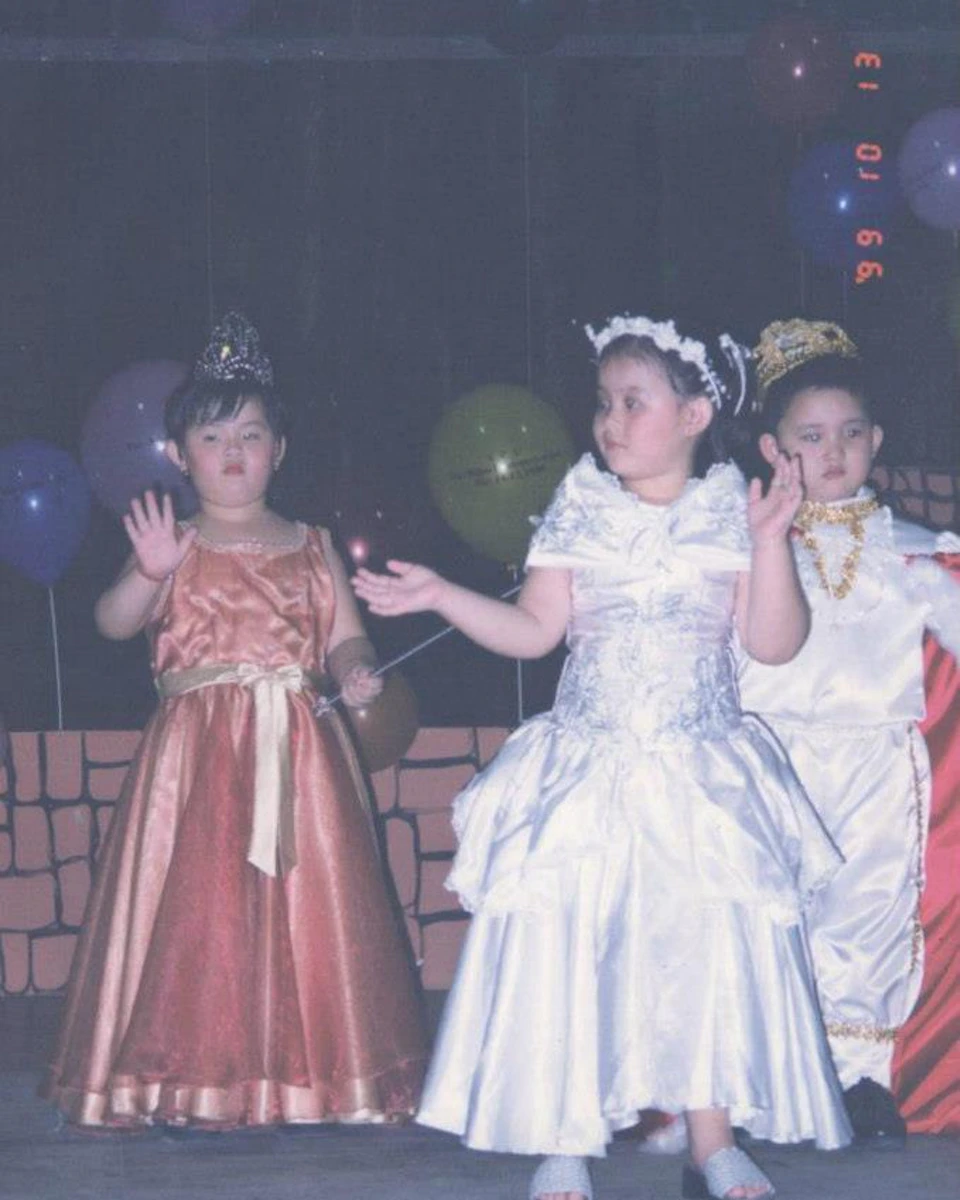
Everything changed when she became a mother. I had the urge to try and rekindle the warmth and intimacy that was once palpable in our relationship. Pam answered the call. Watching my genetically-identical other cross into the major life threshold of motherhood has been a surreal experience. It has also, somehow, brought us back together.
We recently turned 30 years old. While the change didn’t feel pronounced on the day itself, entering a new decade has caused (aside from new, unexplainable body aches and pains) an internal shift. I’ve grown into my own, more secure in who I am and in my career. And seeing Pam become a mother has made me realize how much time I’ve allowed to pass without being there for her, without getting to know the person that she’s grown into over the last decade.
I’ve been more proactive about reaching out, checking in, and catching up on all the things we’d missed. And she’s been an open book, telling me about the emotional and mental hurdles she faced during pregnancy; being candid about her isolating experiences postpartum; and sharing the joys (and melancholy) of seeing her baby turning into a little man. We’ve also spoken about how early motherhood has, unexpectedly, made her feel lonely.

"Watching my genetically-identical other cross into the major life threshold of motherhood has been a surreal experience. It has also, somehow, brought us back together."

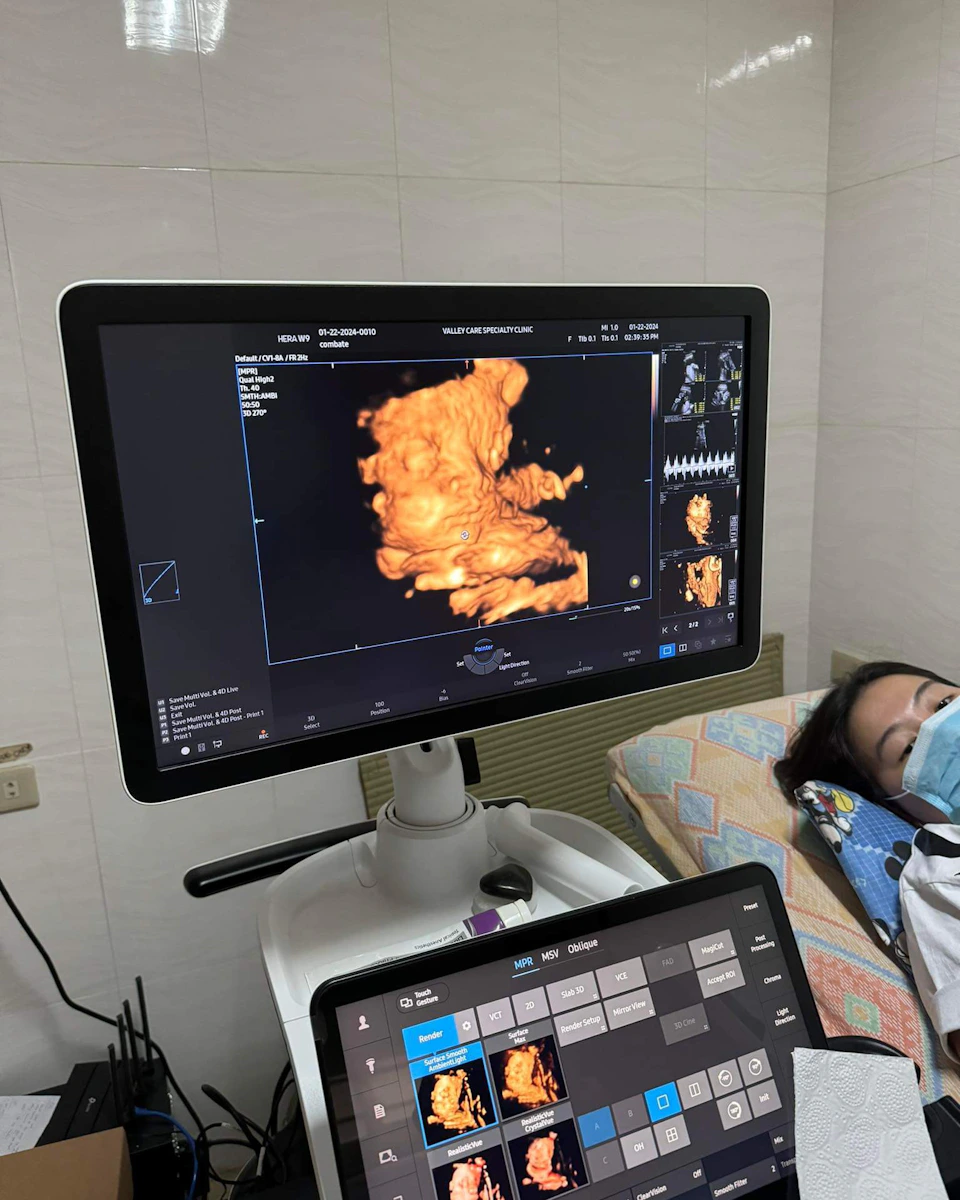
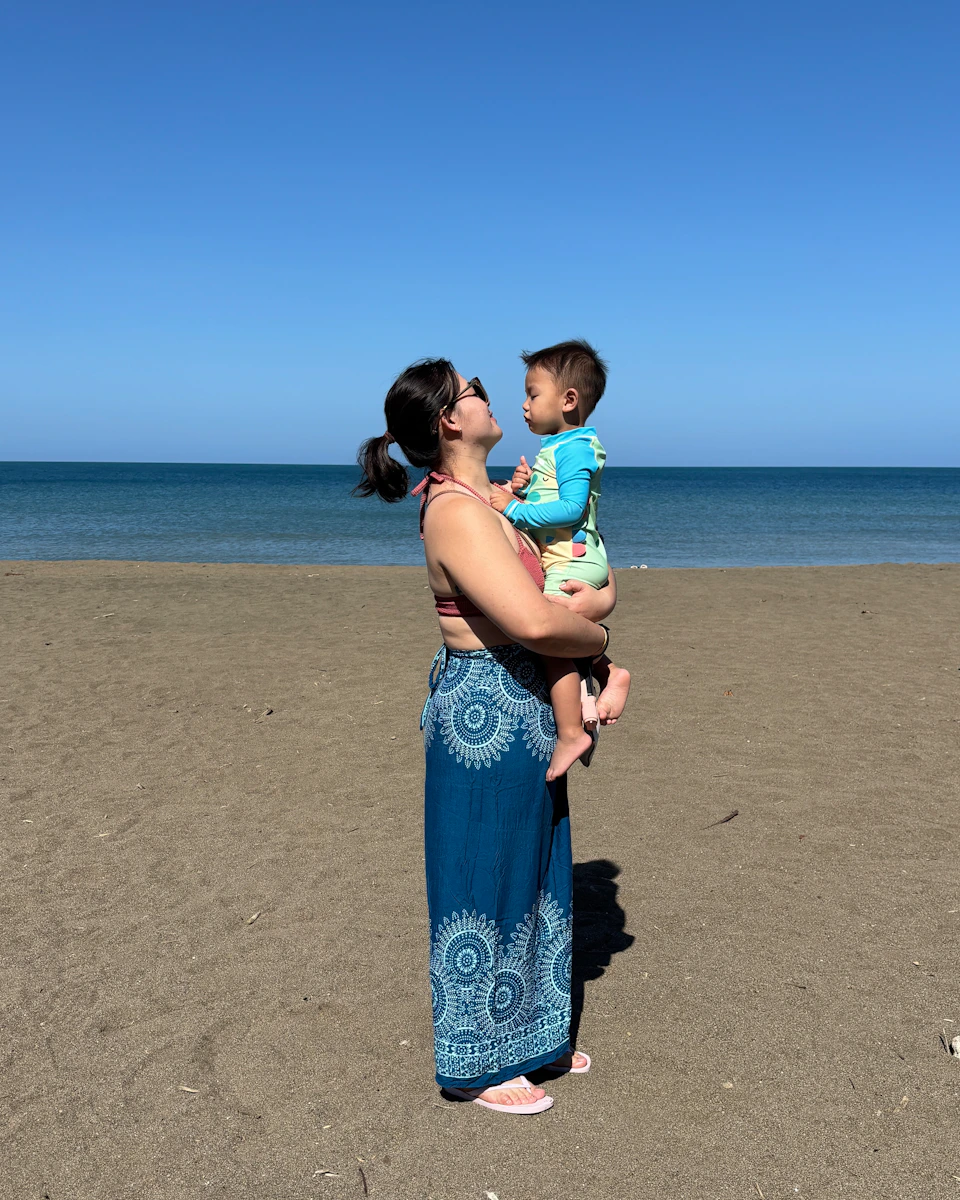
I’ve also learned that she hasn’t lost her fierceness and Type A personality. There’s this perception that settling back in our hometown was just that—settling. But, if anything, living in our small city and becoming a parent has driven her to become even more ambitious, more entrepreneurial, than ever before.
At the same time, motherhood has brought out a gentleness in her that I hadn’t really clocked before. In my last trip to the Philippines, I saw the grace and understanding she’d give to her one-year-old, the evenness in her disposition. She told me she hopes that he would grow up feeling safe with her as a parent and confidant, that he could tell her anything without fear. She wants to parent with firm authority, but also be an approachable friend. (Something that she felt she might have missed out on in her own childhood.)
Interestingly, in recently speaking with Pam, she didn’t feel like we were rivals as much. She never grew up thinking I was competition. My biological mother (whom I call Ai, pronounced ah-ee) was always open with Pam, and with my four other biological siblings, about me being their sister. And, I think, Pam’s always seen me that way, and not just some other kid she needs to prove better than. Perhaps raising Pam not to see me as a threat was Ai’s way of protecting our relationship as twins, and her way of quietly expressing some form of care—and, to some degree, love—for me.
"Pam’s been an open book, telling me about the emotional and mental hurdles she faced during pregnancy; being candid about her isolating experiences postpartum; and sharing the joys (and melancholy) of seeing her baby turning into a little man. We’ve also spoken about how early motherhood has, unexpectedly, made her feel lonely."

Through her motherhood, I’ve gained a new appreciation for Pam’s strengths and vulnerabilities—the full picture of my twin as a human and not some impossible standard I’m trying to meet or best. And it is through her motherhood that I am also able to see more possibilities for myself.
I’ve always admired Pam, but in the past that was tainted by my insecurity and outside circumstances. Today, being in such different phases in life, I’ve realized that we were never in a race. In fact, the beauty of having a twin is to have someone to walk through life side-by-side with. As the saying goes, from the womb to the tomb.
Jasmine Ting (@jasminepting) is a Filipino journalist who usually covers the world of food (dabbling in travel, as well as entertainment), and a published author of children’s educational books. But—like every other writer—she tries to find time for more personal work that tells more personal stories (just like this one). Since rekindling her relationship with her twin, they've also begun a joint online experiment/case study/creative outlet called Life Two Ways (@lifetwoways) which is still a very rough thing in progress.