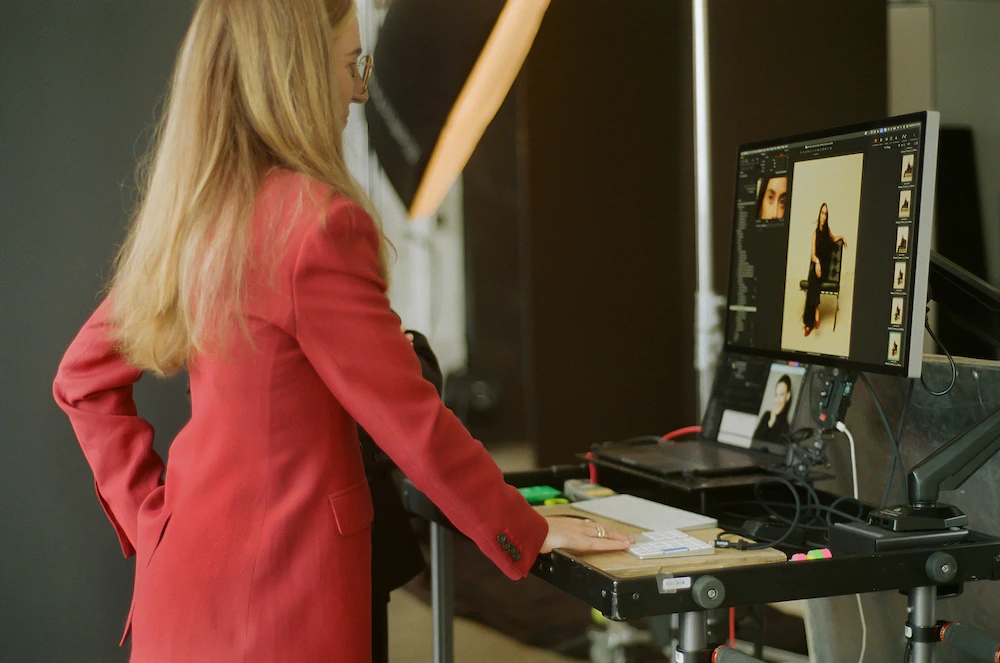
Getting Sticky with Sali Christeson
Success, however you define it, is rarely achieved alone. Few people understand that better than Sali Christeson, whose wildly successful brand, Argent, has become a hub not only for impeccably cut women’s workwear, but also for actual networking and professional support.
Like the best fashion brands, Argent grew out of a deeply familiar frustration: the lack of reliable, elevated pieces designed for women in the workplace. What sets the brand apart is their cut, a balance of razor-sharp tailoring and sensual ease that slips on effortlessly and leaves you feeling yourself.
The fact that Argent grew almost in lockstep with Sali becoming a mother was something of divine timing. The further she moved into parenthood, the more confident she became in both her brand mission and design signatures. Today, she’s not only built a model for modern-day female entrepreneurs, she’s become a living embodiment of her customer: someone who works and plays equally hard (she’s known for throwing some of the best industry events), who prioritizes her family, and understands that a woman is only as strong as the women around her.
It’s entrepreneurs like Sali, and ventures like Argent—where fashion, feminism, and community coalesce in a way that feels totally natural and never engineered—that make seemingly impossible tasks possible. And also rather chic in the process too.
Below, Sali talks about navigating the very male-dominated world of entrepreneurship, the power of clothes to help assuage the many stresses of postpartum life, and how she’s managed to balance two kids with a flourishing business (hint: some early meetings required accessorizing with a baby carrier).
Words by Rachel Hodin. Photographs by Nuria Rius.
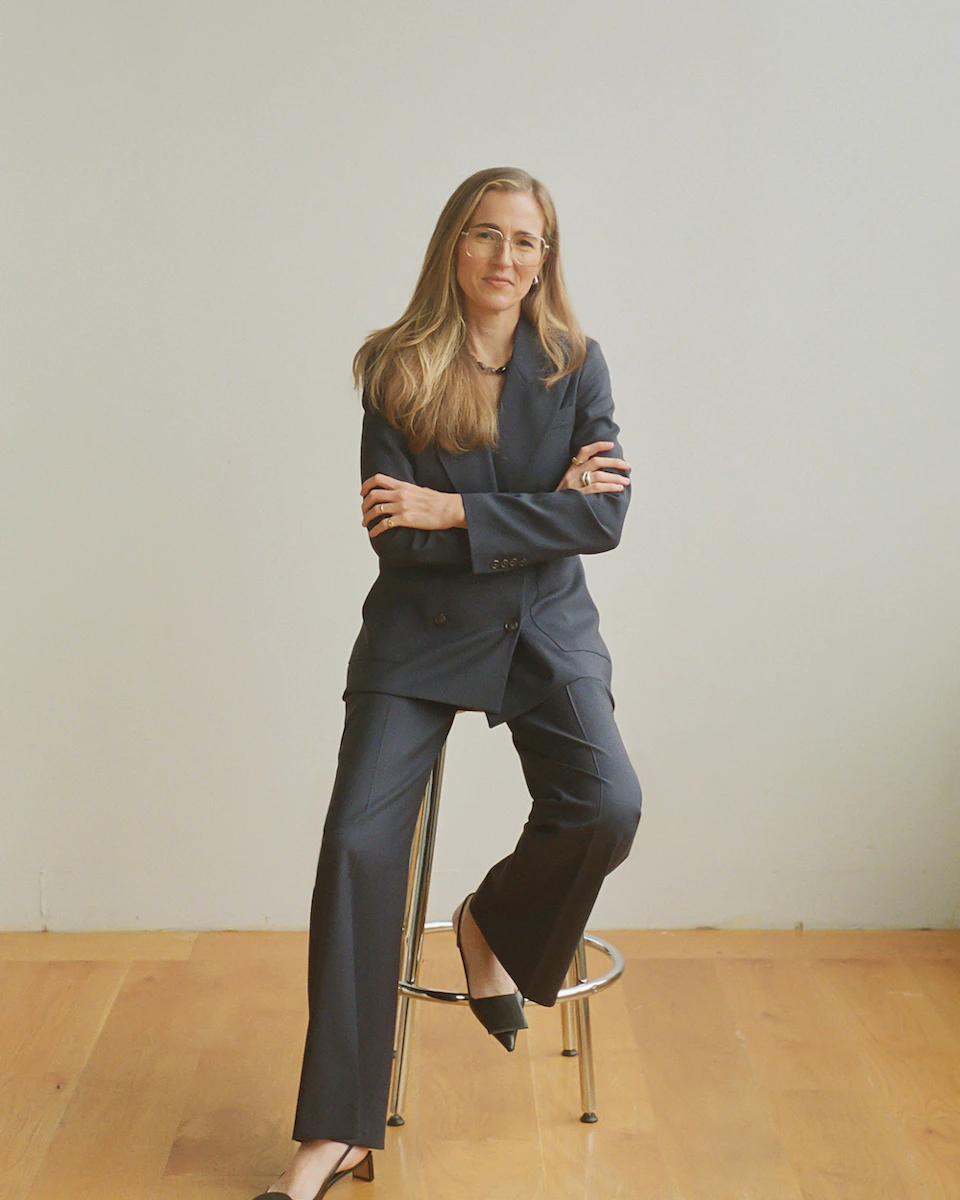
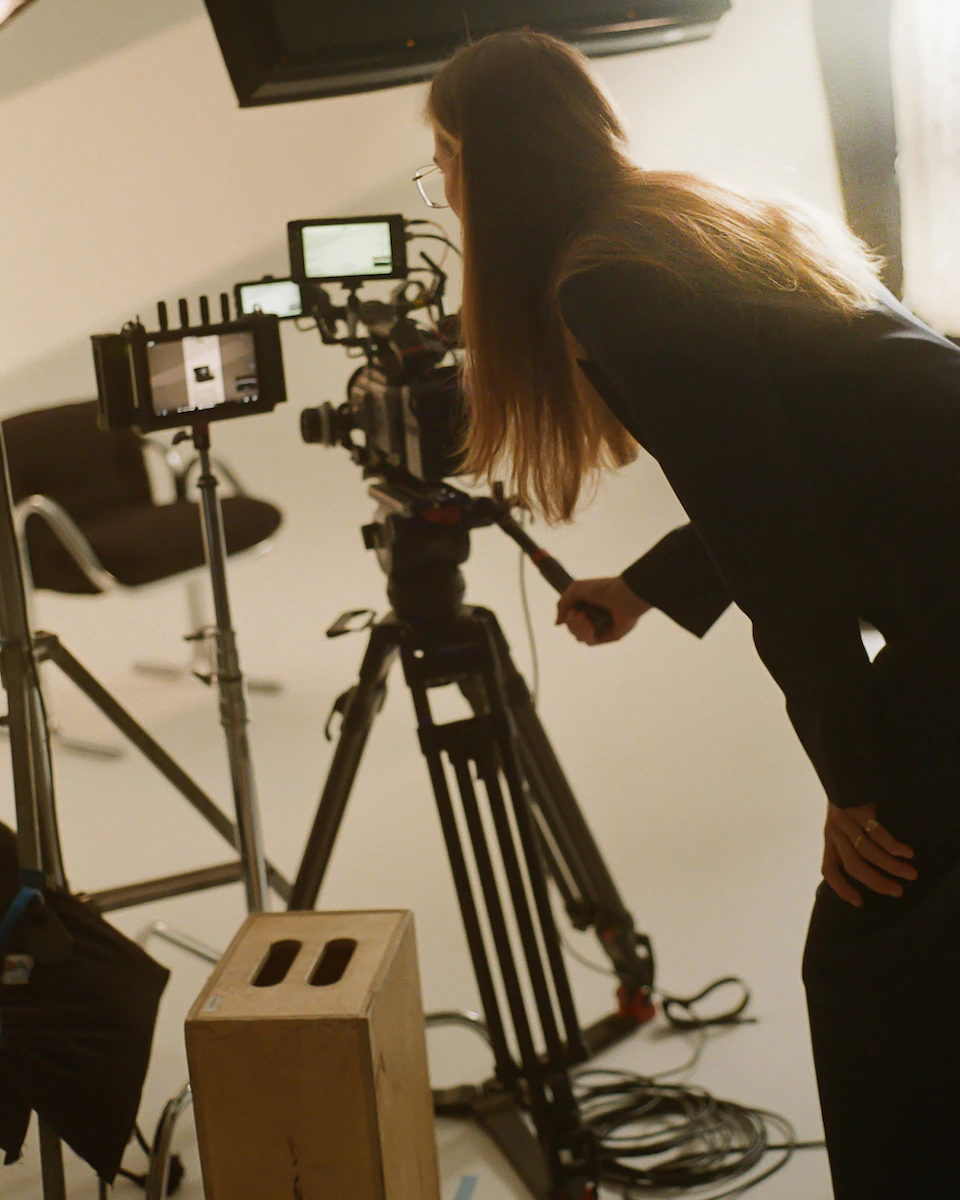
Turns out, you can take the girl out of South Carolina…
I grew up on a farm in South Carolina, the same place my mom and grandad grew up. My dad is an immigrant from Turkey, and my brother and I would trade off spending every other summer in Kumbağ, a beach town outside Istanbul. So we had this unique upbringing, with a foot in two very different cultures.
I miss it so much. I haven’t been back since before the kids and they’re now asking to go, so we need to figure that out.
I never quite felt at home in the South. The town I’m from is so tiny: It has one stoplight and 10,000 people. I always wanted to go to a big city, so in 2008 I just picked up and moved to Chicago. I moved there without a job and ended up getting one in banking. My husband and I met the last week of college and we both ended up moving to Chicago independent of one another. We became best friends for a few years, then finally started dating.
After grad school, we moved to the Bay Area, where I got a job in tech—and a few years in, I quit to start Argent.
Being annoyed = the best motivation
During my years working in banking and then tech, I became so annoyed that no one was making accessible workwear that was easy or cool. By the time I was at Cisco, women were being told they could wear jeans to work, but ultimately we didn’t know how to dress—and no one was solving that. I read a study that said women are judged based on their appearance, that what they wear is really significant and can directly impact their bottom line. I was like, f*ck this. That was really the catalyst.
The initial objective was: How do we introduce color, style, versatility, and quality into women’s workwear in a way that allows her to streamline her day-to-day? We're focused on women at an individual level—on giving them armor, something that’s an extension of their personal brand and allows them to show up as their best self in any environment. It’s really basic stuff, but it had just never been considered.
At that point, I had a decade of experience in business, I believed so much in the brand, and I was ready. It was kind of now or never. And I thought, what’s the worst that can happen? If, in two years I have to re-enter corporate America, then fine.
Work/life balance—but for real
I think we hold a lot of power in work and sometimes we allow society to take some of that power or dictate how we should be feeling. My approach to parenting feels like a reclaiming of that power by doing what works for my family and for me professionally—and doing it unapologetically.
I travel more than I want to for work, but I also get to leave at four and pick up the kids if I want. For me, it's about living a free existence, which is hard to do in our climate.
With Charlie, my oldest, I worked until he was born, which was a week after my due date. Postpartum, I stayed plugged in, which felt like a luxury because I needed to be mentally stimulated. At the time, we didn’t have the infrastructure in place at Argent to fully support me not being engaged 24/7, and to be honest, my work probably suffered a bit as a result. But having him was the best thing that ever happened to me. I remember thinking, This is the best, I never want to re-enter society, I just want to be a full-time mom.

"My approach to parenting feels like a reclaiming of that power by doing what works for my family and for me professionally—and doing it unapologetically."
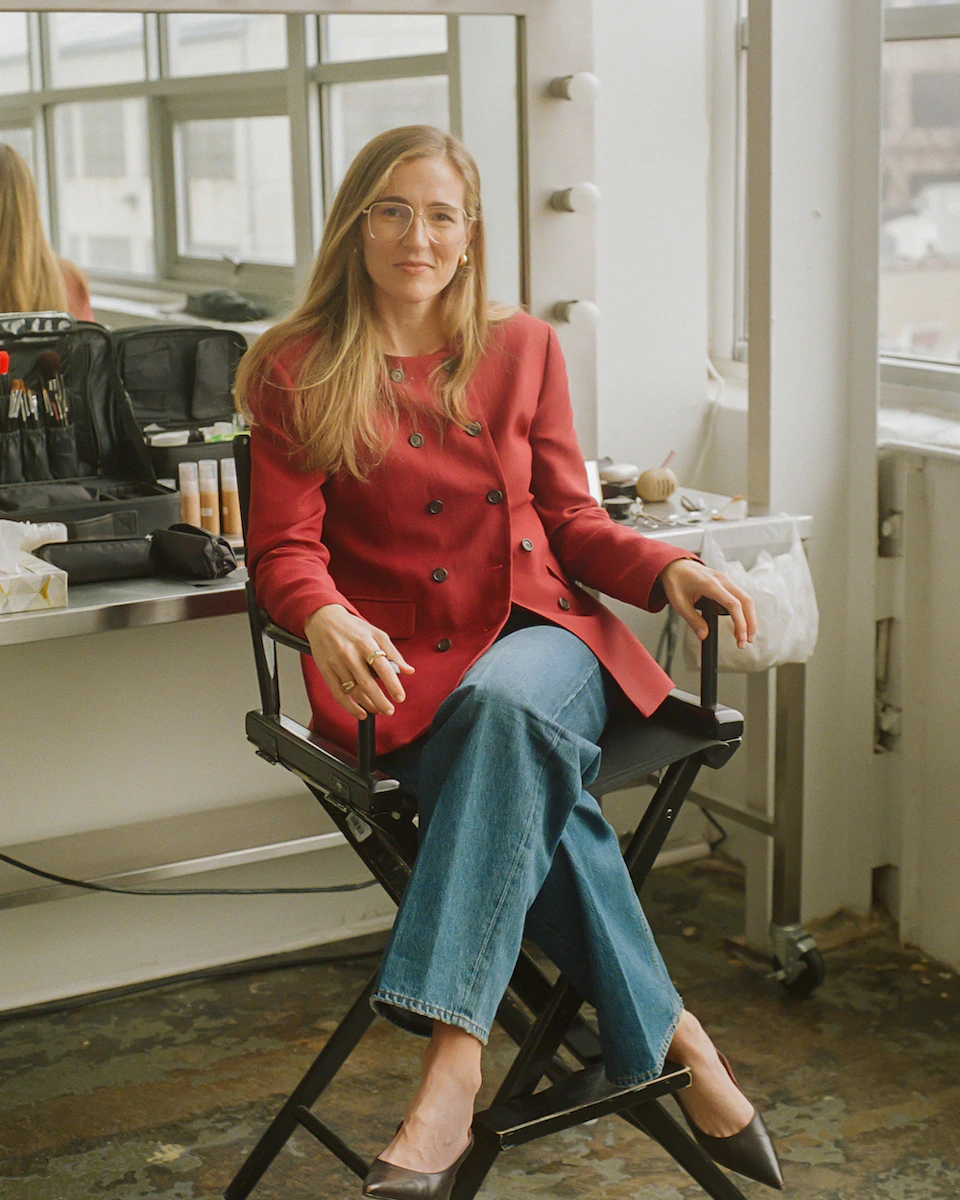
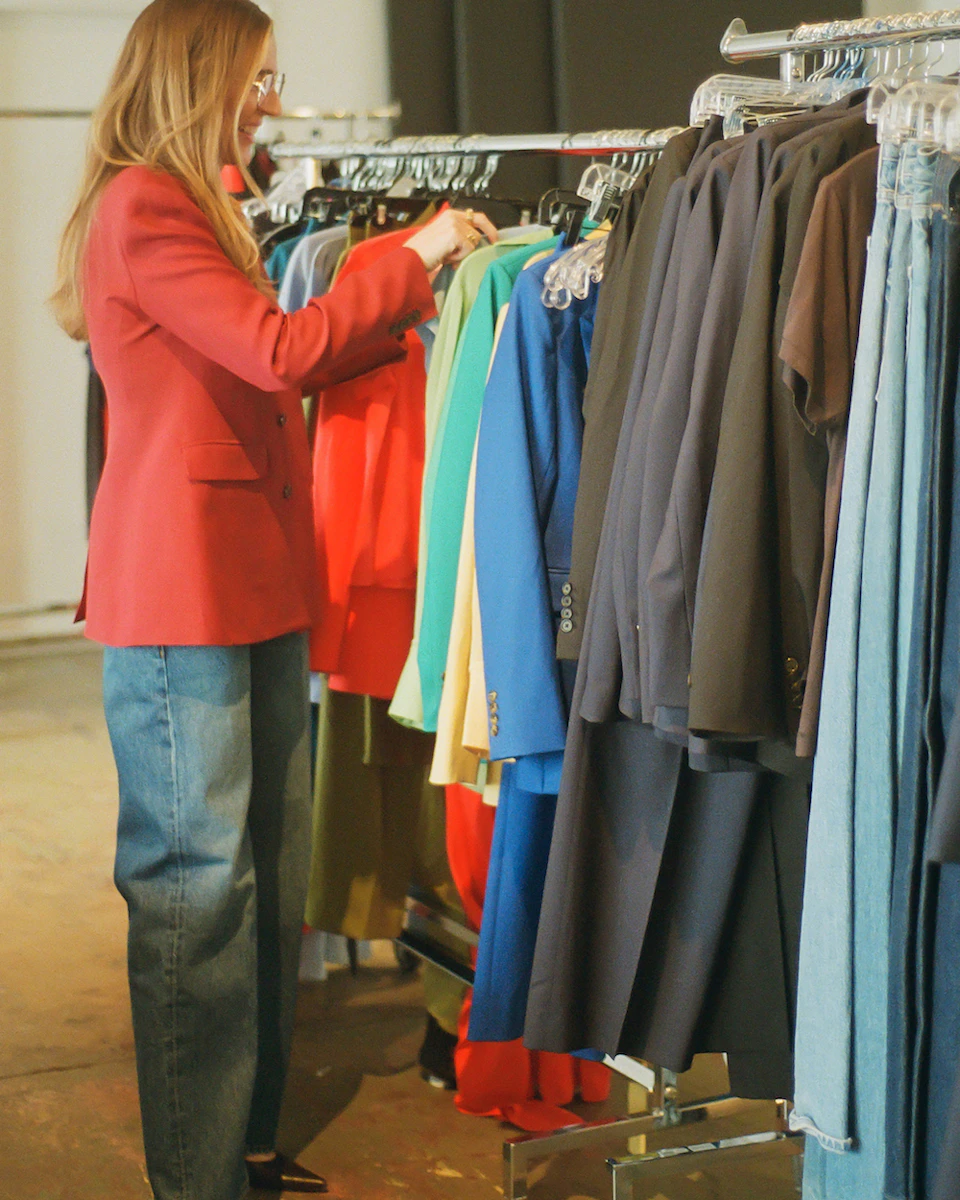
Nothing like seed funding with a newborn
I vividly remember walking the streets of San Francisco and taking meetings with Charlie strapped to my front—including my fundraising meetings. I remember my husband being outside pushing him in the stroller while I took a 30-minute meeting with our lead investor. The organization ended up leading our round. I raised our series seed round of four million dollars when he was two months old.
I don’t think I fell into that cliché that having a baby makes you more strategic with your time and what to do with it.
The case for investing in clothes after you give birth
I bought a few pieces to get me through pregnancy, a limited assortment of, for the most part, pregnancy jeans. I ended up hating all the pieces I wore because you’re just kind of miserable, right? You don't totally feel like yourself. I donated all the clothes when I was done.
I had an incredible delivery experience, I feel very lucky. I have to plug May Gaskin's The Guide to Natural Childbirth. It’s the best book on the planet—it’s timeless—and the only pregnancy book I read. After giving birth, I had this feeling of, My god, I’m like superwoman. I just delivered a child—like, this body can do anything. At the same time, my body wasn’t quite where I wanted it to be. Having clothes that made me feel like my best self made the experience better.
Postpartum is where we come in at Argent. Our core consumer is a woman who’s going back to work after four to six months of maternity leave and trying to navigate that with her bodily changes. As with anyone going through a big wardrobe change, our recommendation is to go through your closet, put everything on, and figure out what you feel great in without being too married to any piece. Don’t throw anything out too soon because you go through changes for one to two years postpartum. But make sure that you do invest the time to go somewhere and buy a capsule wardrobe that gets you through that postpartum period. It’s already hard enough feeling so out of sorts—you’re not sleeping enough, you’re scattered, your hormones are all over the place—so do yourself that favor. And then update it every six months, either by tailoring it to fit you six months down the road or by continuing to buy basics and keeping the selection really tight.
We see women who come in and are really attached to a size number, when these are so specific to the manufacturer and type of garment. Sometimes we make a pant that’s running too small or too big; I can tell you, that number really is meaningless. We all know the experience of putting something on that makes us feel great—that’s what matters more than anything, especially if you're going into an office three to five days a week.
Separation anxiety except it is mom’s
I definitely had some postpartum anxiety with Charlie. I didn’t really feel comfortable leaving him or being in crowds. Over time that went away, but honestly, I probably went a year without leaving him.
With Ruth, my second, I had a ton of postpartum anxiety. She’s exactly two years younger than Charlie, and having her was an entirely different experience because it was COVID. I think my anxiety was linked to not wanting to leave these tiny humans at all, ever. One is two years old, the other one is colicky, and they just need me. And honestly, I need them. I actually think it was a luxury that I didn’t have the option to leave Ruth.
It’s funny; during COVID, my postpartum anxiety wasn’t about the business. A lot of it was tied to being in social settings with the kids—and because it was COVID, I didn’t really have the option of doing that. We didn’t have help or support, and we couldn’t be around the public. I’m grateful the kids weren’t in school yet, that we didn’t have to figure out Zoom classes, and that I was able to take a bit of a backseat to the business.
"Postpartum is where we come in at Argent. Our core consumer is a woman who’s going back to work after four to six months of maternity leave and trying to navigate that with her bodily changes."

“I'm a founder—I can roll with the punches…”
During COVID, work was outside of my control, and I don't stress about things that aren't within my control. I'm a founder—I can roll with the punches. I was forced to make a lot of decisions for the business during that time, some of which were driven by my personal circumstances.
January, February, and March 2020 were very strong months for the consumer. We were doing well—everyone was doing well then—and were about to go out for a Series A. We were perfectly positioned. Then COVID hit and I had to decide: Do we just wind down the company and be done? Or do we survive? I decided on the latter, obviously. We were just really aggressive: we stopped production, and decided to just hunker down.
To me, the business trajectory was quite obvious: people are going to stop shopping, but they’ll be back, and when they come back they’re going to overcorrect. That is ultimately what happened, but nobody else saw that coming. All of the press was essentially saying workwear is dead forever. I was able to zoom out and see beyond that.
With the store, we got super lucky. In March 2020, stores started announcing closures, saying, “We’ll be back in two weeks.” Everyone thought it was short term. I’ve found landlords to be a little opportunistic in a lot of our lease negotiations. They’ll always tell you that it’s a really hot market, and that they can always do better. They were confident they could find a tenant who would pay more, and I sort of took advantage of that. I saw it as an opportunity to get out of the lease.
The patriarchy touches everything
There's an assault on women's rights right now. Women are not supported by society at all—whether it’s our healthcare, family leave, birth in general, or our maternal health crisis. When women who have spent time raising their kids want to re-enter the workforce, we shouldn’t dismiss their resumes. That’s what happens: the more time that elapses while you’re out of the workforce, the lower your chances of getting back into the workforce. Which is so broken. Being a full-time mom is the hardest job in the world. We want to rebrand being a mom as a job—and society needs to view it as such.
Fundraising is another example of many: there’s a lot of data to support the fact that women are severely underfunded. But there are also a lot of instances where you just know you’re being discriminated against and it’s really hard to articulate—the more advanced you are in your career, the more you see it. There are so many biases—like, if women leave work, the assumption is that she's just parenting, but if a guy leaves work, the assumption is that he's working.
We’re living in a time where, once again, women are being pitted against one another. It's about control and power, and it’s all a result of the patriarchy. Don’t fall for it.
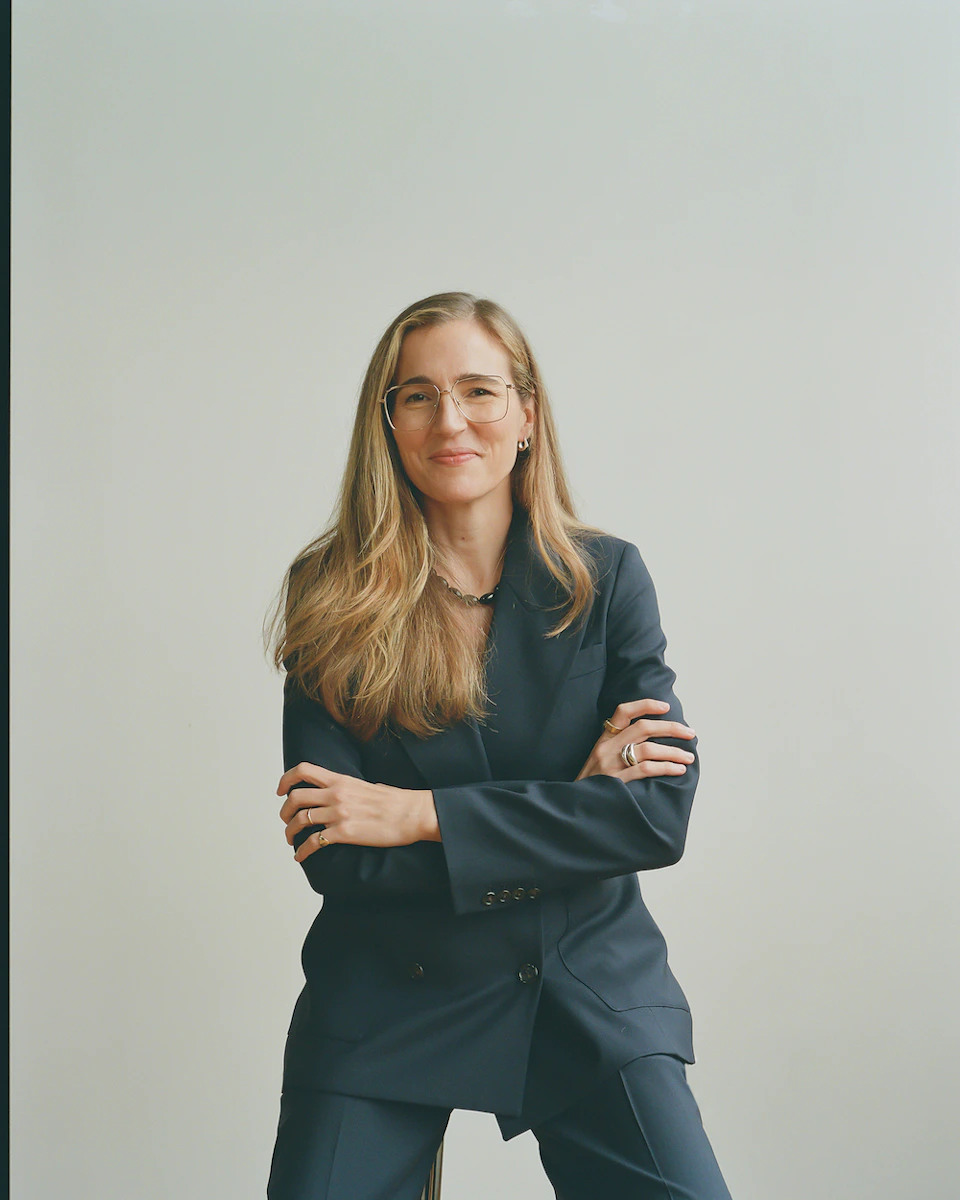
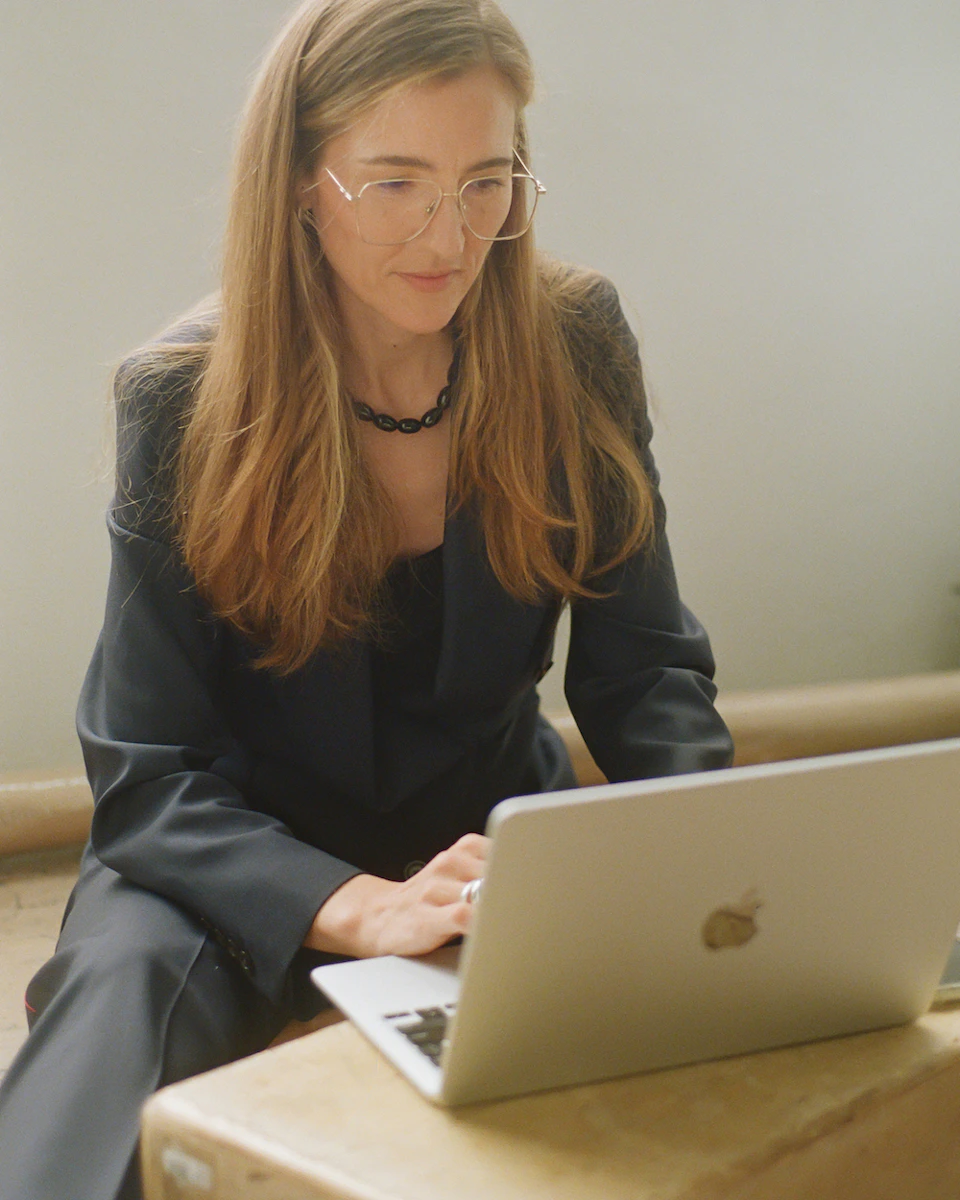
The key? Women supporting women
If we want women to have the freedom to do whatever they want to do, we have to begin by supporting each other ourselves. That’s the most rebellious thing women can do right now, and that’s what’s going to bridge the divide between the trad wife phenomenon and the working mom trying to balance it all. It just comes down to gender equity, which has been designed to fail by the patriarchy.
In existing, showing up, using our voice, and addressing the women we do, we as a brand are playing an active role in ensuring that women continue to feel supported and part of a community of like-minded women. It’s become a cliché word, but community is at the heart of literally everything that we do.
There are so many women that want to connect with working moms that are just like them, but don't have the opportunity to, whether because they’re working across different industries, in different cities, or they’re different ages. We’re constantly asking ourselves: How can we bring together these women who wouldn’t necessarily connect otherwise?
The store also serves this purpose. We’ve seen people make connections in our stores in ways that continue to live on outside of Argent—which is the goal. We really want to be a conduit for these connections. And we've sort of found this nice flywheel where everything works together.
In our podcast, Work Friends, and editorial features, we’re constantly trying to figure out ways to celebrate women who have been doing the work and have them tell their story in a way that hopefully inspires the next generation.
When speaking out is worth it…
I am very much a feminist through and through. I've always been confident—I’ve been the same since I came out of the womb. I'm very outspoken and believe in equal rights. We run the brand with a very unapologetic voice when it comes to women. That is our filter. So when reproductive rights are under attack, we show up; when women's healthcare isn't being properly funded, we show up. Paid family leave is better for women, it's better for families, and it's better for the economy.
We speak out when we feel like we can add value, and right now, that’s by showing up for these powerhouse women who share household responsibilities with their husband—women who are power brokers and aren’t shying away from the work. We’re doing whatever we can to help our community of women succeed, help them connect with one another, and inspire them to keep going.
There's a really obvious right side of history. We're huge proponents of DEI initiatives, and we dress a lot of women that work at companies that have rolled back DEI efforts. To me, that is very black and white. If we lose customers over something like that—it’s their loss.
Our current climate has been a really tough thing to parent through, but we’re very open with the kids. It all comes through education, empathy, and compassion. Also getting them out in the community and exposing them to the fact that we are a country of immigrants, which we benefit from, especially in New York. I myself am a first-generation immigrant. We try to have these conversations as much as we can, and to keep it age appropriate. This more applies to our seven-year-old; he came canvassing with me a couple times and loved it. I think right now, kids are seeing things more clearly than adults, which is wild.