The Word Miscarriage Needs a Rebrand
Words by Vaughan Bagley
I hate the word “miscarriage.”
I doubt I would have dwelled on this word at all had I not been thrust into one of the least desirable secret societies in the world: parents who have experienced a pregnancy loss. It’s a club no one dares to think about until they’re in it, and then suddenly it’s clear how many others have been there too, experiencing their own silent sorrow alongside you.
I was nearly 18 weeks pregnant with my second child when I walked into what should have been a routine OB checkup and was told my daughter no longer had a heartbeat. Just a week earlier, after a quick scan with the fetal doppler, the doctor had declared her heartbeat “strong.” The memory of that reassurance was still so vivid that I couldn’t make sense of what he was saying. I was sure there’d been some mistake. When the nurse brought me back for the ultrasound, the room felt unbearably still, as if the air had been sucked out of it. As I lay on the table hoping and praying that she would soon declare this all a big misunderstanding, the sonographer’s voice, tender and quiet, cut through the silence: “I’m so sorry. She’s gone.”
My hands began to shake as they quickly fumbled through my bag, desperate to find my phone to call my husband. I needed him to hear the news from this woman directly because how could I possibly convince him of something I didn’t believe myself?

"The word 'miscarriage' hit differently this time. I know she didn’t mean it this way, but the word itself sounded cold, callous, and wildly insensitive. My mind drifted: Am I the one who mis-carried? Did I do something to cause this? If so, what could it have been?"
The cruel irony is that while our story felt all-consuming at the time, I’ve since learned that it’s far from rare. The good news is that this doesn’t happen to everyone or even close to everyone. The bad news is that it happens to far too many. Miscarriage is the most common complication of pregnancy in the United States, affecting 15–20% of clinically recognized pregnancies. This translates to roughly one million losses per year in this country alone, or put another way, that is at least 2,739 times per day that a couple hears the words: I’m so sorry. They’re gone. This doesn’t even account for the devastating reality of stillbirths, which are defined as losses after 20 weeks.
The door opened slowly, and the nurse walked somberly into the small patient room where I had been waiting. She was kind and considerate, reiterating that she understood how devastating this was, but unfortunately, miscarriages do happen, even this late in a pregnancy.
At hearing the word “miscarriage,” I immediately felt a visceral reaction. It’s not like I’d never heard the word before, but it hit differently this time. I know she didn’t mean it this way, but the word itself sounded cold, callous, and wildly insensitive. My mind drifted: Am I the one who mis-carried? Did I do something to cause this? If so, what could it have been? I immediately replayed every minute of the last few days over and over in my head, searching for an answer.
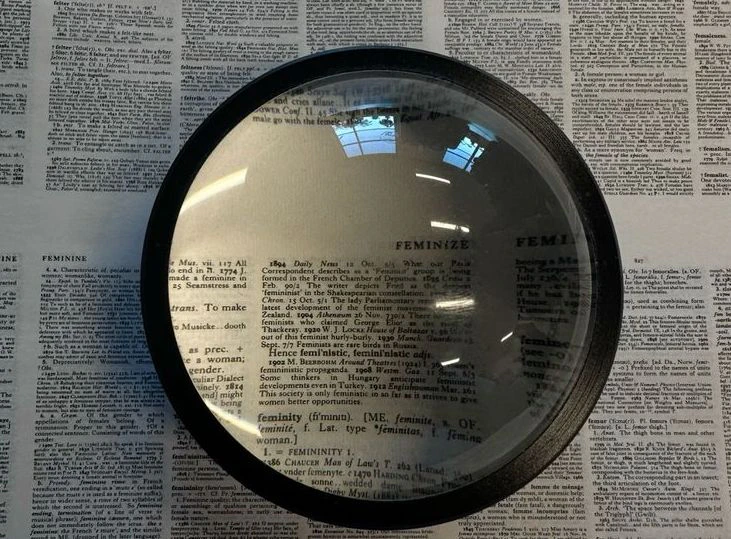
Clinically, a miscarriage is defined as the sudden loss of a pregnancy before the 20th week. But Merriam-Webster offers two definitions. The first is “corrupt or incompetent management.”
It’s that definition that angers me, even now. Incompetence. Mismanagement. Negligence. While I know this particular description doesn’t directly refer to the loss of a pregnancy, seeing this definition side by side with “sudden loss of a pregnancy” leads me to ponder the harshness of the word’s pervasiveness in this context. It feels almost accusatory—as though the mother herself botched or mishandled her responsibility as the baby’s “carrier”—a deeply unfair burden for anyone to carry in conjunction with such unspeakable grief.

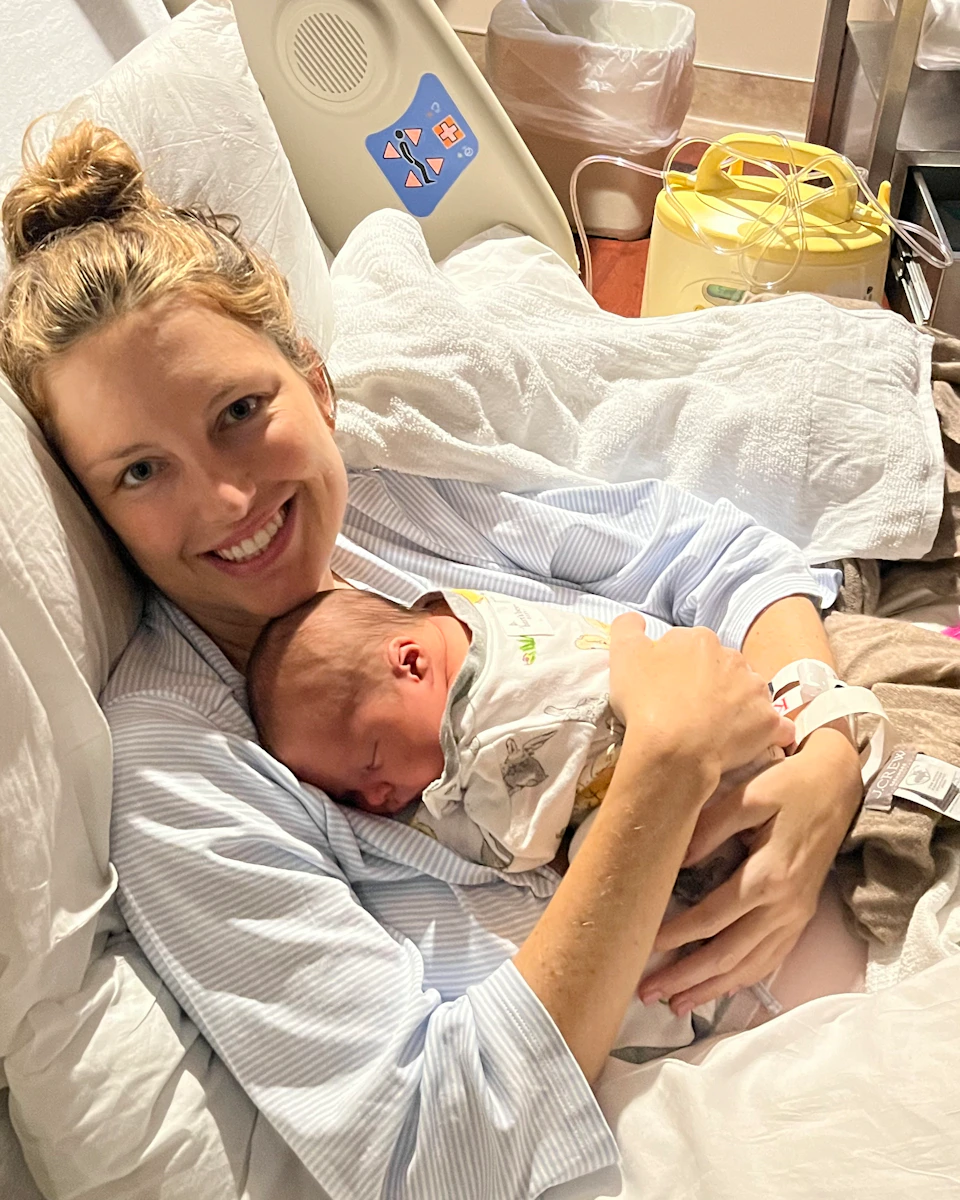
"It feels almost accusatory—as though the mother herself botched or mishandled her responsibility as the baby’s 'carrier'—a deeply unfair burden for anyone to carry in conjunction with such unspeakable grief."

When I came up for air many weeks later, I found myself wondering: Does this word make others recoil as much as it does me? I know at the very least that I’m not the only one who has noticed its insensitivities—even the Mayo Clinic acknowledges that the word intrinsically implies fault. “The term miscarriage might sound as if something was amiss in the carrying of the pregnancy. This is rarely true,” their website reads.
Knowing I wasn’t alone, I looked into where it came from. It appears that “miscarriage,” while used as a term since the 15th century, wasn’t widely used to describe a sudden pregnancy loss until the mid-1990s. To no one’s surprise, “miscarriage” originated in a male-dominated medical system where gender bias and misogyny shaped both ancient medicine and language itself. Still, despite the term’s obvious faults, it came to be viewed as a more acceptable alternative to the preferred medical term at the time: “spontaneous abortion.” The word “abortion” didn’t sit well with many families, so patients asked for the language to be amended. Enter “miscarriage.”
As I contemplated how this word made me feel, I began to wonder: Is this choice of terminology partly to blame for why there’s so much silence around pregnancy loss? Even in an age like today, when people seem to put every detail about themselves on the Internet for public consumption, this particular kind of grief remains largely unspoken.

"We replay the morning we exercised too hard, the slightly undercooked egg we ate for breakfast, the stress we carried into long days at work. We may know that women have run marathons while pregnant, delivered children in war zones where stress is inescapable, and given birth in refugee camps where food is scarce. But grief doesn’t answer to reason."
While there are countless reasons why that might be, there is one seemingly unifying force that lives deep down in all of us—in the tender place where logic fails to reach and our emotions reign supreme—and that is shame. We replay the days and weeks before the loss and search for some personal misstep we might have made: the morning we exercised too hard, the slightly undercooked egg we ate for breakfast, the stress we carried into long days at work. In the rational part of our minds, we know that women have run marathons while pregnant, delivered children in war zones where stress is inescapable, and given birth in refugee camps where food is scarce. But grief doesn’t answer to reason, and we tell ourselves that at best we could have saved our baby, and at worst, we might have caused their demise.
Would we do this to ourselves anyway, no matter the language used to describe our loss? Perhaps. But to hear the word “miscarriage” adds insult to injury. While I don’t recommend going back to the days of referring to these tragedies as “spontaneous abortions,” for my own personal sake, I will continue to call what happened to us a “pregnancy loss” until someone comes up with something better. For me, the loss is what should be emphasized and named. By amending this language in clinical settings, we could give voice to the grief of the 2,739 women per day in this country alone who deserve to feel like survivors rather than perpetrators.
Miscarriage needs a serious rebrand.
Vaughan Bagley is a former Director of Social Impact Strategy for MTV Entertainment Studios. Since going through challenges with fertility and pregnancy loss, she has begun writing a book highlighting women’s stories along the broken road to motherhood. She lives in Washington, D.C. with her husband, two young children, and spunky Aussie Doodle, Finn. You can find her via her Substack, Becoming Mom, where she covers issues of fertility, pregnancy loss, postpartum mental health, and motherhood.