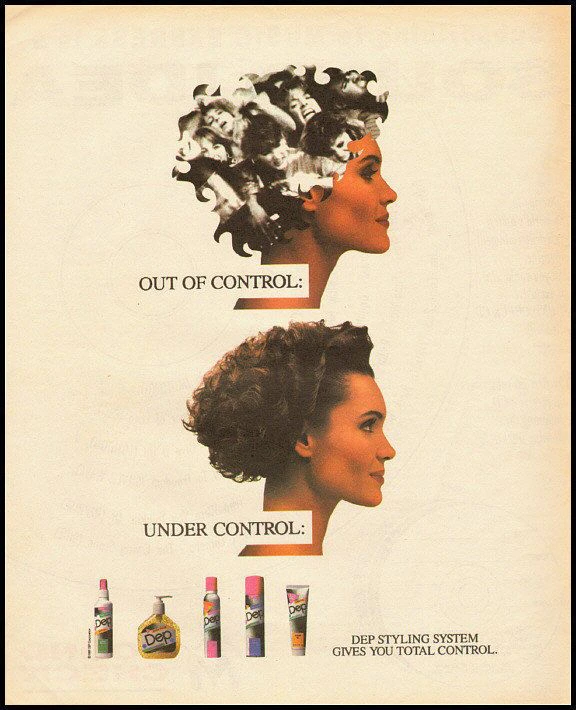
I Wasn’t Warned About High-Maintenance Postpartum Hair
Words by Mackenzie Wagoner
Before giving birth, we are warned the postpartum experience is varied, understudied, and underserved. We ostensibly prepare for as much as we can, filling our medicine cabinets with nipple balms and sitz baths; our freezers with broths and lasagnas. Our bodies and time will not be our own, we are cautioned. Our hair will shed, they tell us in this shared wisdom. All of this is true and bewildering to experience. But not a single friend, provider, nor book warned me that the hair that remained would likely begin to…improvise.
“Postpartum hair can become curlier or straighter, shinier or dryer,” says dermatologist Elena Jones, the Upper East Side’s doyenne for hair loss, on the speed dial of ungodly gorgeous clients including Pharrell Williams. Riding the postpartum dip of estrogen and progesterone, she tells me, hair may coil, dry out, weaken. In other words, become incredibly high-maintenance.
I called Dr. Jones at the behest of my own hair: once infallibly glossy wash-and-go beach waves, now tightly pin-curled at the back of my head and straight, lifeless, and limp at the front. A bald patch on my temple lords over the chaos, and frizz brews from root to end. It is dry. It is brittle. It looks angry. And I am not alone. When I post about this on Instagram, dozens of mothers reply. “The curl pattern just totally changed,” one DMs me. “First it got frizzier, then coarser, then frizzier again,” writes another. “I lost all of the volume that made it cool,” says one more. Even celebrity hairstylists get caught off guard. Los Angeles’s Mare salon owner Mara Roszak, mother of two and the head behind Roz Haircare, was shocked by her own postpartum transformation. “I wasn’t expecting that rapid drop into crazy dryness, as if the life had been sucked out of me,” she tells me. Even after years of watching her own clients (including Emma Stone and Zoe Saldaña) navigate the follicular trials of hormonal shifts, her own came as a surprise.

"A bald patch on my temple lords over the chaos, and frizz brews from root to end. It is dry. It is brittle. It looks angry. And I am not alone."
If it feels mysterious, it isn’t, Dr. Jones assures me. With the loss of the placenta follows a hormonal plunge that “changes the protein structure” of the hair, down to the follicle, the shape of which determines texture. “Round follicles produce straight hair, oval follicles more wavy hair, and more elliptical follicles different curl patterns,” explains Lars Skøth, founder and chief researcher of Danish scalp health authority Hårklinikken. A shift in follicle shape, for both existing and new strands, can cause entirely new undulations. “The genes set the baseline,” he says, “but time, aging, and hormonal changes modify that expression.” Which is why these changes tend to cluster around puberty, pregnancy, postpartum, breastfeeding, perimenopause, and menopause. They often last until (or past) your next major hormonal shift.
While new follicle shapes explain curl patterns (or lack thereof), dryness, flyaways, and frizz point to another problem entirely. “These are usually the first signs that hair is miniaturizing,” says Skøth, ergo thinning. What I mistook for new texture was actually something more sobering: the hair that is growing back post-shedding is returning finer, slower, with a weaker, more permeable keratin layer, leaving it more vulnerable to wind, light, and water damage and less capable of retaining moisture. Read: frizzy.
At the Hårklinikken Manhattan outpost, Skøth’s colleague takes me on a microscopic tour of my own head. A magnified camera pans through the lush forest at the back of my scalp, chock-a-block with follicles growing three or four robust strands each, then moves to my temples, which resemble a desert landscape: one follicle every microscopic half mile, each producing a single, straining strand. The image is equal parts proselytizing and haunting.
And yet, both she and Skøth assure me, it can be reversed—or at least meaningfully improved. “More flyaways, a shrinking ponytail—these are early signs you can respond to,” he says. And the sooner you catch it, the swifter and surer the recovery. In fact, every doctor and hairstylist I spoke to agree that what cannot be reversed can at least be assuaged. The solution, Roszak suggests, is two-fold: “First, make your hair happier with products. Then assess the cut.” Such hospitality can be aided in a number of topical and ingestible ways.
CONSIDER YOUR DIET
We begin with what goes into the body. Malnutrition is a leading cause of hair thinning, shedding, breakage, and graying. “Your iron and B complex, vitamin D, and protein must be up to par,” says Dr. Jones. Once bloodwork reaches optimal levels, “postnatal vitamins can help, but don’t prevent shedding.” She suggests Nutrafol to support regrowth and strengthen existing hair. If you’re no longer breastfeeding, she also likes Isdin Lamdatil as a topical lotion, and minoxidil for more serious loss, with the caveat that it can stimulate hair growth in unwanted places, too.
FEED YOUR SCALP
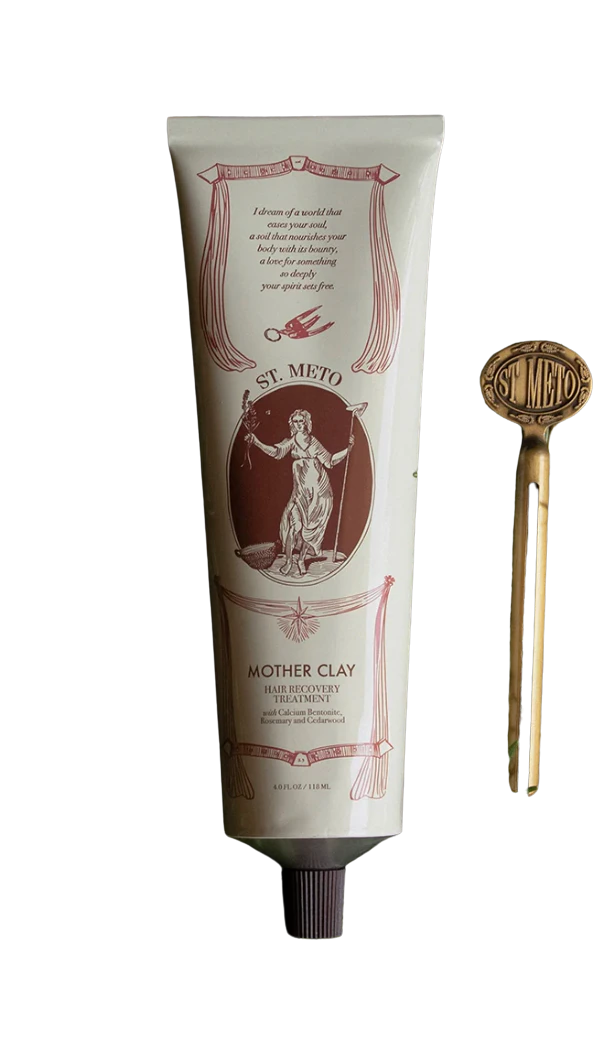
“Healthier follicles beget healthier hair,” says Kristen Shaw, LA-based mother, stylist, and founder of the St Meto scalp treatment (clients include Andrew Scott and Jonathan Bailey). “Most products fix one thing. I don’t look at hair that way—it’s multidimensional.” Her clay-based mask clarifies buildup, balances pH, and restores volume, luminosity, and touchability. Used monthly, she says, it creates a healthier ecosystem—and over time, fewer wash days.
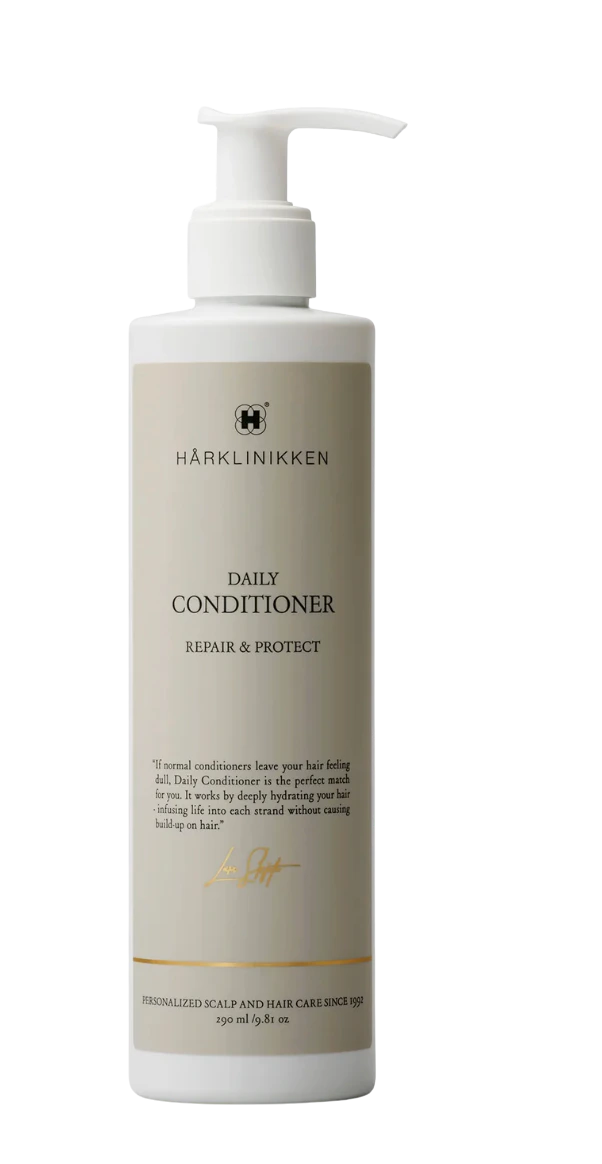
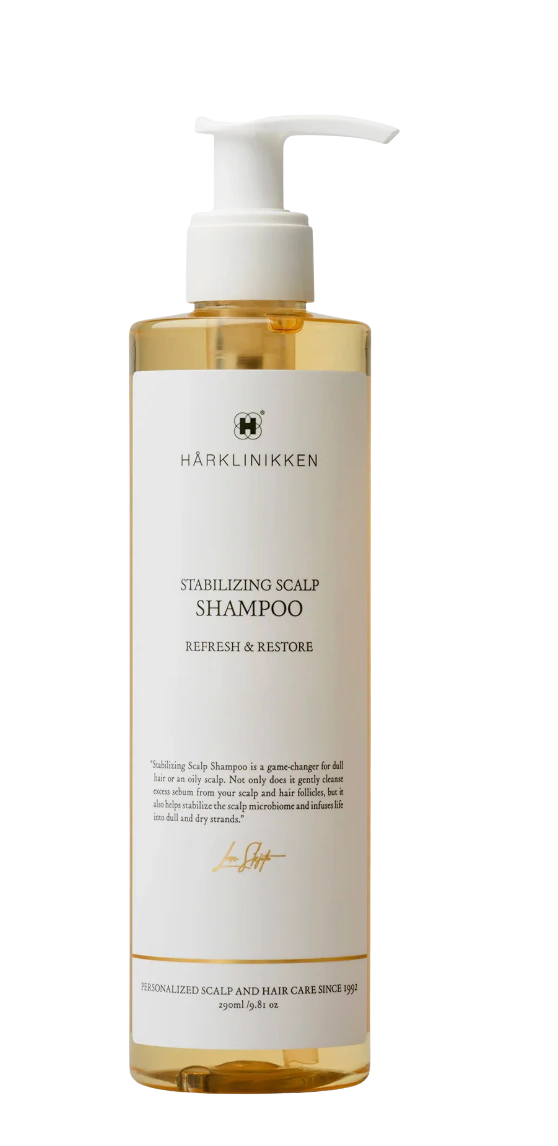
Which brings us to Hårklinikken’s philosophy, and the product that matters most: the scalp extract. Individually formulated, it feeds follicles directly, restoring conditions for healthier regrowth. “The long-term solution for frizz and flyaways,” says Skøth, “is to get more health into the structure. Then it grows out and becomes part of your hair, and over time, the problem is solved.”
DRINK UP
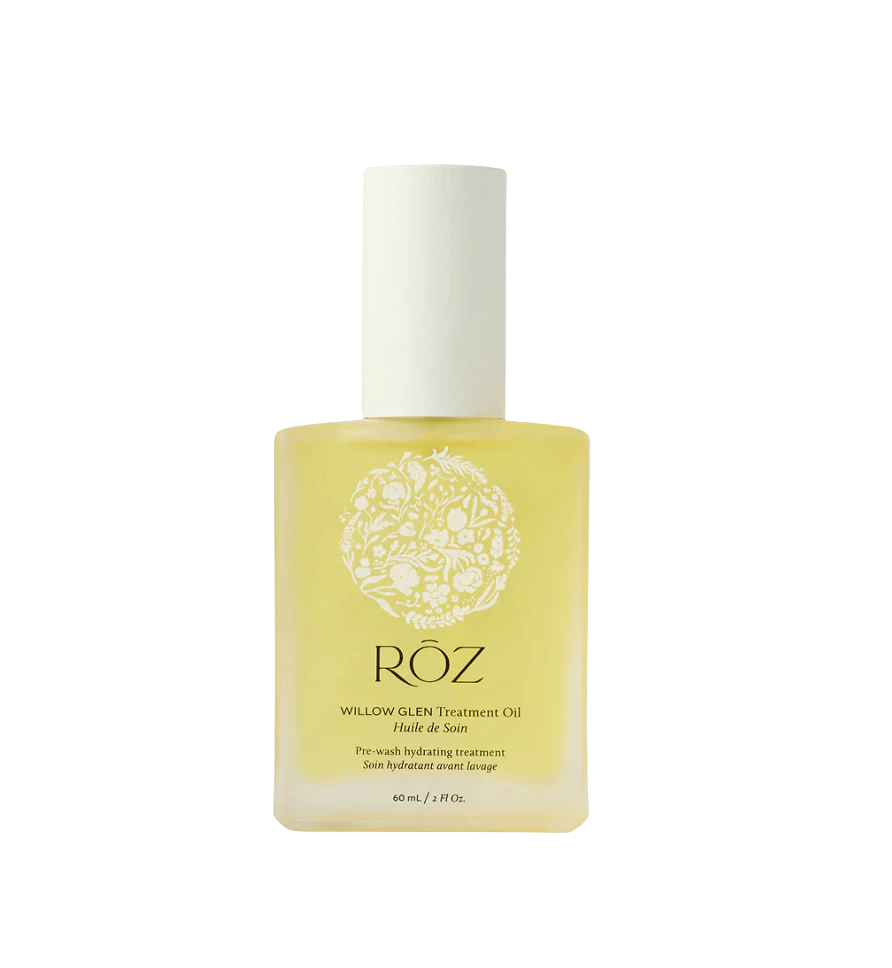
From there, the focus is simple: hydration, delivered efficiently. “Most postpartum hair issues come down to dryness,” says Roszak. “But I don’t want to spend more than 15 minutes on my hair a few times a week.” Her routine starts before the shower, brushing a Roz’s Willow Glen Treatment Oil through dry hair so it can absorb while you sleep or live your life. In the shower, cleanse the scalp, condition the lengths, and detangle so the product reaches every strand. If your hair can take it, she suggests using a mask instead of conditioner.
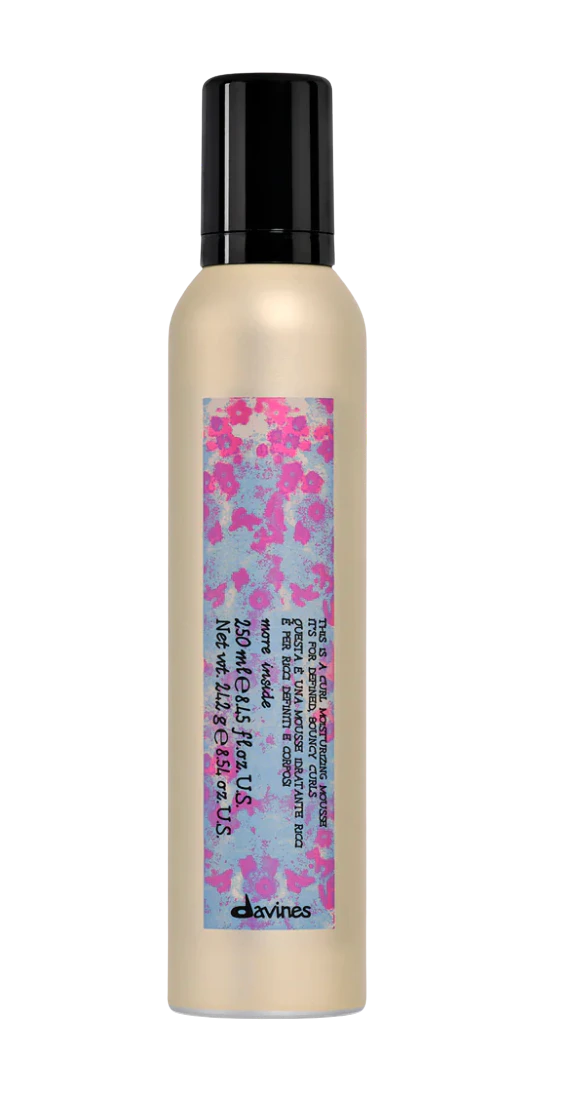
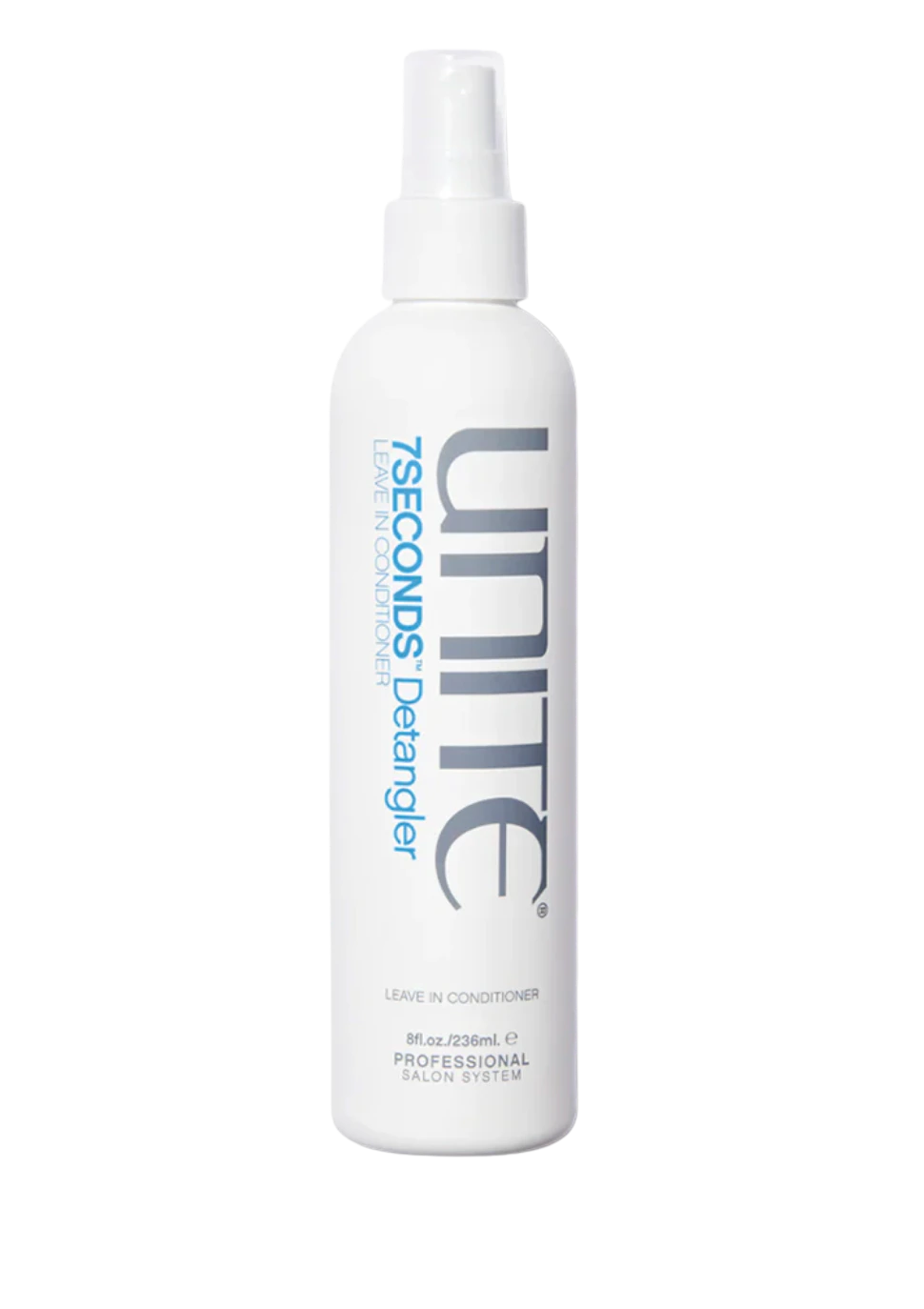
Post-shower, Shaw swears by Unite 7 Seconds leave-in conditioner for wavy hair to “take out the fluff,” and Davines Curl Moisturizing Mousse for curls: control without stiffness. For straight hair, lightweight oils, like those from Roz or Oribe, add gloss without heaviness.
BRUSH UP
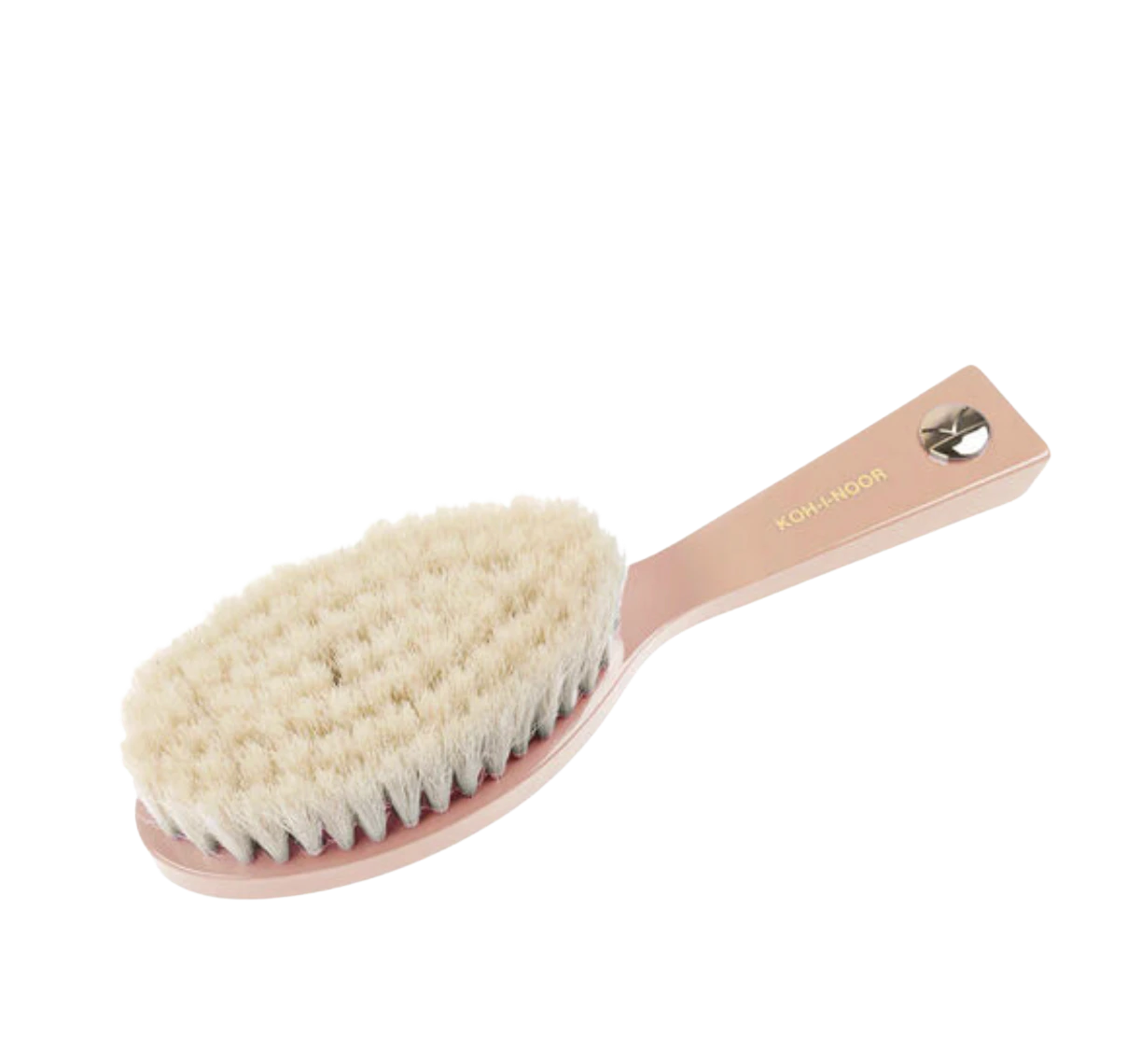
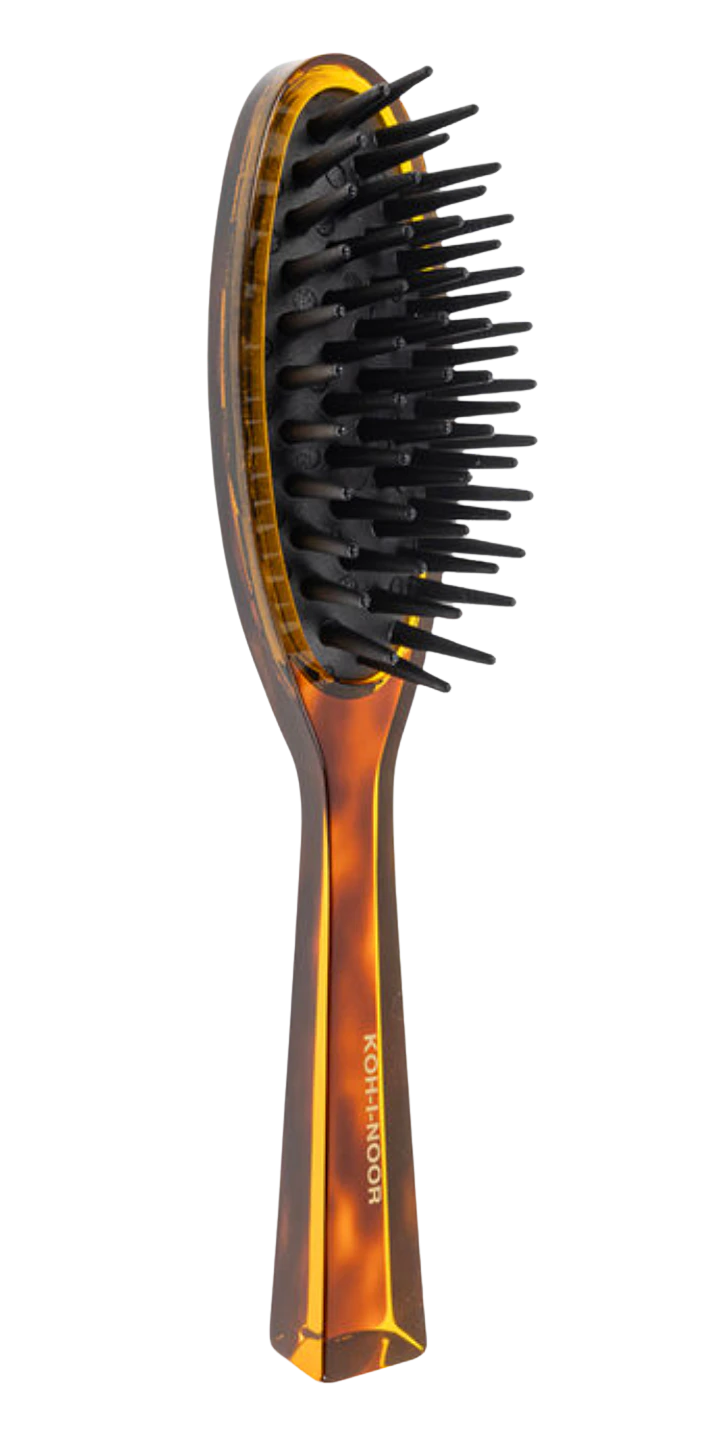
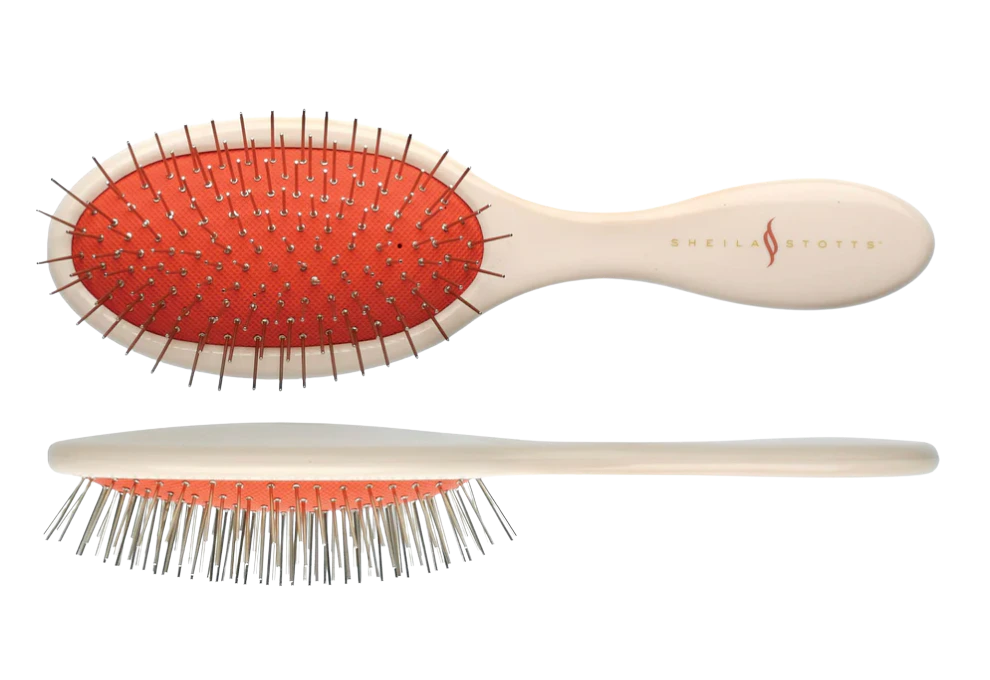
A gentle detangling brush is imperative. Roszak swears by Sheila Stotts’ Untangle Brush, adding that she also uses it on her six-year-old’s curls. When used in the shower, “It makes sure the product goes through every strand,” she says. “You’re not just rubbing it on the surface and hoping.” On dry hair, this writer has found a collaborative partner in Koh-I-Noor’s boar bristle and nylon faux tortoise brush (they also make a darling and incredibly soft goat bristle Baby Brush), which stimulates the scalp and smooths the hair while gently detangling.
CALL IN THE PROFESSIONALS
Shaw insists a visit to your stylist for a gentle reshaping “takes away from the ‘I just want to look how I did before’ feeling.” Her prescription? Blunt cuts thicken limp straight hair. Loose layers coax waves into front-to-back cohesion. And newly curly hair benefits from a strong line with layers around the perimeter for bouncy movement.
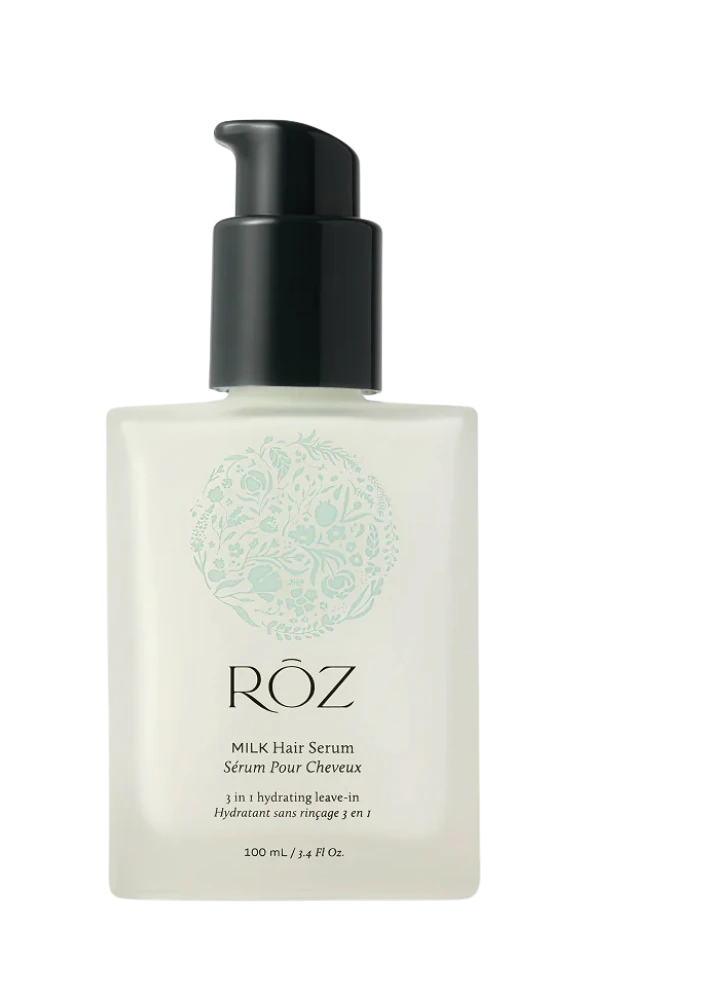
Armed with a new arsenal of products and tools, I go to see my longtime stylist, Joey Silvestera at Blackstones. He takes one look at my limp, frizz-prone front and cuts in free-moving layers. Almost immediately, natural undulations appear, echoing the curl pattern at the back of my head instead of fighting it. Following one St Meto mask, a single wash and condition with Hårklinikken, and a veil of Roz Hair Milk, my hair regains enough shine and depth—with frizz notably subdued—that a friend points it out and asks if I’m pregnant again.
As for the miniaturization, time will tell. But my goal is no longer restoration; it’s improvement, creating more favorable conditions for my hair than I ever gave it before. Skøth tells me he sees women who move through childbirth, perimenopause, menopause, even illness, and still arrive in their sixties with hair that is fuller, healthier, and more resilient than it was in their thirties. Not because nothing happened to them. But because they learned how to respond.


Mackenzie Wagoner is a freelance writer, editor, and brand builder based in New York. A former editor at Vogue, Architectural Digest, and Into the Gloss, she has been pregnant three times, grown three babies and (soon to be four), and is the mother of one free-spirited, determined living toddler.