Getting Sticky with Elizabeth Zwillinger
“Pushing through” intense PMS shouldn’t be considered the norm.
In partnership with our friends at Biologica. Photos by Samantha Cooper. Words by AnaMaria Glavan.
The supplement space is sticky. Pun intended. The reason it’s sticky is three-fold. We’re glued to our phones, which makes every new product launch feel like the one. A lot of clinical trials for supplements aren’t tested on women. And it’s genuinely hard to know what you, as an individual, should and shouldn’t be taking—and what will counteract what.
Take calcium. Too much of it can inhibit iron absorption, which is a problem when many menstruating women are already iron-deficient. This isn’t common knowledge (far from it). We only know because Elizabeth Zwillinger, founder of Biologica, explained it to us over a Niçoise salad at SoHo’s La Mercerie.
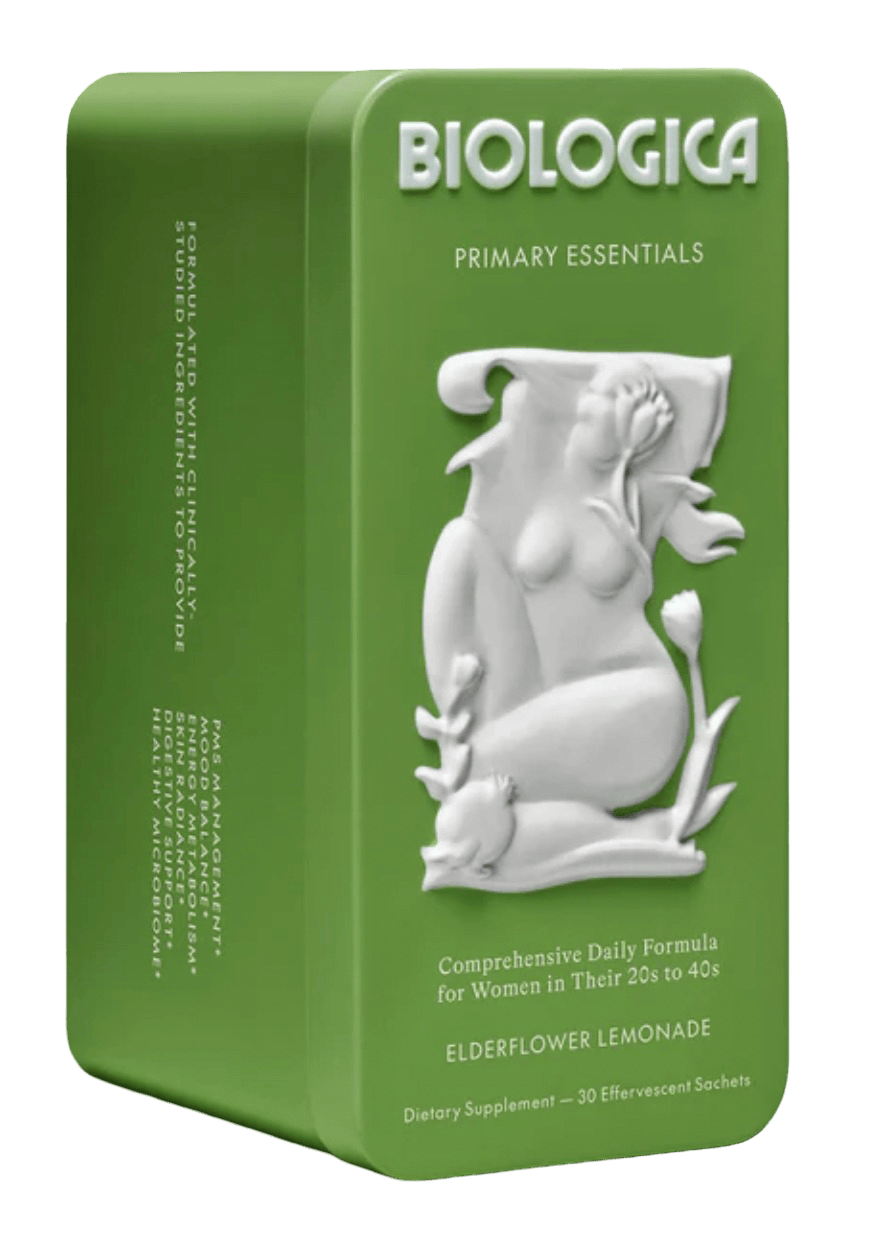
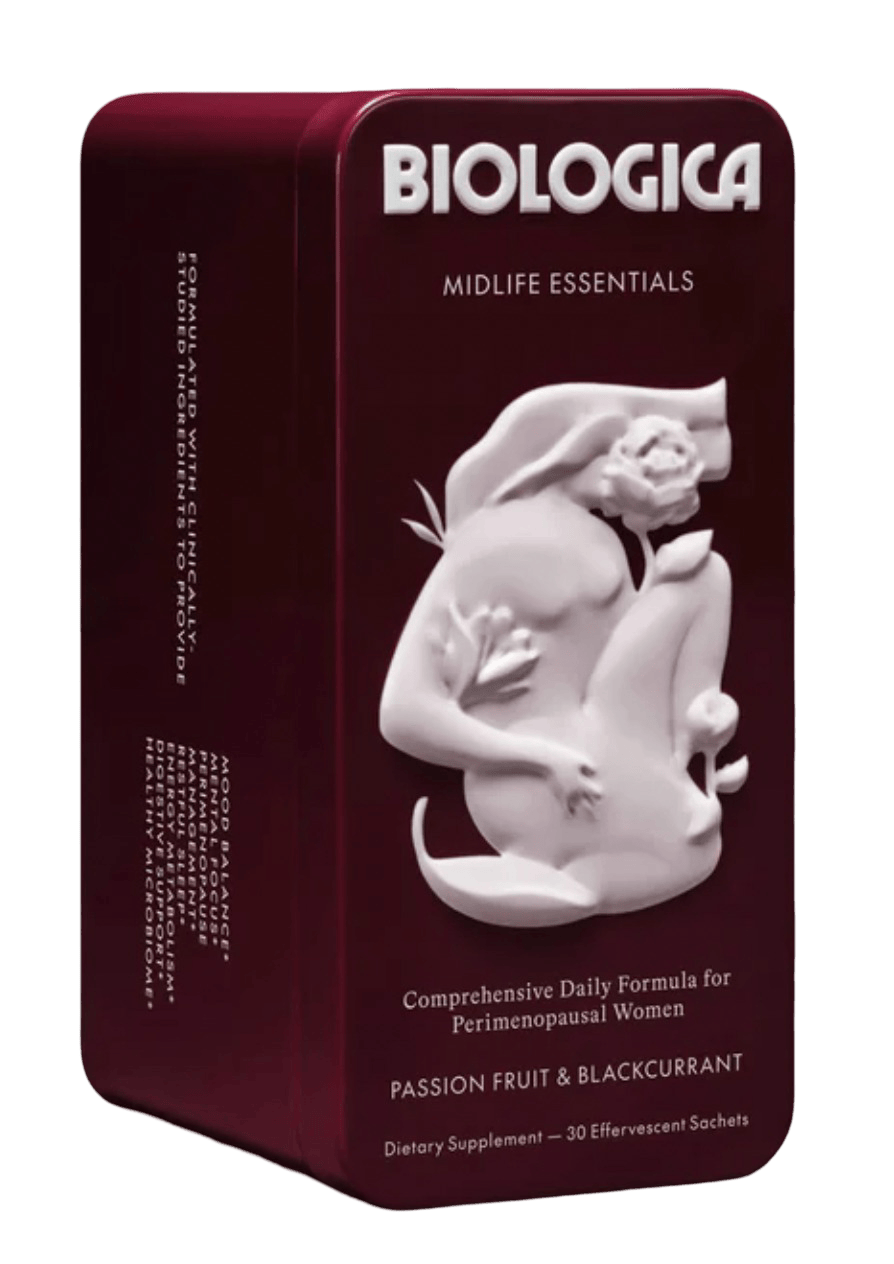
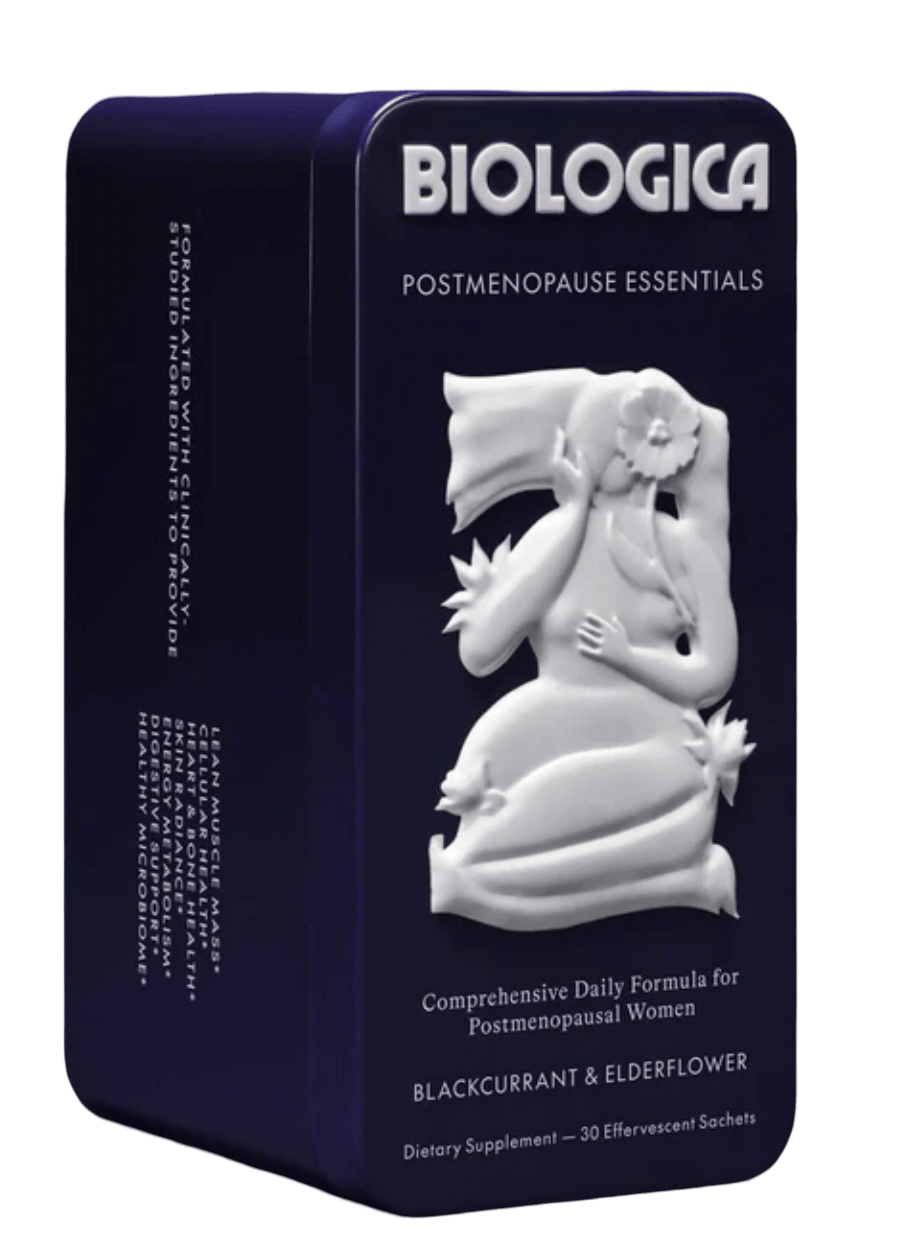
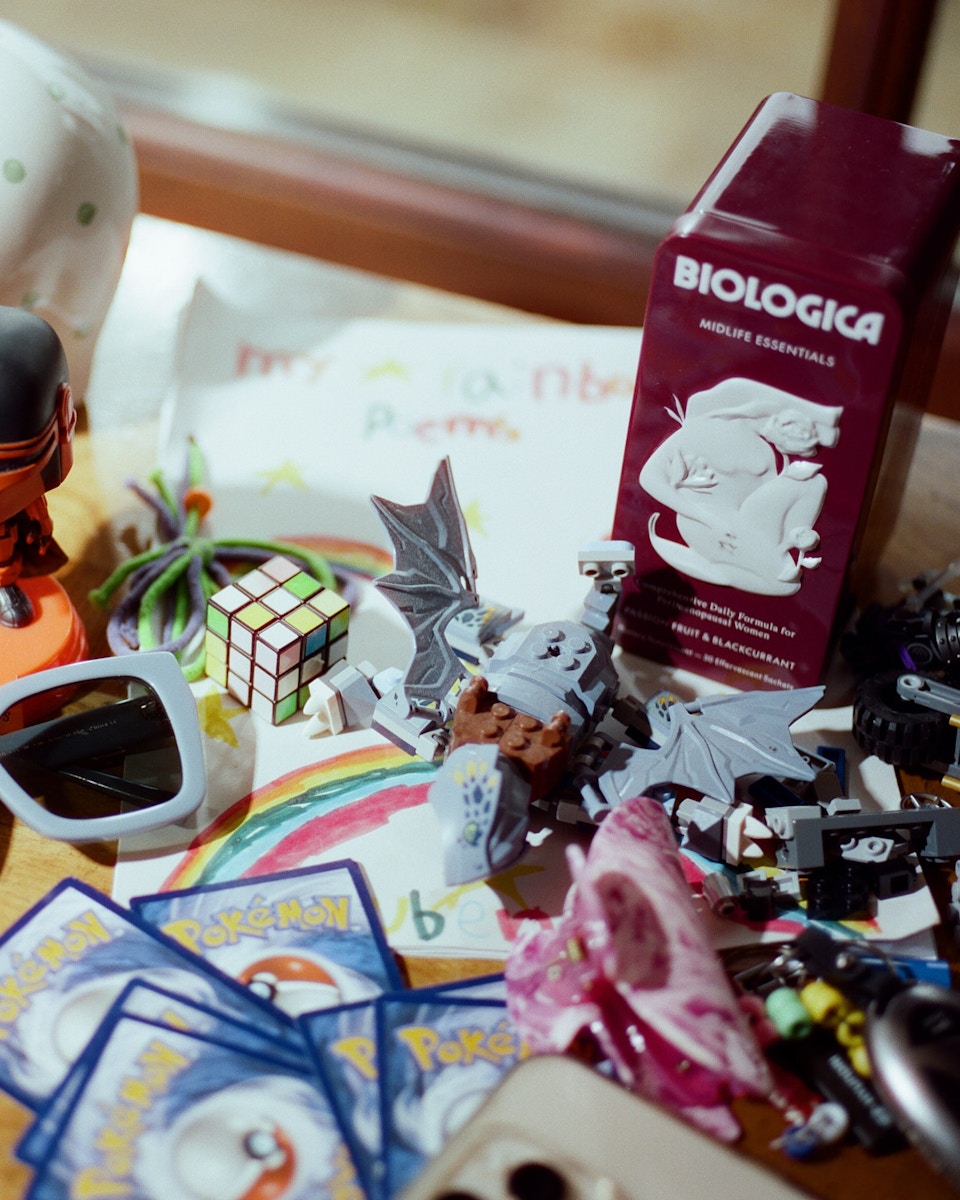
Elizabeth learned this the hard way: by spending an inordinate amount of time in her pantry mixing potions (read: powder supplements and pills) in search of relief from the intense PMS she experienced each month—symptoms that were exacerbated by PCOS and stretching into three-four-five-day territory as she entered perimenopause. The solution didn’t exist, so she decided to make one herself. Enter Biologica: a supplement brand formulated by doctors for different life stages, clinically tested on women, in a powder form that tastes great. Emphasis on the italics there.
Below, we spoke with the Biologica founder about taking a step back from practicing law while her husband, Joey, built Allbirds; the intense monthly rage that led her to saffron; and the silver lining of having twins as a first-time mom. “I didn’t have time to obsess over whether I was doing everything perfectly.”
Everything is a season, and seasons change
I was working as a lawyer—divorce law— helping women during one of the most challenging times in their lives. I was guiding them through what is often the largest financial transaction they’ll ever make during a time when they’re not exactly thinking clearly.
When Allbirds launched, my husband’s work became such an integral part of his life, and therefore my life, too. There’s an old-fashioned idea that one partner works and the other supports them, and historically that often meant a woman handling life logistics. Our partnership was a 21st-century version of that. Yes, I did all of that logistical support, but I was also part of his work life. We talked about his work nightly and I became his trusted confidant. That dynamic worked for me because I had more flexibility than he did, but it was also very hard because I wasn’t getting any credit or public recognition.

"There’s an old-fashioned idea that one partner works and the other supports them, and historically that often meant a woman handling life logistics. Our partnership was a 21st-century version of that. Yes, I did all of that logistical support, but I was also part of his work life."
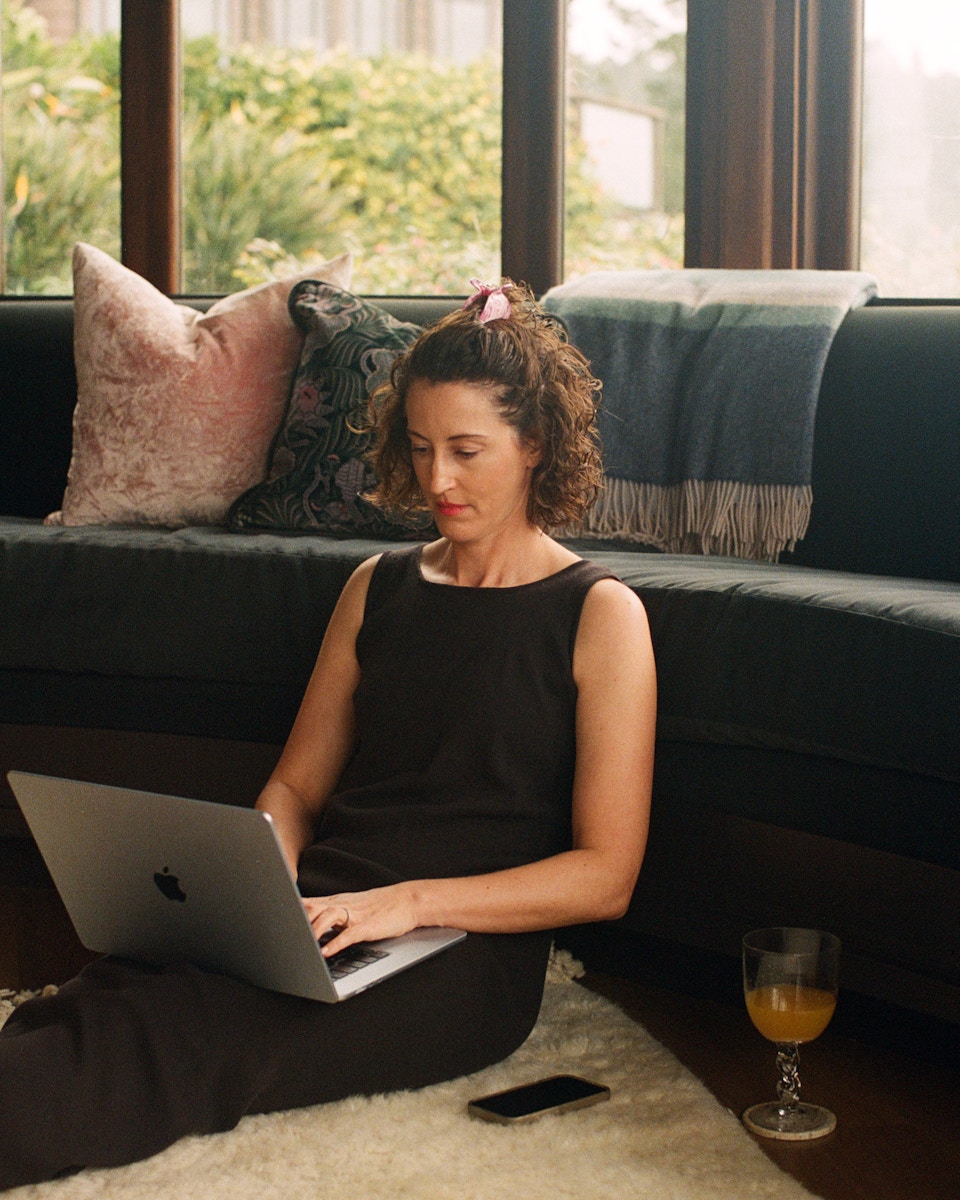
It was COVID and I had two first graders and a preschooler, so I stopped working to stay home with them. I felt incredibly isolated. Some days I would go from the playground to the grocery store to home, and that was it. Not just for days but for weeks. That was my entire existence. I really missed the intellectual stimulation and the human connection that comes from working.
Meanwhile, my husband was having all of these life experiences. Traveling, going to conferences, meeting people. He was living a very dynamic life and my life felt really one-dimensional. But that was just one season of my life. Now, doing Biologica feels like it’s my turn to do something mission-driven. I get to be the one out in the world which adds dimensionality to this season of my life.
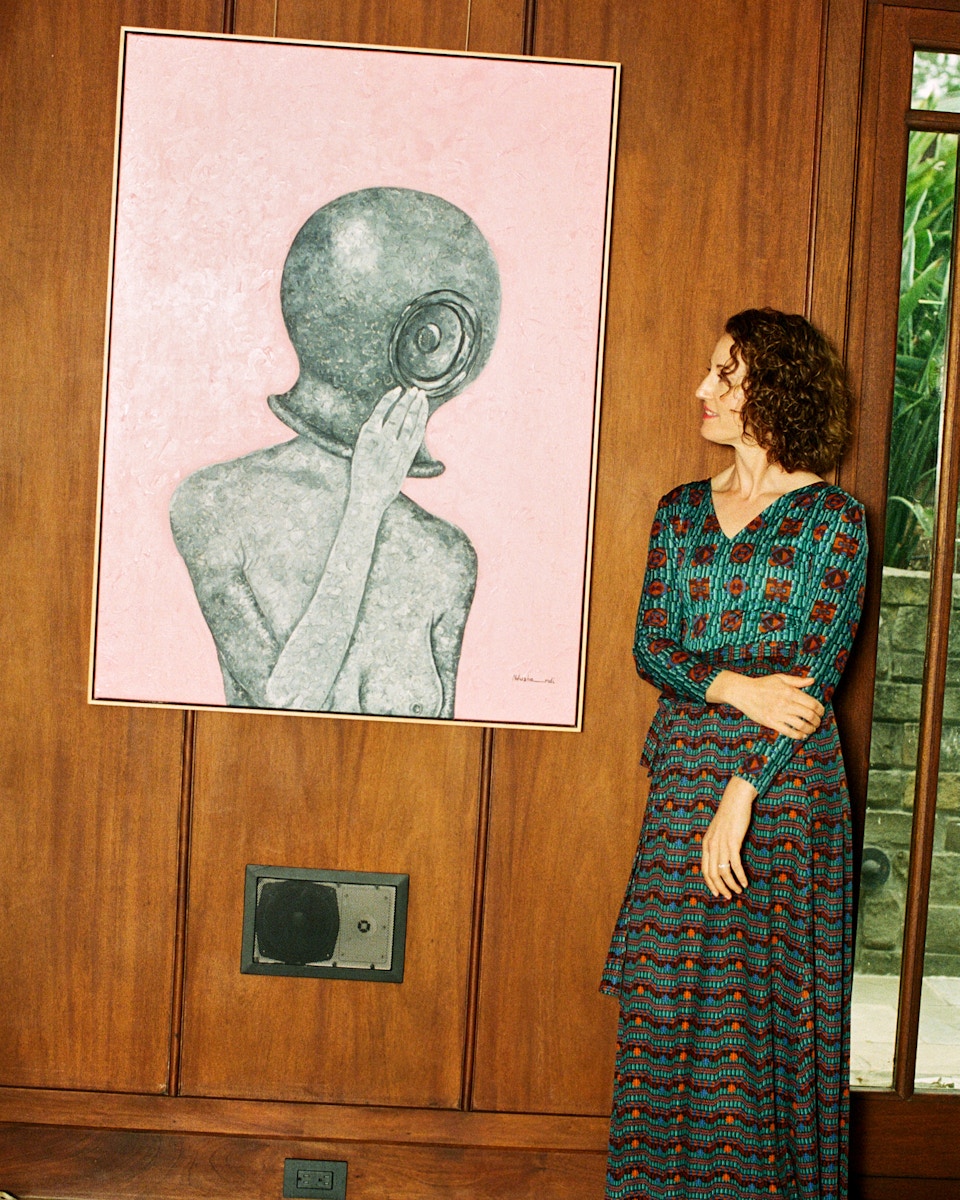
Why do we have to “push through” this in the first place?
I have polycystic ovarian syndrome. For two days a month for as long as I can remember, a dark cloud would come over me. I’d have this really intense depression, rage, and anxiety, and nobody could help me. I would constantly just push through it. My OB-GYN, who I adore and who delivered all three of my kids, said to me, “Look, PMS is real, but it’s also possible your husband’s an asshole.” That was literally what she said. Which is funny but also… that was it. The takeaway was that I should consider changing my birth control. So I started looking into it myself. What else is out there? What other options exist?
As I got older and moved into perimenopause, the irritability around my period went from two days to four or five days. And when you’re experiencing that every single month, it’s a lot. Reflecting back, I had honestly never felt happier than when I was pregnant. That was when my mood felt the most stable. So I started researching alternatives and came across saffron, which is incredible for mood stabilization. (That’s what I’m using now with Biologica and I’m not exaggerating when I say I can finally get through my cycle without that same level of rage.)
"I have polycystic ovarian syndrome. For two days a month for as long as I can remember, a dark cloud would come over me. I’d have this really intense depression, rage, and anxiety, and nobody could help me."

I was in my pantry mixing pills and powders, trying to take four or five different things just to feel like myself again. A lot of companies sell mood support packs or sleep supplements, but you’re still responsible for piecing together everything else you need without knowing how ingredients interact or if there are conflicts.
For example, we all need calcium. You also need iron when you’re menstruating. If you take too much calcium, it actually inhibits the absorption of iron, so they need to be in the right balance. And I don’t want to spend my free time listening to podcasts about this stuff. It’s so overwhelming.
And look, some people love getting blood drawn and figuring out exactly what they’re deficient in and doing the protein math. They enjoy it. But most women don’t want to spend their time doing that. They get overwhelmed and either do nothing, or they start something, spend a ton of money on different supplements, and then they all just sit in the pantry. Eventually they expire, and you throw them out.
So I kept thinking: why can’t we create one product that gives you what you need for your baseline health? Not seven or eight pills plus a smoothie with four different powders. That’s how Biologica was created. It came directly from standing in my pantry thinking, “This is too much for me.”
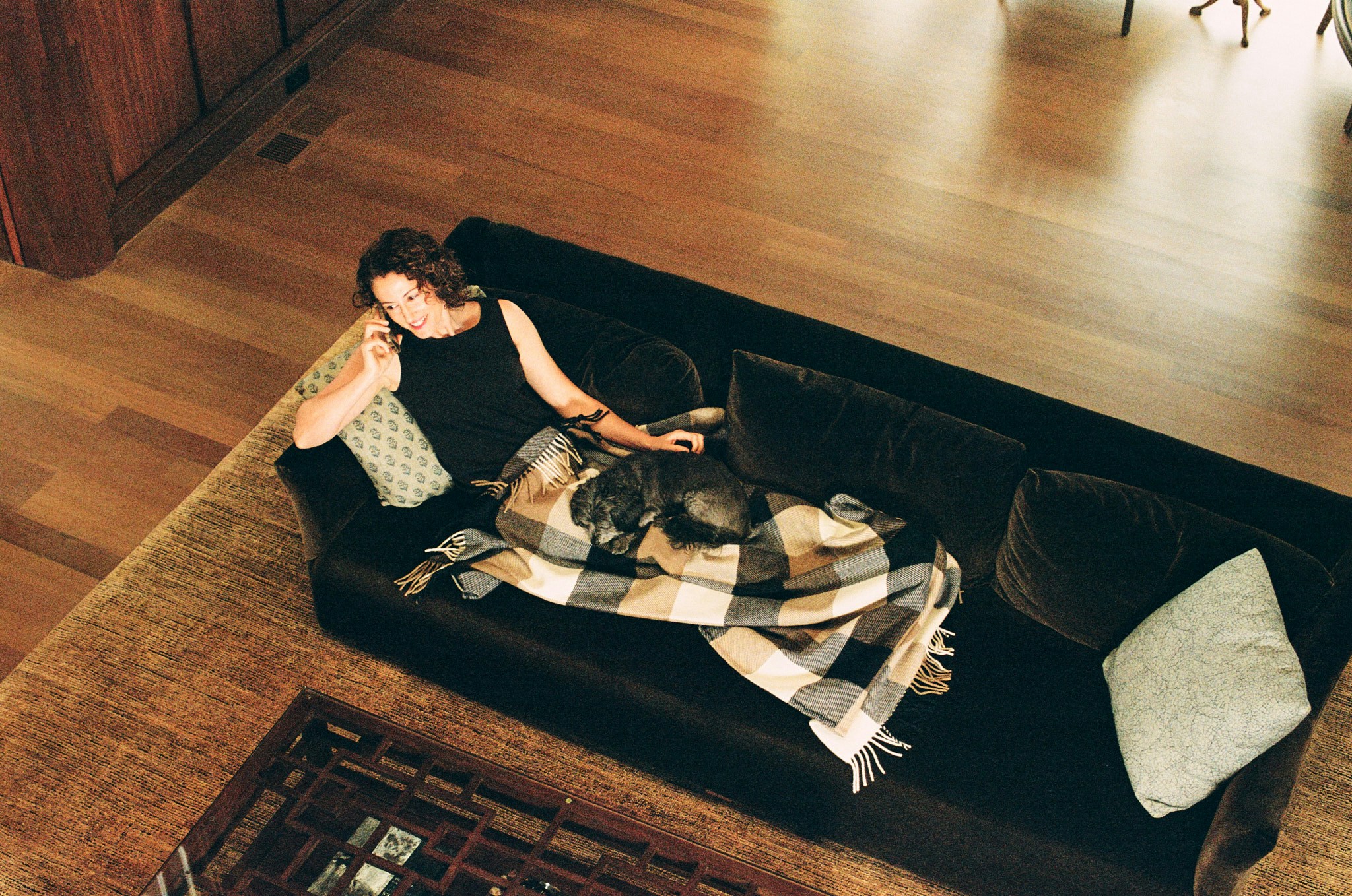
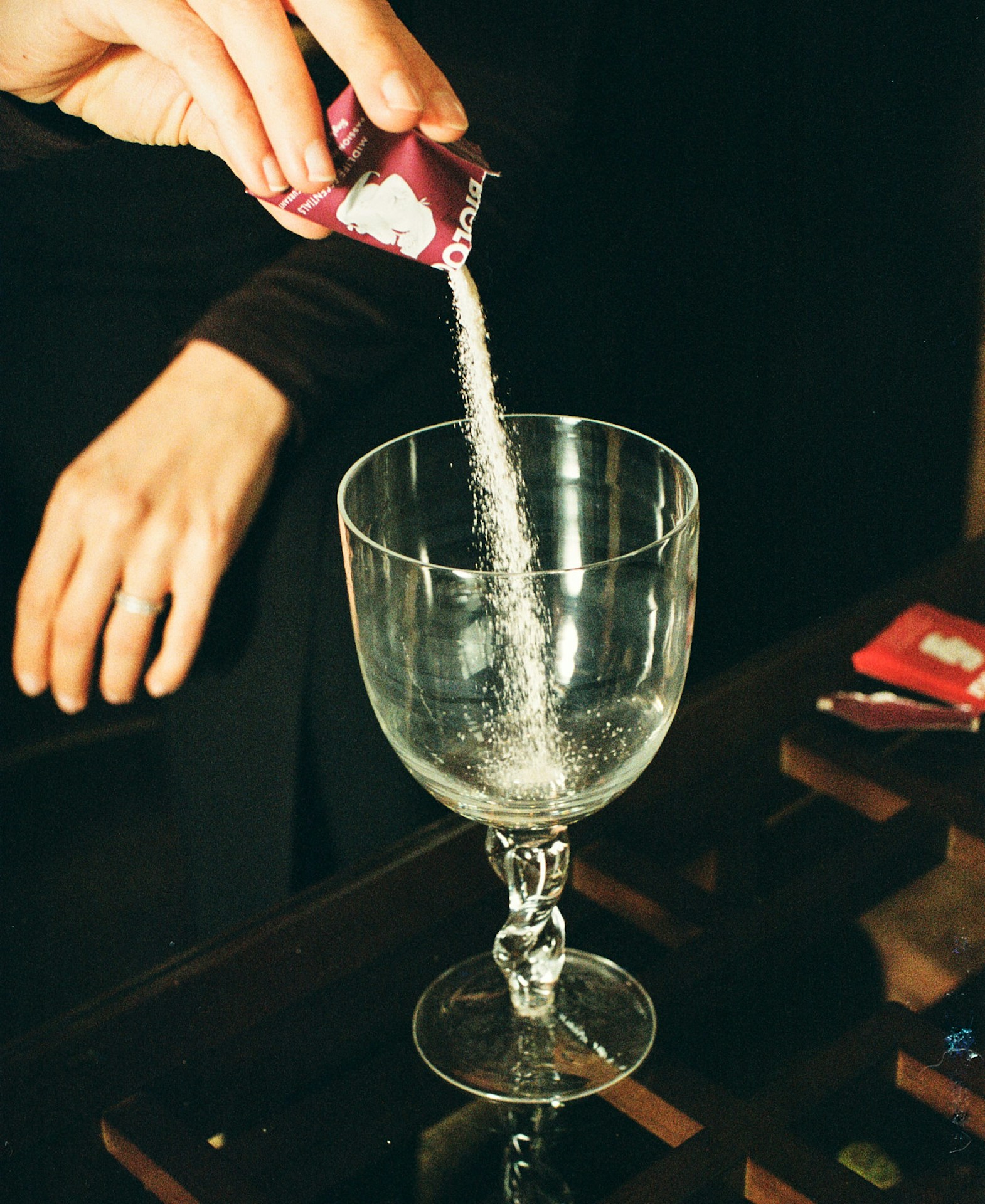
Supplements are one slice of a much larger pie
At Biologica, we looked at a woman’s biology to identify the most important underconsumed nutrients and the most acute hormonal symptoms women face at various stages of their lives. Because we formulated each of our products for a specific hormonal stage, we were able to deliver clinically-backed ingredients to help exactly where each woman is in life.. To me, that felt like the most universal way to create something that could help the greatest number of women.
Many brands sell supplements and one-off ingredients that don’t have clinical studies backing them, and it’s extremely rare to find studies on women participants. They might help you, they might not, but you’re essentially just buying things randomly off the internet. With Biologica, every single ingredient we include has clinical studies that were done on women and show the ingredient actually helps with what we’re claiming it helps with, at the dosages that were tested.
Biologica doesn’t have a single hero ingredient, and honestly, that makes marketing harder. We don’t have one flashy thing making wild claims. Fundamentally, what matters is getting the nutrients you need on a consistent basis for your physical and mental health. That’s the core of it.
Women are smart enough to know that health isn’t just supplements. You still need to eat well, move your body, and have whatever mindfulness practice works for you. All of these things build on each other. It’s never just one thing in isolation.
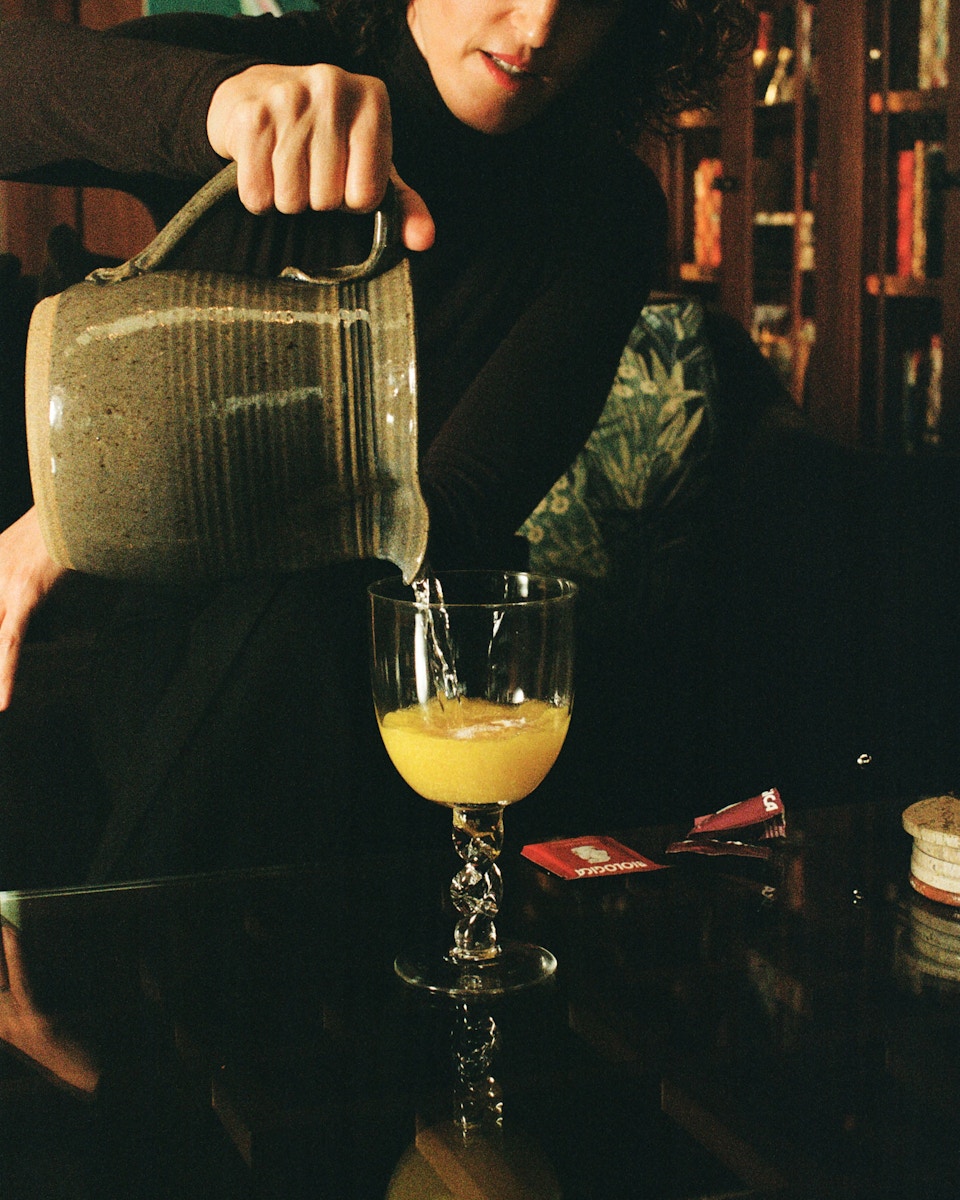
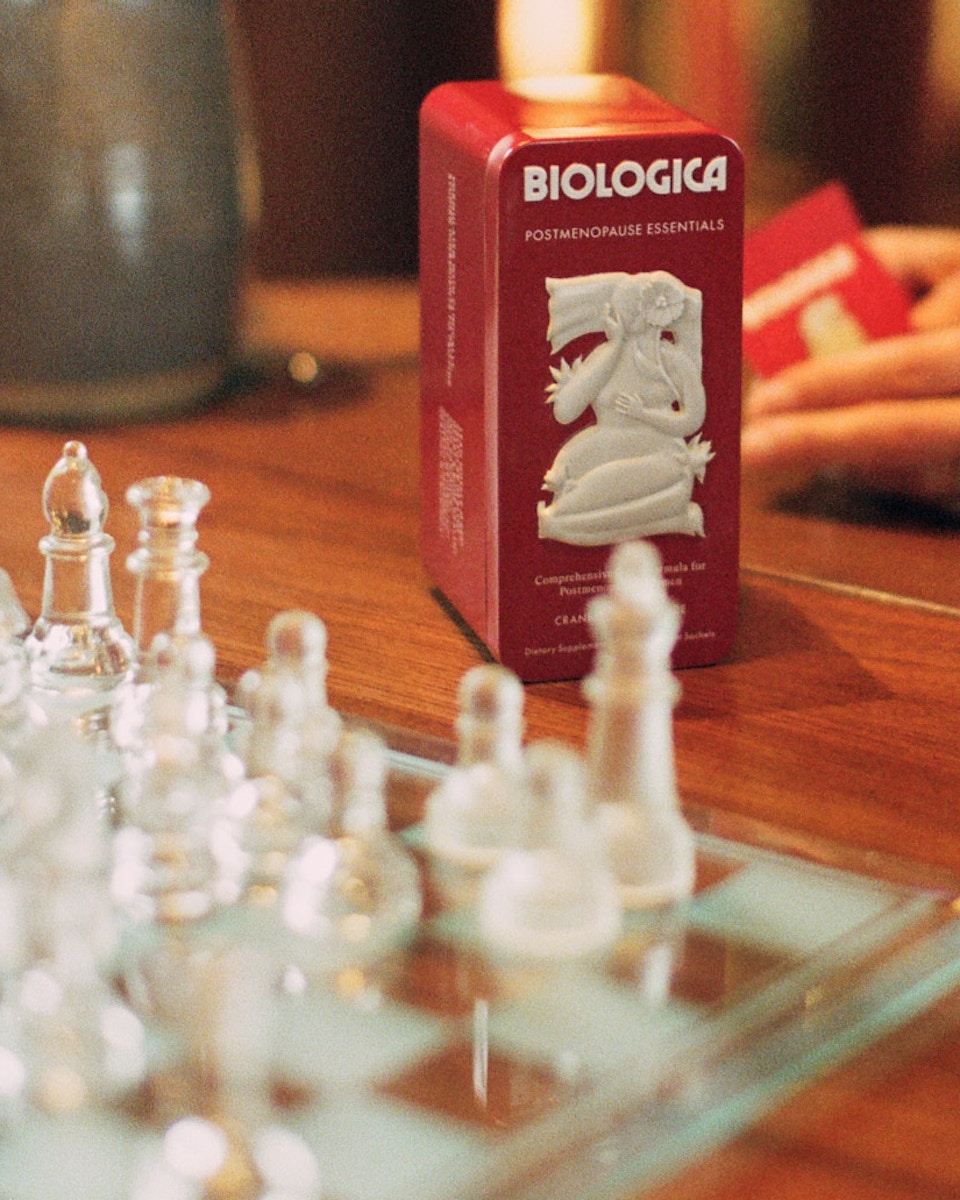

Yin vs. Yang
One of our medical advisors, who’s an OB-GYN, always says that everyone should track their period in whatever way feels least anxiety-producing, whether that’s an app or just notes on your phone. Just record how you feel and it will reveal the patterns tied to your cycle.
Being a woman is really unique in that way. The symphony of estrogen and progesterone cycling through our bodies every month is wild and beautiful. Our hormones aren’t meant to be “balanced.” We don’t use that language, because it’s the fluctuation that makes us unique and able to have babies—but it also creates real symptoms we have to live with.
When estrogen is peaking, energy is higher. That’s the yang. The second half of the cycle is progesterone-dominant, which is yin. You’re calmer, slower, maybe a little lazier. That’s what it feels like. But there’s also less joint laxity then, because estrogen is linked to ligament flexibility. That makes you more prone to injury in the second half of your cycle–particularly during perimenopause. So it’s not just that you don’t feel like doing a HIIT workout. Your body is literally telling you this isn’t the right time. And most people don’t know that.

"The symphony of estrogen and progesterone cycling through our bodies every month is wild and beautiful. Our hormones aren’t meant to be “balanced.” We don’t use that language, because it’s the fluctuation that makes us unique and able to have babies—but it also creates real symptoms we have to live with."
When estrogen is peaking, energy is higher. That’s the yang. The second half of the cycle is progesterone-dominant, which is yin. You’re calmer, slower, maybe a little lazier. That’s what it feels like. But there’s also less joint laxity then, because estrogen is linked to ligament flexibility. That makes you more prone to injury in the second half of your cycle–particularly during perimenopause. So it’s not just that you don’t feel like doing a HIIT workout. Your body is literally telling you this isn’t the right time. And most people don’t know that.
Cycle syncing is becoming more talked about now, but historically it’s mostly been framed around pregnancy. We’re just not taught that our bodies are different and that our cycles require different things at different times.
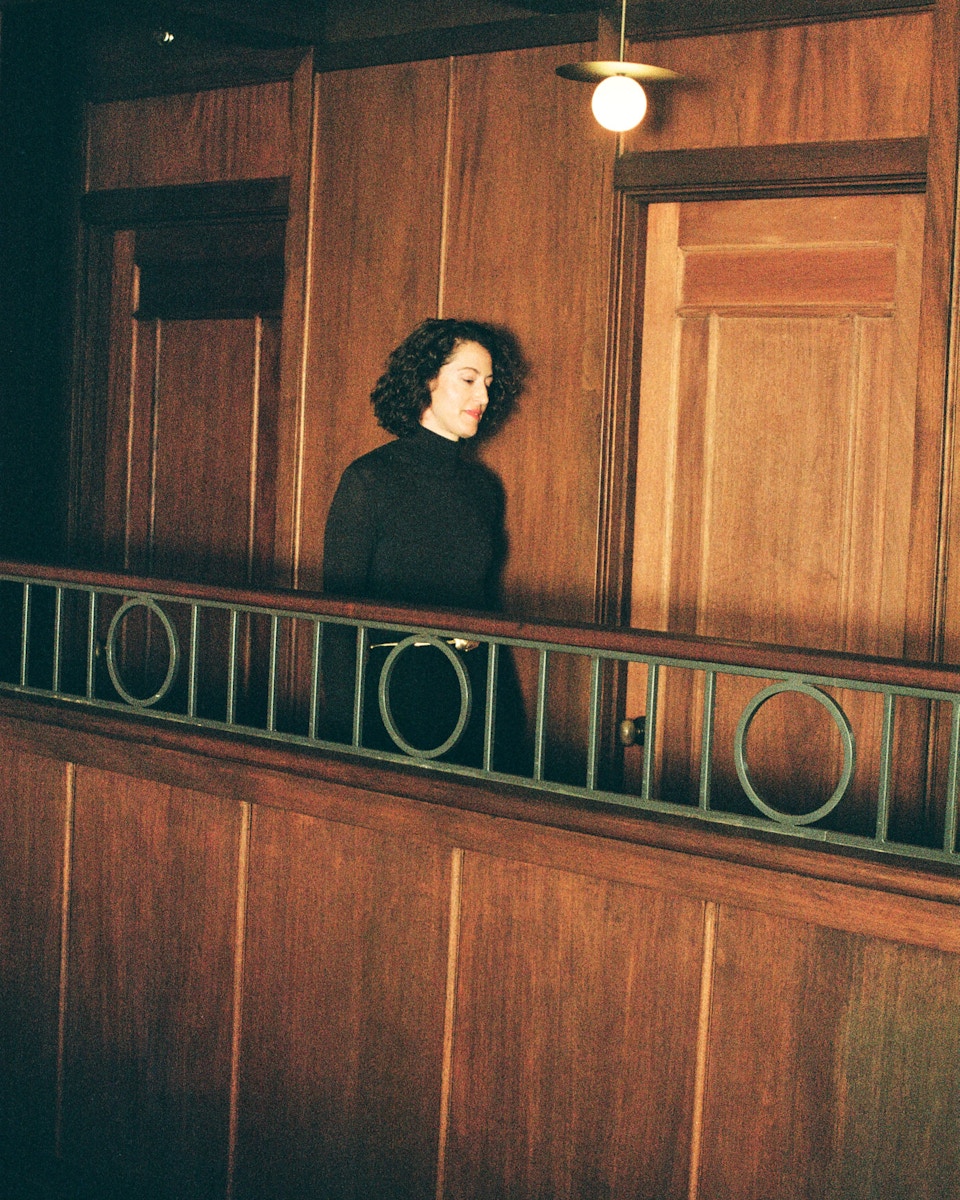
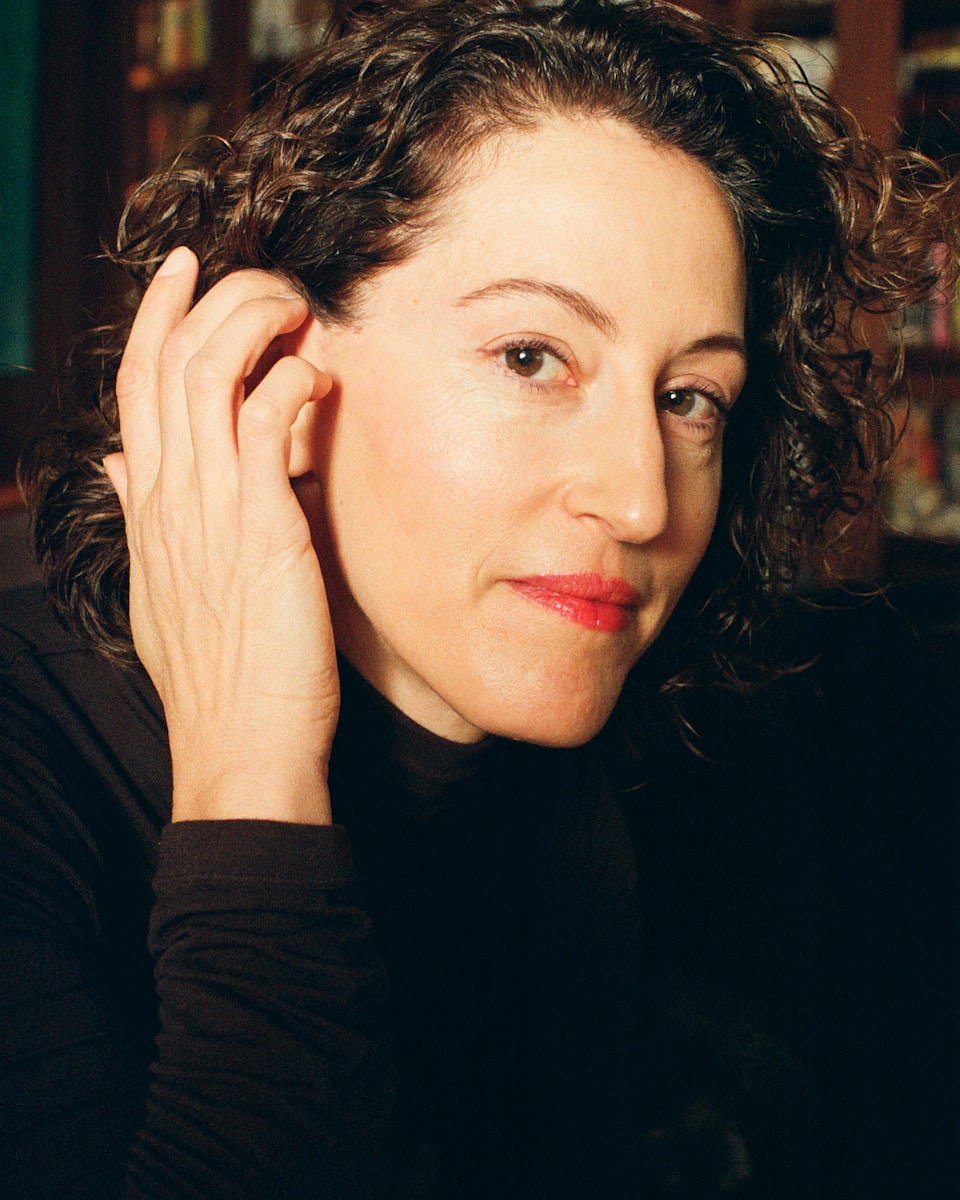
Being too preoccupied to fall down the Google rabbit hole can be a very, very good thing
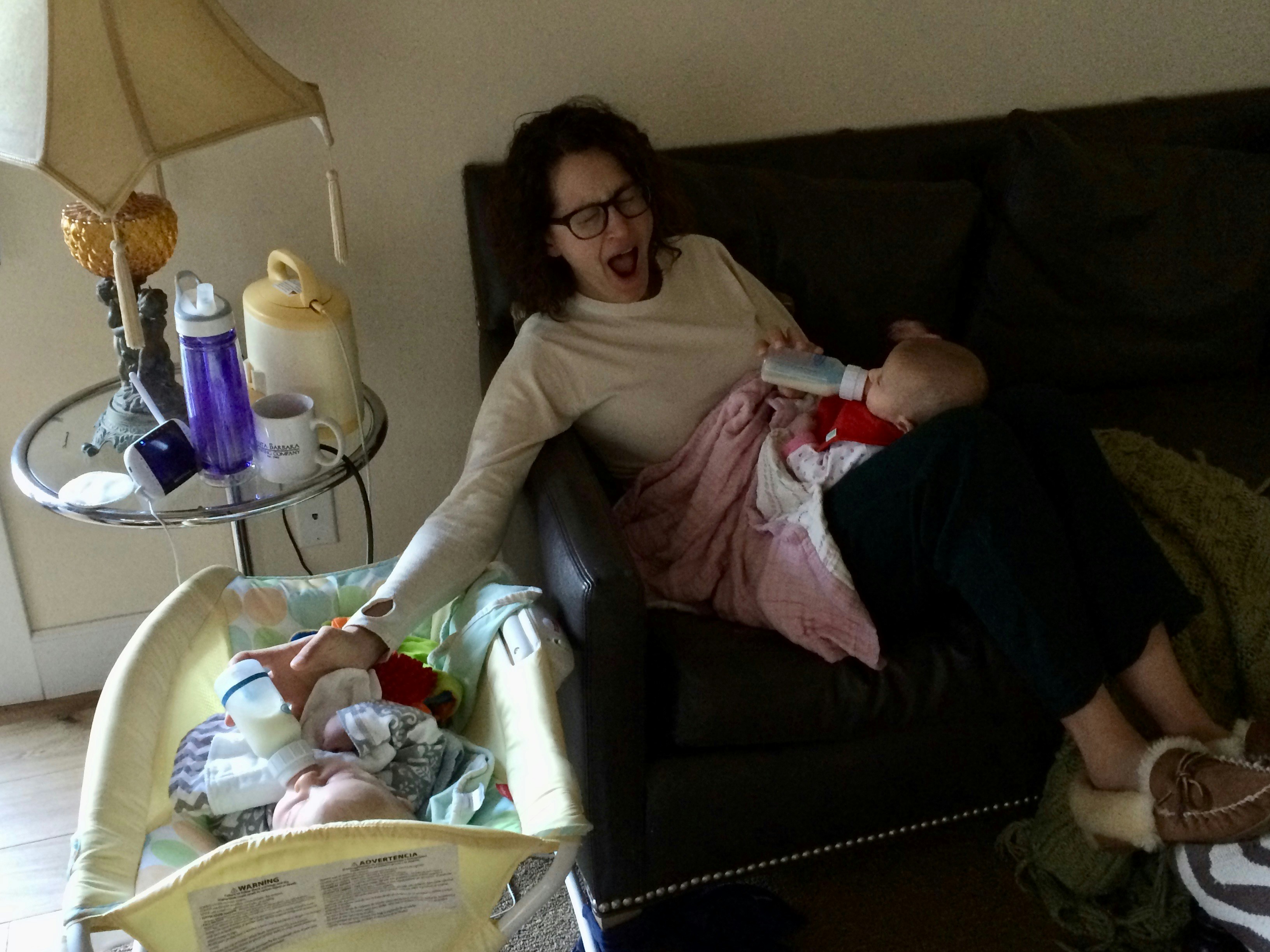
Twins are both a blessing and, hmm, “curse” feels too strong of a word, but there are real challenges. As a first-time mom, you’re already clueless, and then you have two babies at once! You’re learning everything times two.
One silver lining I didn’t expect was that I didn’t have time to obsess over whether I was doing everything perfectly. I wasn’t going down Google rabbit holes when it came to things like first foods. I had to learn to be ok with “good enough”.
The same with feeding. I had to give myself a break on breastfeeding because I had two babies. We integrated formula from day one in the hospital. I breastfed and supplemented right away, which took a lot of pressure off. I think some of the pressure first-time moms feel gets stripped away with twins because you’re like, “I just have to do what works.”
The other big thing about having twins is that you immediately see how different babies are. With your first, you might think, “My baby sleeps well because of this swaddling technique.” But with twins, you use the same technique on both babies—and one sleeps great while the other is a disaster. You realize pretty quickly that it’s not you. They just come out different. That’s also been really helpful as they’ve gotten older. One potty trains easily, the other doesn’t. One completes her homework without parental supervision, the other doesn’t. You stop taking everything so personally and realize how much of it is nature.
I didn’t have the bandwidth to watch YouTube videos or research special techniques. Someone dropped off a BabyBjörn, I put a baby in it, and that was it. I was able to cut through a lot of the noise in my own head. I relied on what was easiest.
And truthfully, so much of the noise doesn’t actually come from other people, it comes from your own sense of guilt and obligation. “Am I doing this right? Am I good enough at this?” Having twins forced me to quiet that voice because I didn’t have time, someone had to be fed or a diaper had to be changed.
"One silver lining I didn’t expect was that I didn’t have time to obsess over whether I was doing everything perfectly. I wasn’t going down Google rabbit holes when it came to things like first foods. I had to learn to be ok with “good enough”."
Reframing the dreaded groceries-from-trunk-to-kitchen conversation
My job is to raise my children so they can make good decisions… because I’m not going to be with them for every decision. What’s worked for us is treating our kids with a lot of respect and talking to them like adults. We always have. They read The Week Junior, which is a weekly magazine about current events, adapted for kids but not dumbed down. They talk about wars, laws, real things.
When Roe v. Wade was overturned, we talked about it at the dinner table. We talk about tragedy when it happens in our community. We don’t pretend it doesn’t exist. We explain, in an age-appropriate way, what’s going on in the world. I think when you try to shield kids from everything, they grow up without context and then they’re shocked later when hard things happen. If you include them in the daily fabric of life, the highs and the lows, they become more empathetic. It also makes them more prepared when those experiences eventually happen to them, because they remember that other people have gone through similar things.
It gives perspective. It helps contextualize things like middle school drama, not by minimizing their feelings but by helping them understand where things fit in the bigger picture.
Every kid is different, of course, and they respond differently to different approaches. Just this week, I did a big grocery haul and my car was completely full. I got home and called my son and asked him to help me unload the groceries. He was finishing a video game and asked, “Can I do it in three minutes?”
I had a choice. I could say, “No, we have milk and eggs, come now,” or I could say, “Okay, can you really do it in three minutes?” I chose the second option. I brought in what I had in my hands, left the rest in the car, and three minutes later he came out and unloaded the car. Afterward, he said to me, “Mom, I’m much more likely to help when you give me that three-minute window instead of saying ‘right now.’”
That really stuck with me. I realized I was basically saying, “Stop what you’re doing. Do it now,” and I hadn’t thought about it that way before. But really, I was treating him with respect by acknowledging that he was in the last three minutes of a game. It was like, “Finish it, and then help me,” instead of, “You have to do this right now because I said so.”
Of course, there are limits. It’s not a democracy all the time. I’m not going to wait around while you finish a video game whenever you want. But it’s important to remember that they’re their own people. They’re not robots.

"It’s all about nuance. If you cater too much, kids can start to feel like you work for them. But if you’re too rigid, they don’t feel respected. Parenting is incredibly dynamic in that way, which is why advice is so hard."
Mom can’t be at every single basketball game. That is fine.
It’s all about nuance. If you cater too much, kids can start to feel like you work for them. But if you’re too rigid, they don’t feel respected. Parenting is incredibly dynamic in that way, which is why advice is so hard. What works today might not work in three months because your child has changed. And everyone’s kids are different, every family dynamic is different. That’s why I don’t like to give universal advice. I believe in sharing what works for me, in my situation, with my kids, and letting people take from it what they want.
For me, explaining the “why” matters. A good example is clothes. We live in California, where everything is very casual, but I grew up on the East Coast. If we’re going to someone’s house for dinner and my kids are in stained sweatpants and Crocs, I’ll tell them they have to change. And when they ask why, I explain: “I’m not asking you to dress up. Just put on a clean pair of sweatpants. When you show up in dirty ones, it sends the message that you didn’t care that someone cooked for you.”
It’s the same with how I explain my own needs. If I miss a basketball game, I won’t default to saying “I had work.” I’ll say that I had dinner with a friend I hadn’t seen in a long time, this was the only date that worked for her, and I really needed this alone time. My kids understand that. They understand that their parents are people, too.
More from our friends at Biologica

"Despite the fact that 100% of women will transition through menopause, the medical community often lacks the specific nutritional training to support it."
from Dr. Maggie Luther, ND, RH (ahg) VP Regulatory & InnovationDr. Radhika Kakarla