Dissociating My Way Through Motherhood
Words by Kaitlin Menza
This is a revolting way to begin but we’ll get through it, together.
I realized my nervous system had been entirely rewired by motherhood one night when I was showering with my toddler, then about 18 months old. He grunted gently and then pointed behind him, a generous gesture to let me know he had just pooped on the tile floor. I panicked not at all, but instead held him back with one hand and scooped the poop with the other, leaning out of the shower to toss it into the toilet. I used my body wash to scrub the spot where it had landed, and then my own hands, and then his butt. Not once during this 60-second interruption did my heart rate race, or even rise.
If someone had defecated near my bare feet a few years earlier, I can assure you I would not have been so calm.
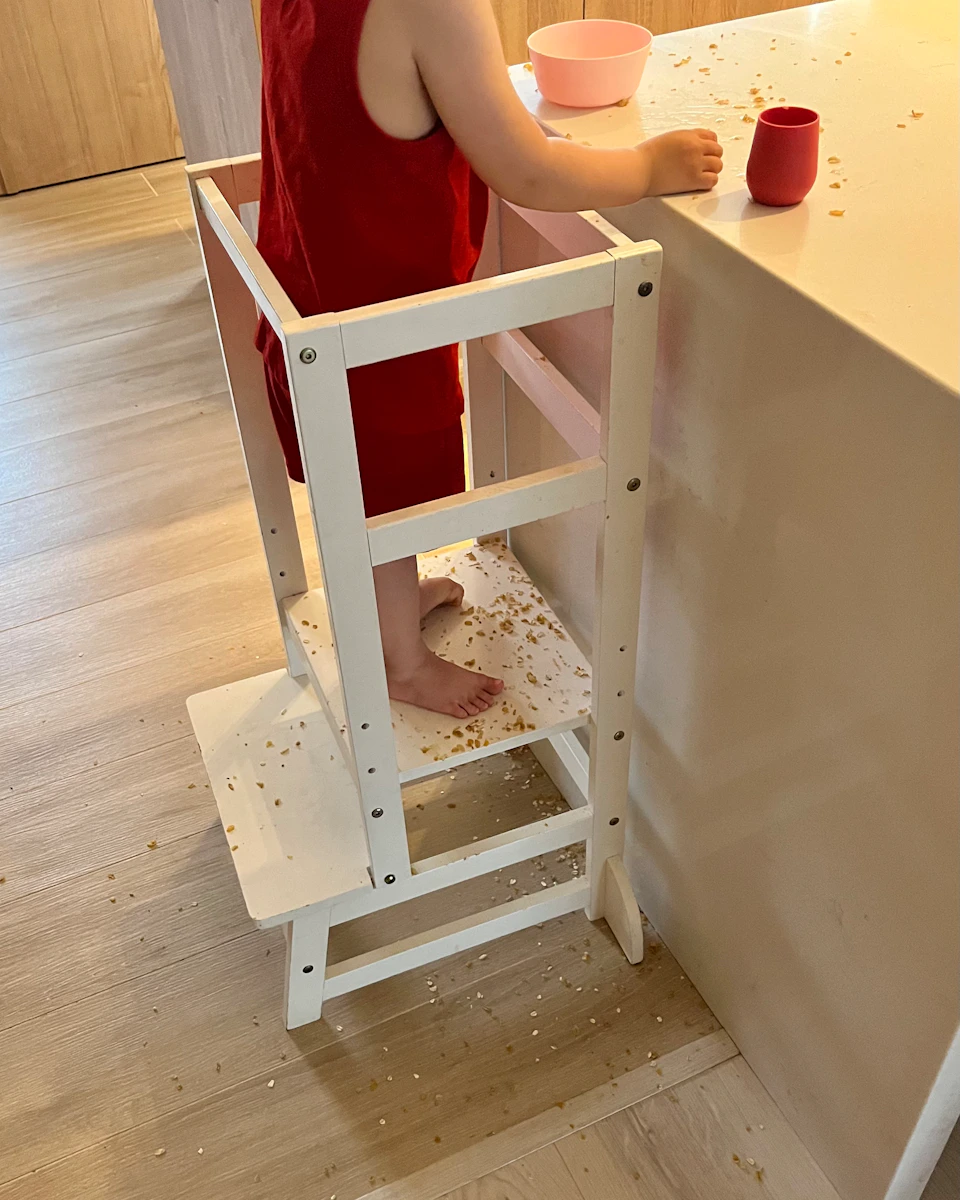
There are 100 examples in a given month, let alone in the nearly three years since my son arrived, that I have benefitted from being on autopilot: the time he pistol-whipped me with the base of a plastic bottle as hard as he could, making contact with my brow bone. Last week, when he spilled his teeny cup of cough medicine between the counter and his toddler tower, sticky purple goo sliding into grout and wood grain and his own toes. The night he dumped the breaded chicken cutlets I’d just assembled and fried for 45 minutes onto the floor, then picked one back up and rubbed it into his freshly- washed hair. The morning he knocked his head back into my mouth so hard that a chunk of lower lip tissue had to be pulled out of my bottom teeth.
And there’s the less violent, more mundane vexations—playing “Circle of Life” from the Lion King 18 times per day on the Toniebox; refusing to put on his shoes; the whining tone, oh the whining. That whining.
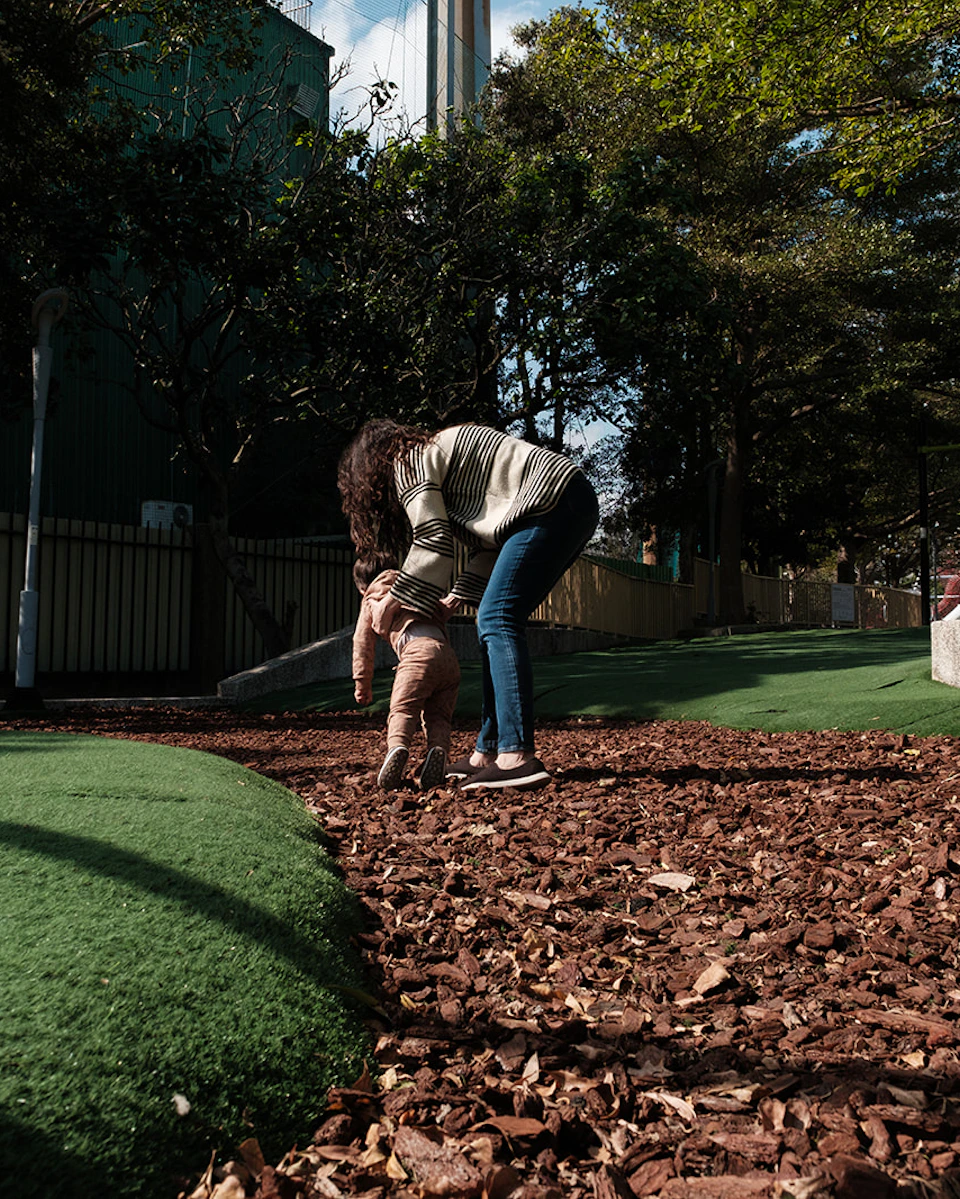
I have to exit my body, because neither fight nor flight is permissible in these situations. I cannot fight him, I cannot flee him, and indeed it’s my job in those moments to override every possible instinct and emotion and teach him how to be a better tiny person.
The dissociating began in the earliest days of my son’s life, when this seven-pound alien fresh from space would cry out in the night, in the day, in the dawn, in the twilight, again and again, and I couldn’t allow myself to feel the anxiety or horror or exhaustion at these shrieks. I just had to go to him, cross the 30 inches from bed to bassinet to lift him to my chest. The distance now to his room is only a few feet, but my body arrives there in seconds if I hear a choke or cry.
During a very difficult stretch, when he was around 15 months and constantly trying to eat glass or stick forks into his ears and I couldn’t blink, couldn’t breathe, lest I abandon my post of vigilance, I confessed to my own mother that I clawed toward bedtime every single night. I counted the hours until that release, when I could resume existence in my own body. I was so embarrassed to share this—through tears!—and she just laughed: “That’s how every parent feels, especially in the early years!”
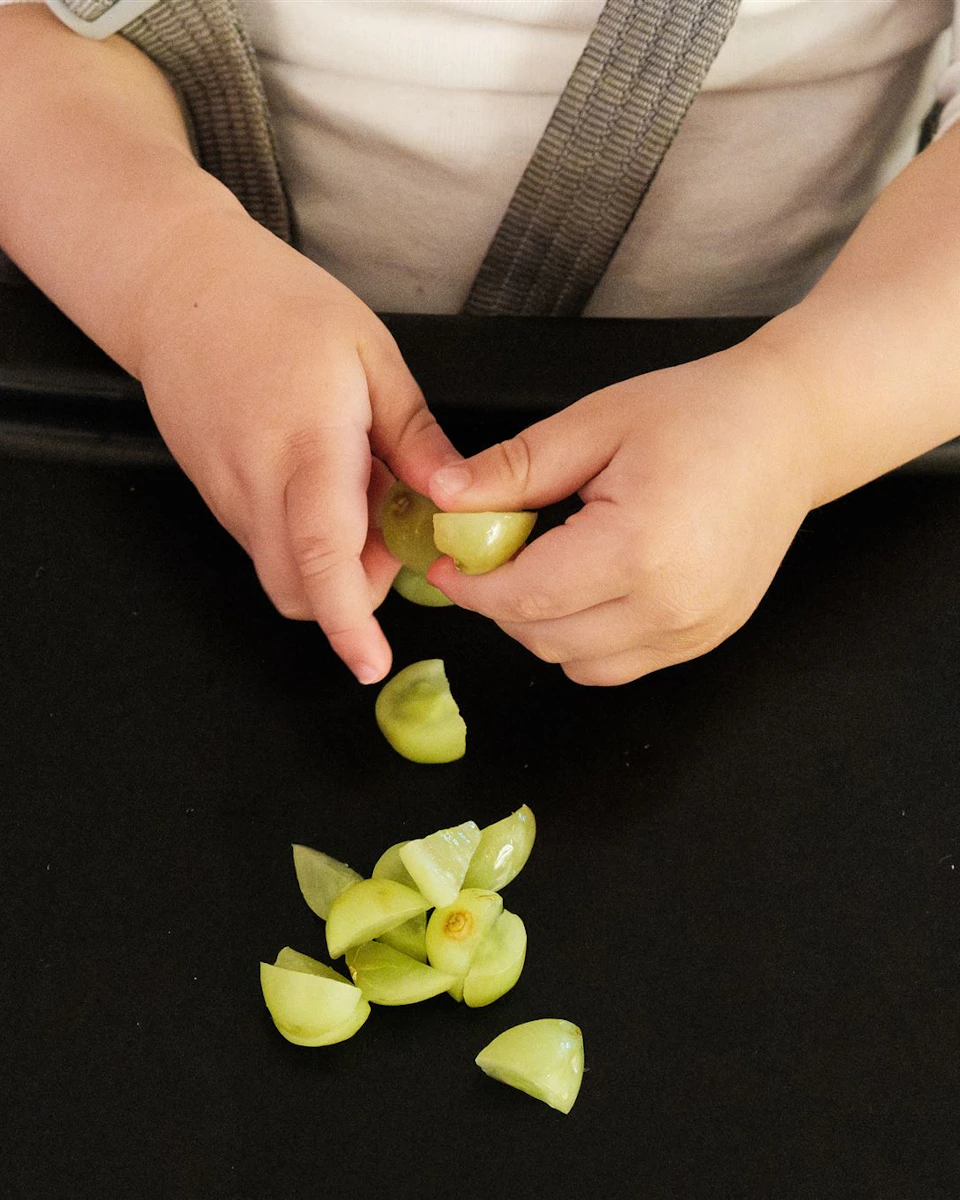
So by night, I welcome myself back, observing the almost physical descent of my soul’s return to my rib cage, and by day I slice his fruit and wash his pudgy hands and scoop up tiny metal cars, usually while a podcast about pop culture or politics plays aloud or in one ear. It’s not unlike the drive home, when you are back in front of your house suddenly cold and wondering, “How did I get here? Did I stop at red lights?”

"I clawed toward bedtime every single night. I counted the hours until that release, when I could resume existence in my own body."
Dissociation is a concept and symptom I’m familiar with due to a dozen or so panic attacks in my twenties. In those episodes, I had the sensation that I was underwater in an aquarium, seeing a distorted world from behind a thick wall of glass. It feels shameful to apply what sounds like such a grave psychological term to the daily drudgeries of motherhood. I’m not exactly a combat veteran shutting down over the unspeakable sights I’ve seen. For me, in this season of life, dissociation is an escape hatch, a safe room, a place to hang out.
But sure, it might also mean I’m irreparably damaged, so I checked in with two maternal mental health experts about this habit.
“In everyday terms, dissociation is this feeling of being disconnected or detached from yourself, your body, and your environment,” says Emily Sauer, PsyD, a clinical psychologist at the Motherhood Center in Manhattan. There’s a wide spectrum of dissociation, she says, where the most extreme cases are with folks who have experienced severe trauma, while the more mild cases might be “zoning out, daydreaming, or as we often hear with mothers, a kind of autopilot, where we’re just going through the motions,” she says. “I just need to get this diaper changed. I just need to get them to bed. I just need to get their shoes on before daycare.”
It can be a coping mechanism, a buffer, a dimmer switch that lowers the sensory overload. And dissociation may develop as an adaptation to the unrelenting, 24-hour, humiliating demands of motherhood. “What your brain is doing is saying, ‘We are overwhelmed. We're out of our window of tolerance for this experience that we're having. And the way we're going to cope with that is to check out a bit,’” says Rachael Alba, LMHC, a therapist certified in perinatal mental health and based in Rhode Island.


I was surprised and soothed to hear that it’s not only an understandable and common response to early motherhood, but an arguably healthy one. With the major caveat, of course, that it’s okay as long as I’m not so zoned out that I put myself or my child in danger, or up to the point where I can no longer reattach my soul to my bones. Where I’m so far gone that dissociation worms toward depersonalization, or an utter lack of identity, or severe depression.
“When it feels like you're dissociating more often than not, and when you become robotic, that's when we want to really make sure that there's support being provided,” says Alba, “because that's when it's becoming too hard for you to come back to yourself.”
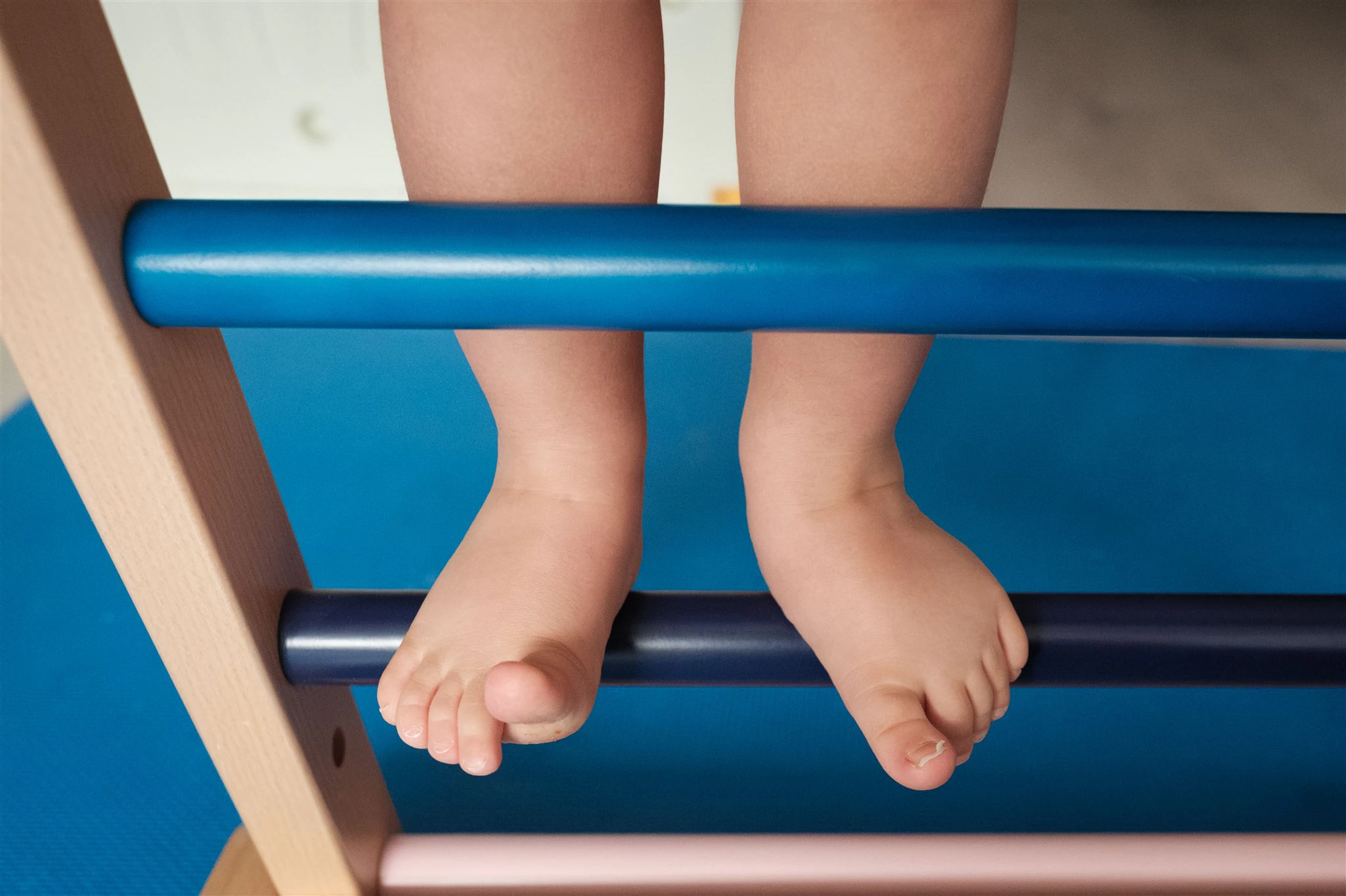
What remains is the guilt that I’m not enjoying motherhood enough—that I need to “cope” with it at all, and that my coping involves absenting myself from awareness of his chonky potato feet, from the sensation of a sticky hand patting my leg. How dare I remove myself from one single second of this?

"By night, I welcome myself back, observing the almost physical descent of my soul's return to my rib cage."
“I can't tell you how many times I've heard people say this, even in my personal life outside of clinical work,” says Dr. Sauer. "I just want to be present with my baby. I just want to be present with motherhood. There's such a pressure. And I always ask patients, family members, friends: Are we 100 percent present, all the time, with other things in our life that we care about?”
So my dissociation is a tool, but not the only tool. The simple knowledge that parenting won’t always be like this—neither this difficult, nor this adorable—is another. My algo has suggested on many occasions videos that instruct me to zero in on my child’s hands in moments of frustration, to appreciate their size and pudge and temporality, and bring myself back into pure appreciation and love. This trick does help, until he slaps me with them.
Some moments are so vividly joyful. Many more are brutal. I’ll daydream about the more delightful ones ahead.
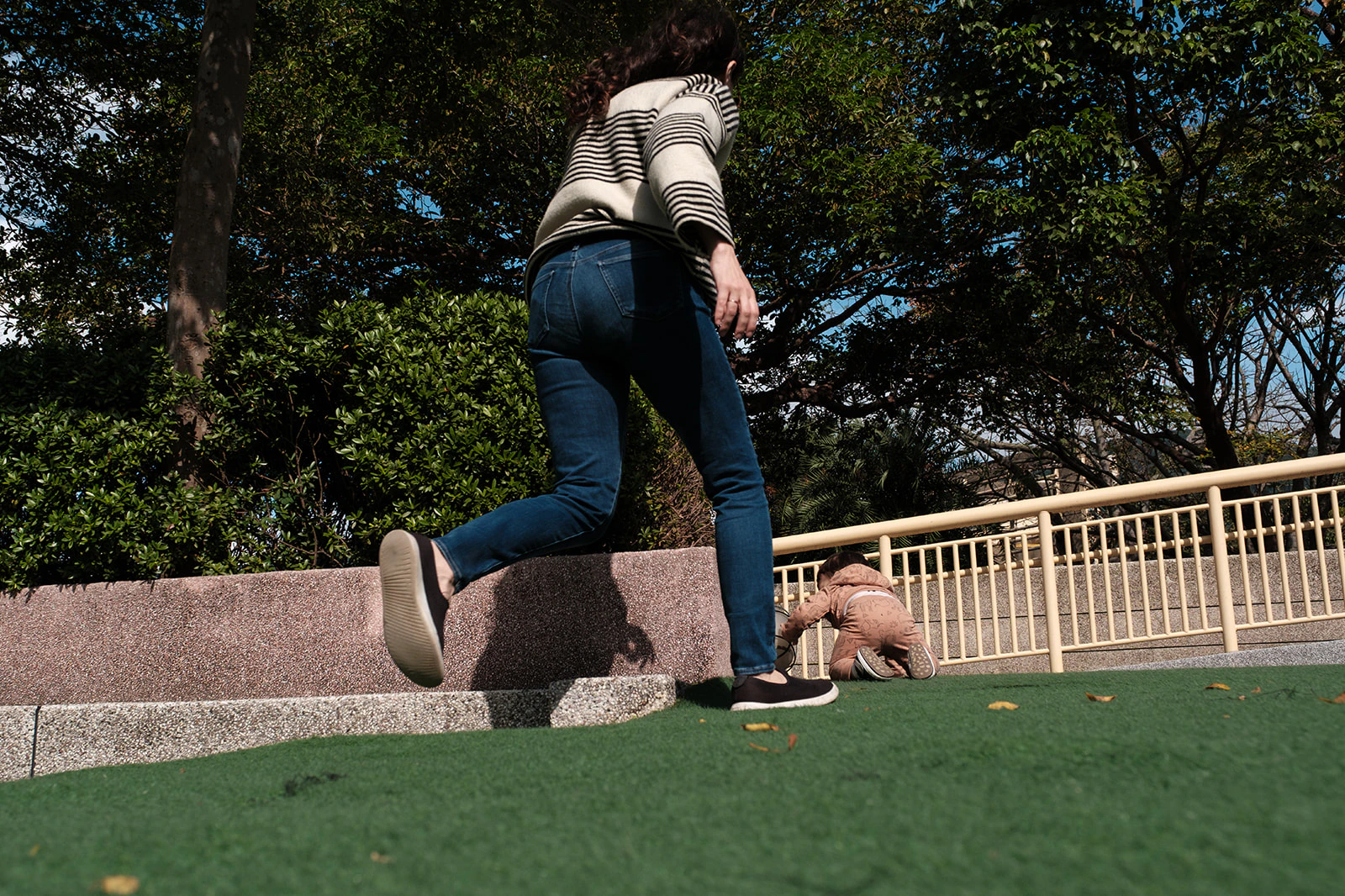
Kaitlin Menza is an American writer based in Taipei, where she covers gender, style, and culture. She's the mother of a toddler, with another baby on the way. You can read more of her writing at kaitlinmenza.com, or check out her Substack, Two Paragraphs from Taiwan.
Images by Cahleen Hudson and the author's own.