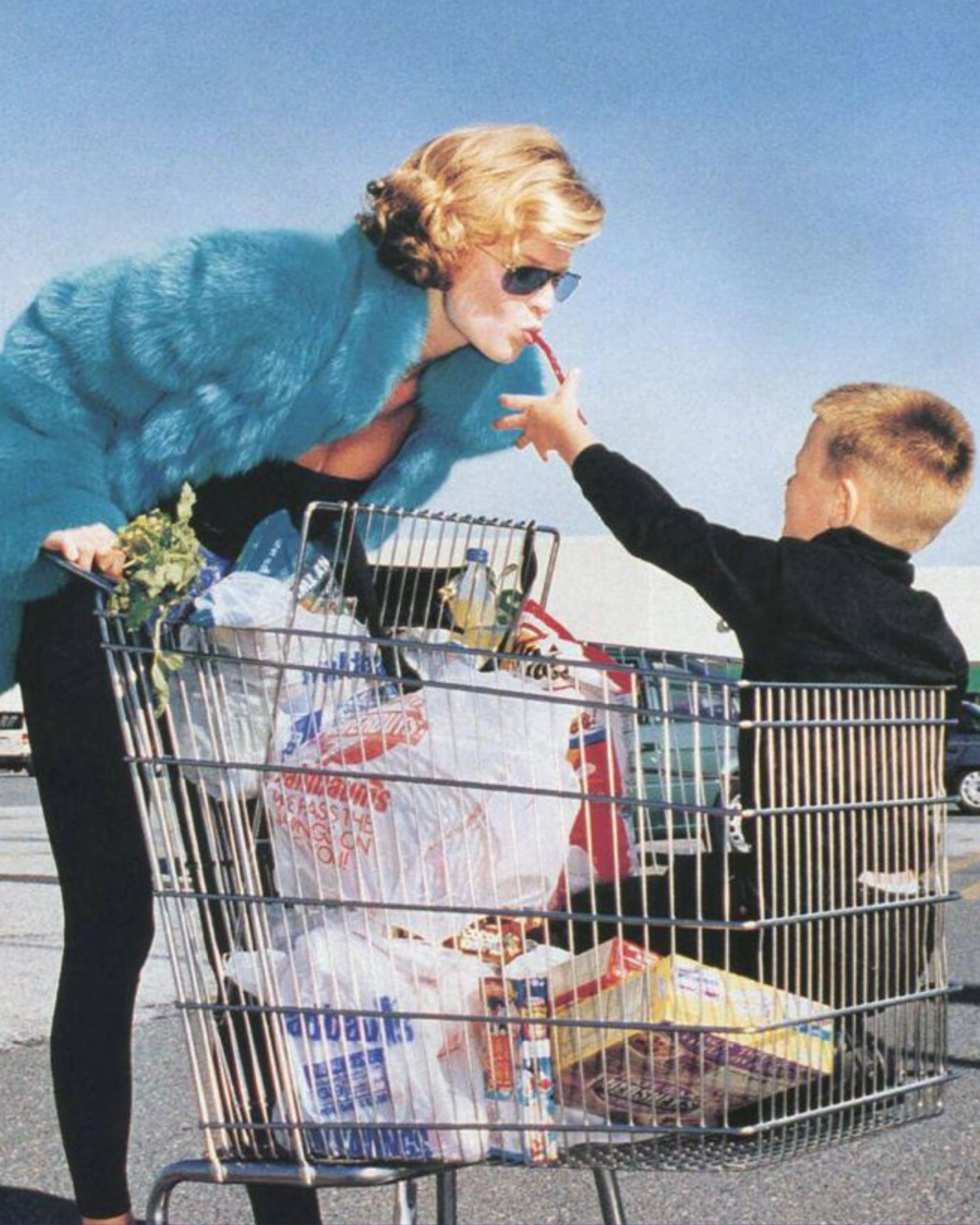
The Cost of Motherhood: Food
Words by Emily Barasch
Traditionally, Thanksgiving is time for reflection, gratitude, and an obsession with the big meal. (For more guidance on that, don’t miss our compilation of recipes courtesy STJ x Green Spoon.)
But realistically, food is a huge concern all year round—with grocery prices skyrocketing and access to healthy food more expensive than ever. And only getting more and more costly. Parents are literally going broke buying berries. In the meantime, our algorithms coach and shame us about what constitutes proper nutrition and how to feed ourselves and our children. Food is a tapestry on which we tell stories about scarcity and abundance, control and waste.
How and what our kids eat can become a proxy for the quality of our parenting and even our value system as a whole. As one parent told us, “When I get the photo from daycare of all the kids eating lunch together. I zoom in to see what the other kids are eating and judge myself for not being as creative, nutritious, or diverse with my kids lunch. I could just not look!”
At the end of the day, some of our kids eat sushi and some of our kids only eat Dino-nuggets—and all of us are doing our best. That said, food, meal-planning, and eating can become battlegrounds and a massive part of our mental load. “Feeding my kid is stressful and occasionally overwhelming,” one mom wrote. “It has entirely drained out the joy of cooking for me at this life stage.” Other STJ respondents called the process “draining,” “monotonous,” and “terrible.” (To be fair, a paper-thin minority stressed out how fulfilling or easy it was.)

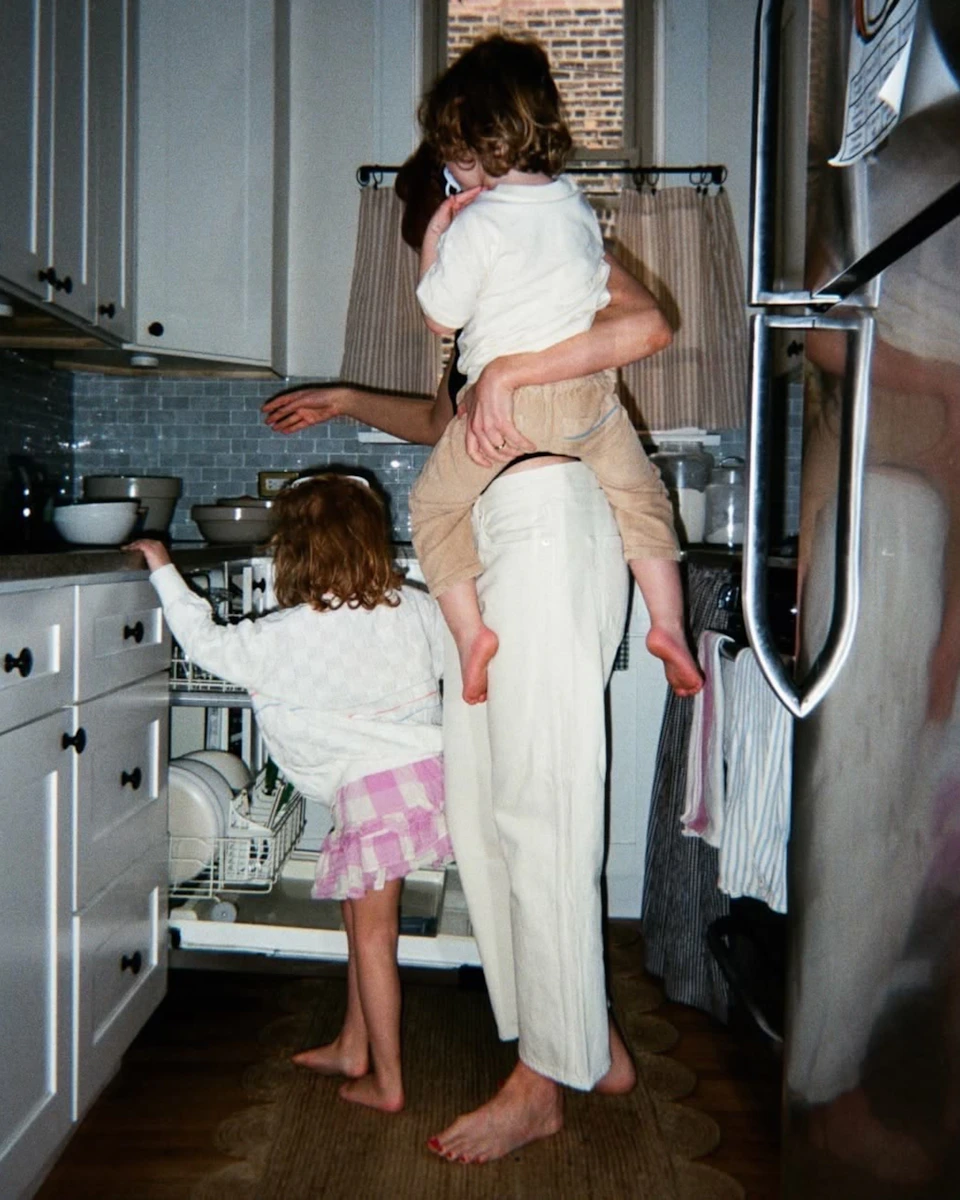
"Our households have become something of a short-order kitchen. Two in three of us make or buy a separate meal at least sometimes because our kids won’t eat what everyone else is having. For many of us, it’s every day. One mom succinctly shared: 'I am fully running a restaurant.'"
We’re responsible for the majority of the meals—and by we, I mean moms. According to our survey, 59.6 percent of you said you were solely responsible for what your kids ate and 28.1 percent of you agreed with the statement: “It varies, but somehow it always ends up being me.” So more than 87 percent of Spread the Jelly readers—shout out 5th grade math—manage the food for the home. What ends up on the plate is a direct result of about thousand conscious and subconscious decisions made mostly by motheres. And for those of us with picky eating, the preoccupation with and reality of feeding them is a part-time hair-pulling, patience-testing job at best.
All of this—grocery shopping, meal prepping, researching the right food, recipes, or products—is time-consuming. And extremely loaded. The majority of our respondents, no surprise, worry that their children aren't eating enough, eating enough variety, or getting the nutrition they need and feel guilty about how and what their kids are eating.

What is the most exhausting, expensive, ridiculous, or emotionally loaded part of feeding your children?
"It’s all a lose lose. I stress she doesn’t eat enough, what she does eat isn’t nutritious, the vitamins she’ll eat are gummies and I know those aren’t the best kind, the things she eats might make her eczema worse. I feel like it is impossible to win."
"Exhausting: toddler likes constantly change! Expensive: berries. Emotionally loaded: worrying about people judging me for feeding packages or processed food on occasion (I live in Bay Area ca, big food snob energy lol)"
"We try to only make one meal and that is what our children will eat, but it feels deflating and cruel when they push the plate away before trying even one bite. Then it becomes a decisional juggle of do I force them to try it, let them go hungry, or cave and give a piece of toast with butter? All routes feel like a loss."
"My eldest son is autistic and refuses to eat anything that me or my youngest will eat, so I’m typically forced to make two separate meals."
"Expensive - all of the “healthy alternatives” ie almond flour, ground flax seed, organic fruit / veg, etc. I just don’t know if I’m doing a good job at feeding him, but that can be said about motherhood overall"

By the numbers
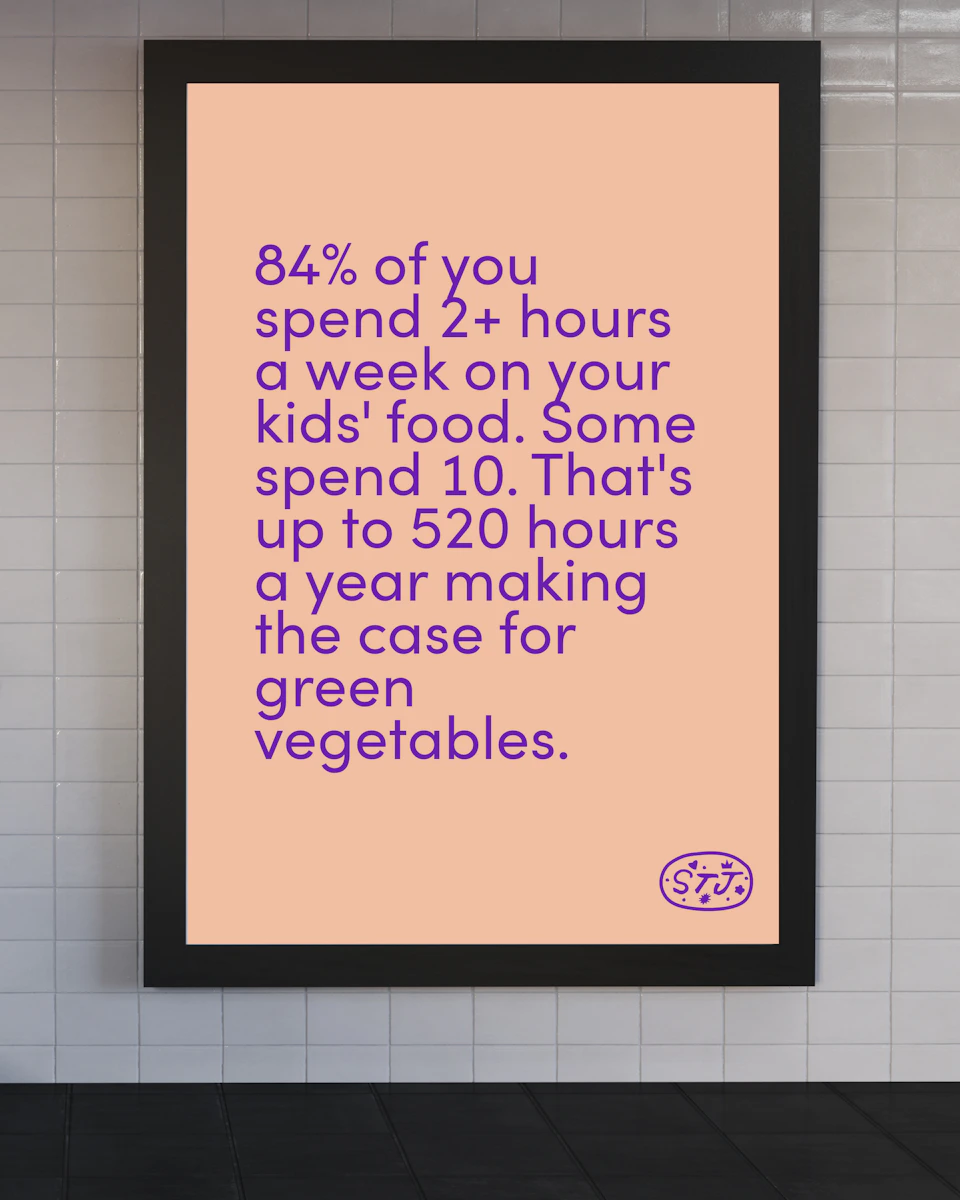
The time. 84.2 percent of you spend two or more hours a week thinking about, planning, shopping for, prepping, and packing your kids’ food. Nearly one in five (17.5 percent) spend five to ten hours. That’s up to 520 hours a year, or 13 full work weeks, spent on getting a toddler to eat something green.
The bill. More than half of you (52.6 percent) spend $200 or more on groceries each week. Two in three say at least a quarter of that budget goes to feeding the kids, and 28.1 percent put it at 50 to 75 percent. Then there’s takeout: 82.1 percent spend $50 or more a week ordering in, and 39.3 percent spend $100 or more.
The bin. 71.9 percent of you throw away $10 or more of food every week because your kids refuse it, don’t finish it, or suddenly decide they hate something they loved yesterday. For 43.9 percent, it’s $25 or more, or up to $5,200 a year. Another 10.5 percent chose the answer: “I don’t want to know.”
The worry. 91.2 percent of you worry about whether your kids are eating enough, eating enough variety, or getting the nutrition they need. 38.6 percent worry daily or more.
The guilt. 94.7 percent of you have felt guilty about what or how you feed your kids. More than one in four (26.3 percent) feel it frequently.