Getting Sticky With Anna Malaika Tubbs
Photos by Maggie Shannon, Words by AnaMaria Glavan
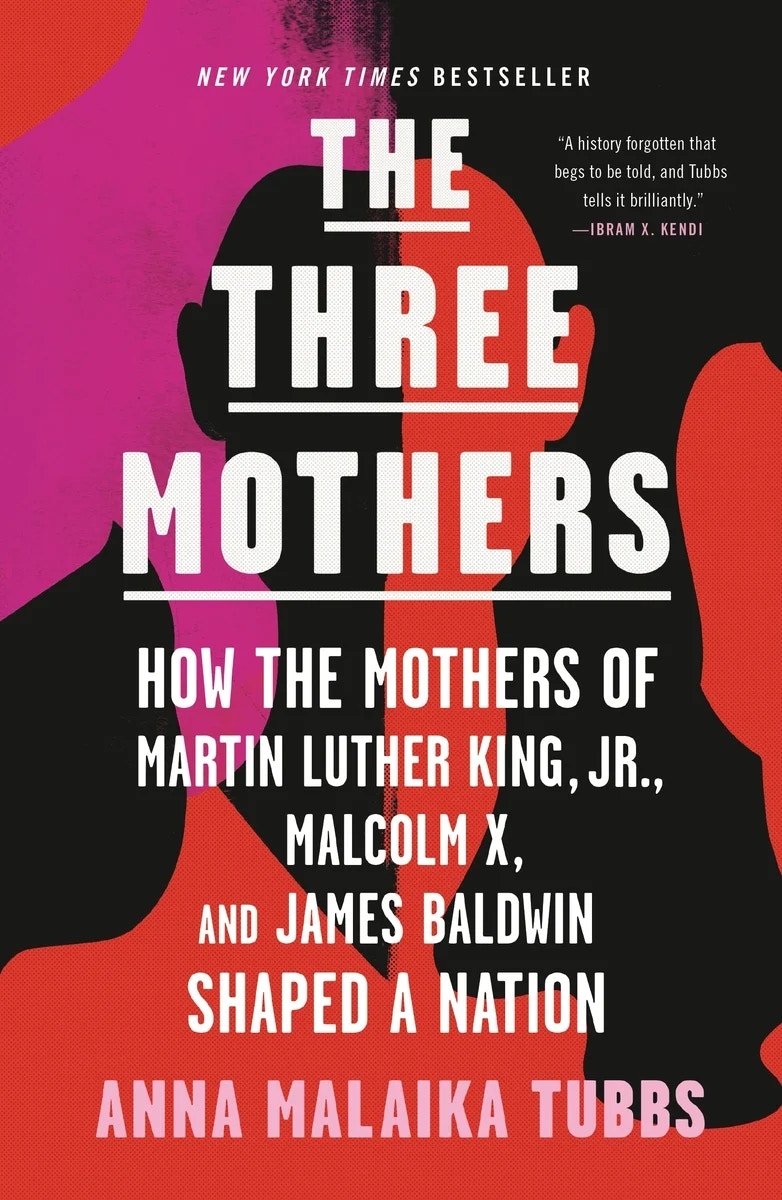
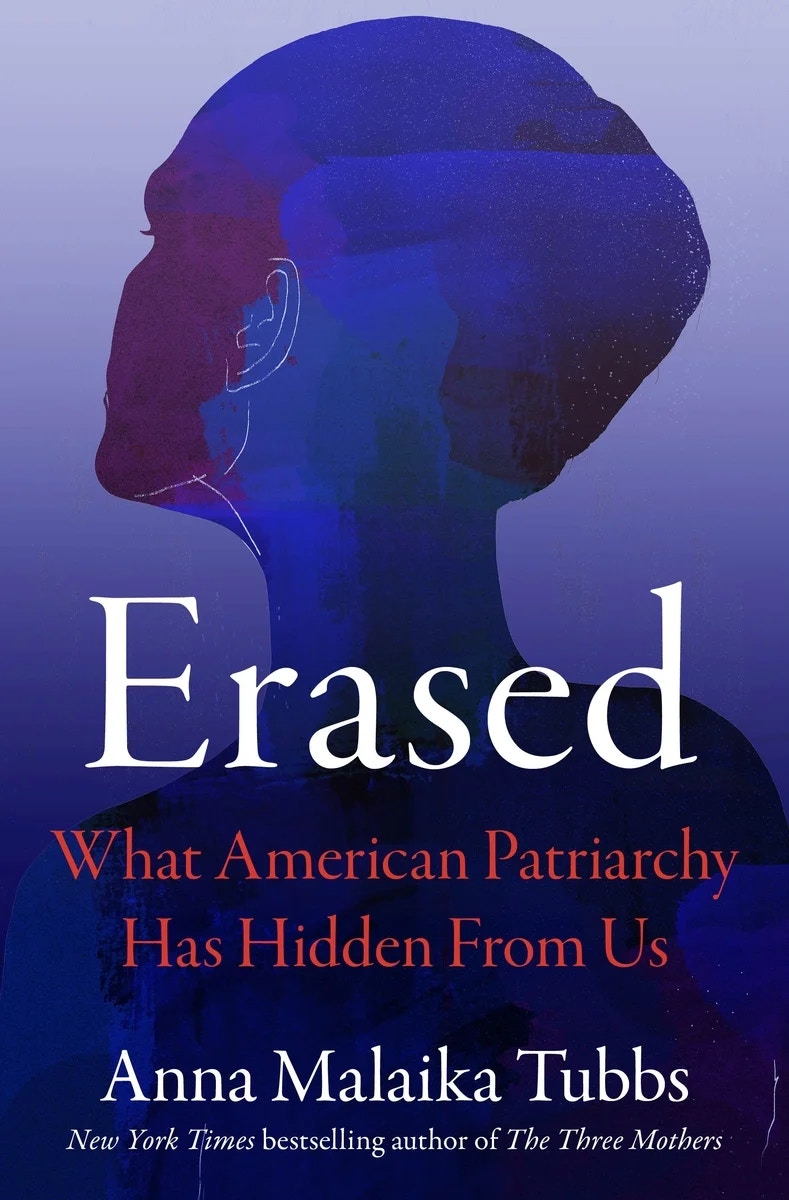
Anna Malaika Tubbs had a transcendent birth experience. She credits this, in part, to the extensive research she did for her books, The Three Mothers and Erased. Both dive into history and strategies put in place by the founders of this country, often meant to strip mothers of their power in order to suppress rebellion. And the worst of it? The strategy works, largely because it keeps us pointing fingers at one another.
Are you a bad mom for going back to work? Are you a bad mom for not nursing? Are you a bad mom if you do nurse? (The answer to that last question seems to shift depending on what the economic times are looking like, but more on that later.) So much of “mom guilt” that we impart on ourselves and on others is a contrived notion that traces back to one core source. American patriarchy.
In many other countries, families are given paid leave and, when that time is up, adequate childcare systems are in place so no one has to fend for themselves. Of course “trad wife” discourse is running amok. How could it not? The system is much easier to uphold when we’re pointing fingers at each other instead of the actual bad guys. And if you’re sick of hearing this fact, that’s part of the problem, too. We’ve begun to normalize practices that are simply not normal in other countries.
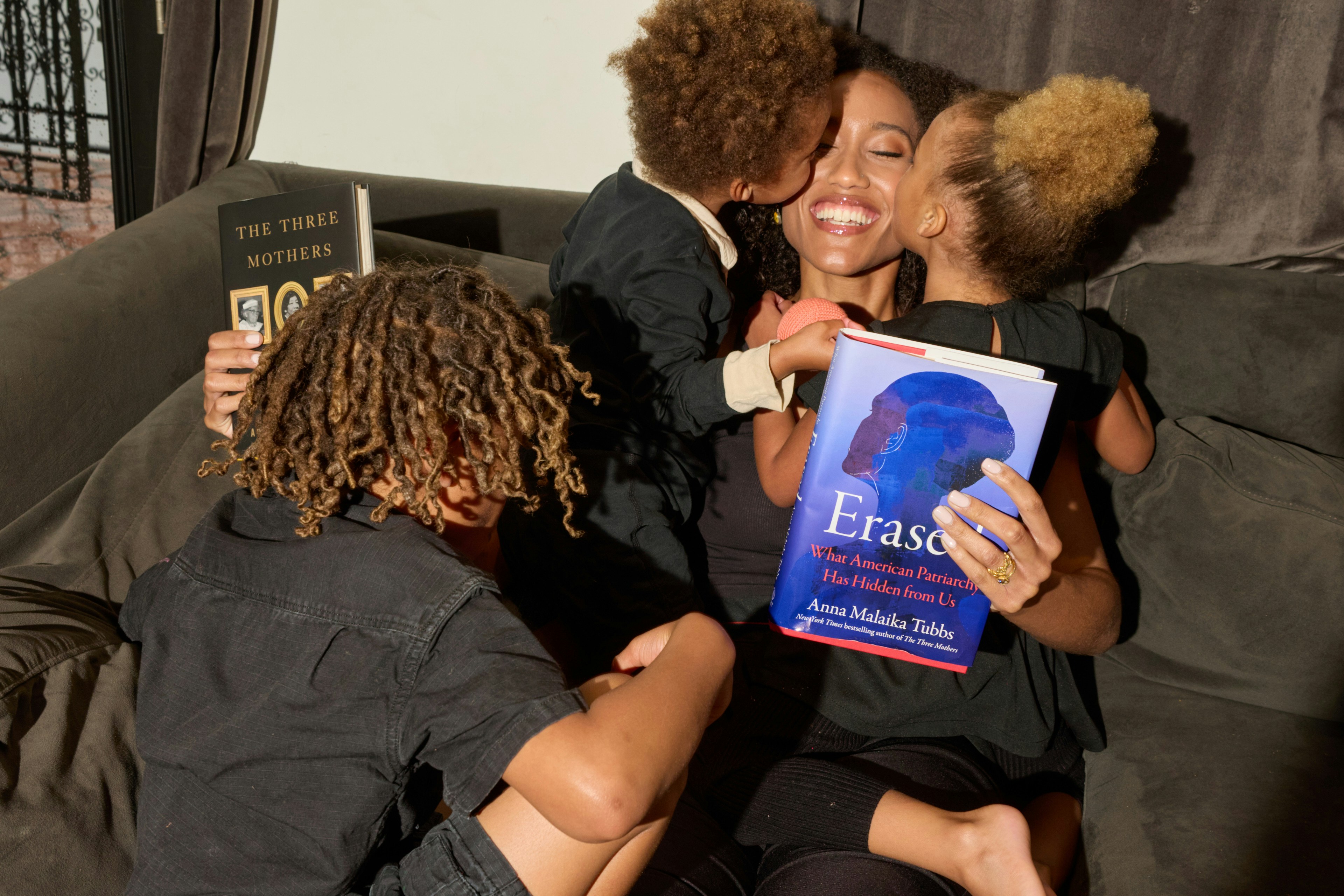
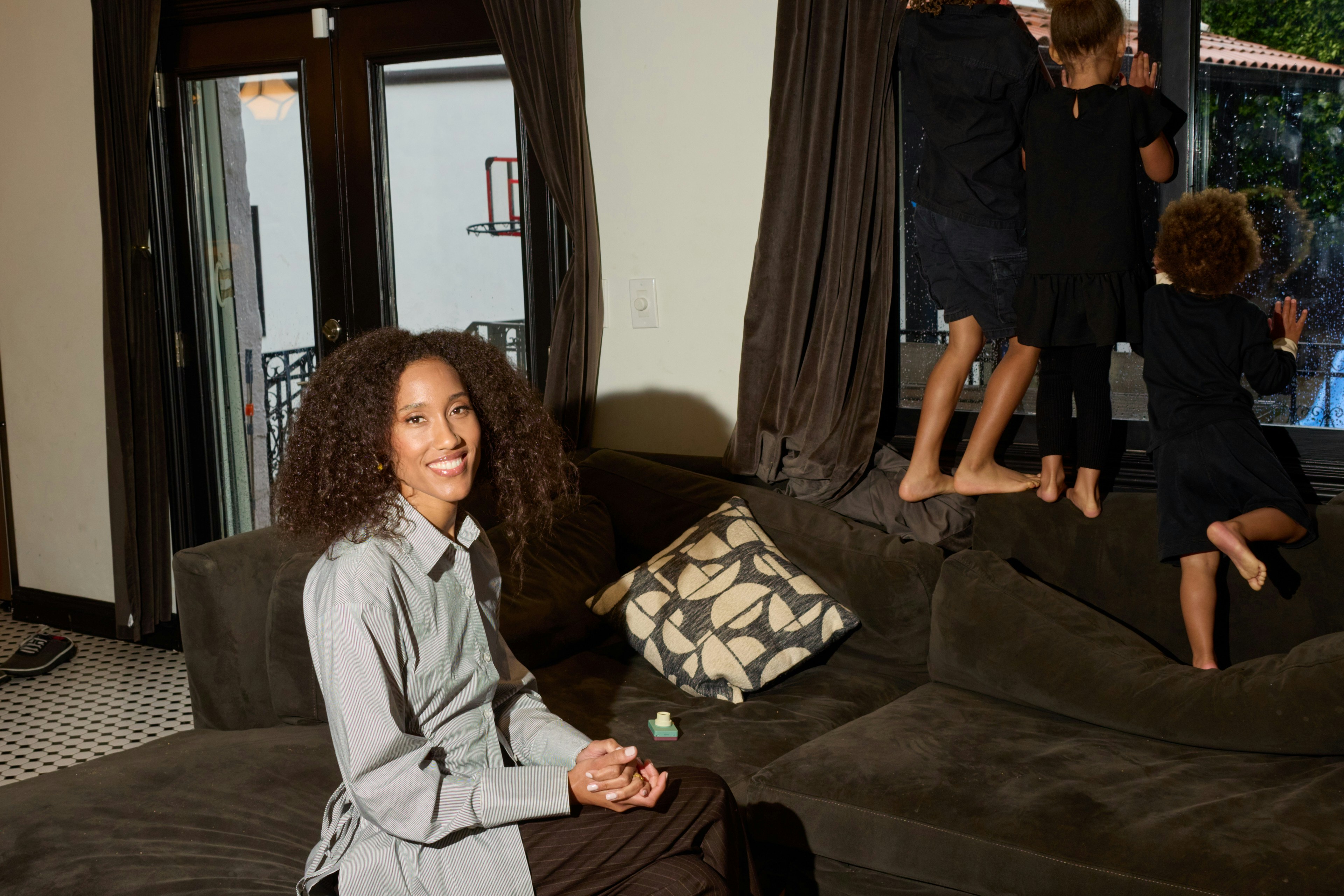
We spoke with the 2x New York Times bestselling author, sociologist, and mother of three about how recognizing systemic traps gave her the power to anticipate them—and allowed her to protect her joy and intuition.


“It’s not a safe country to have children in”
My entrance into motherhood was powerful and beautiful. A large part of that was because I understood what I was up against. I was in the middle of writing my first book, which is about the mothers of MLK Jr., Malcolm X, and James Baldwin. I was deep-diving into the treatment of motherhood in the U.S. and very specifically the treatment of Black mothers in the U.S.
It felt like the perfect time to be expecting my firstborn because I was so aware of the strategies used against mothers in this country—the way we’re made to feel exhausted, robbed of our power. In the history of Black motherhood in the United States, there’s been the separation of children from their mothers and a complete dishonoring of the motherhood role. And yet Black women have always reclaimed that and said, we are proud of our humanity and we will change this country so that it is worthy of our children.
I was deeply aware of the resistance strategies and the importance of not allowing said strategies to rob me of the joy or magic. I also knew I needed either a midwife or doulas with me. The data made that an easy decision. I also felt very grateful that I could afford those choices, knowing that not everyone can, and that I would advocate for broader access.
I had the most beautiful experience working with women of color who said to me, “You are in charge of this.” I had come to them expressing my fears, that things could go out of control or that I wouldn’t be able to make decisions on my own, and they let me share all of that. Then they reframed it: you are the leader. We are your team. You’re not alone but you are in control. That shifted my mindset. Medical experts shouldn’t be there to dictate but rather to listen, to respect your decisions. I’m the only one who knows what I’m feeling.
And symptoms are often overlooked because people don’t listen. I always emphasize that the maternal mortality crisis affects women of all backgrounds and socioeconomic statuses. It disproportionately affects Black women, yes, but it affects everyone. Sometimes when people hear “Black maternal health crisis,” they become numb or assume it doesn’t apply to them. But first and foremost, it’s affecting all women in this country. It’s not a safe country to have children in. That reality is exacerbated for Black women.

"My entrance into motherhood was powerful and beautiful. A large part of that was because I understood what I was up against."
Every culture parents differently
I have three children. I always say my hardest transition—even though it was beautiful and magical and I had a lot of support—was zero to one. That’s the biggest metamorphosis. You’ve never birthed before, you’ve never nursed before, you’ve never left the house having to pack for a baby before. With your third, you’re like, “I’ll just put a diaper in my pocket.”
After I really internalized the importance of trusting myself, motherhood felt more grounded. That’s a theme I always return to: our instincts are powerful. With my firstborn, I remember nurses telling me I couldn’t co-sleep or hold him the way I wanted to. That felt strange to me because I grew up mostly abroad in places like Dubai, Estonia, Mexico, Sweden, Azerbaijan. I also went back and forth to Ghana, where my dad is from, and other cultures parent so differently.
Not holding my baby felt unnatural to me. But I thought, “They must know something.” So I put him in the bassinet and he cried so much on that first day. I quickly realized co-sleeping was the best sleep for both of us. I say this without judgment toward anyone else because every family should choose what works for them.
"Sometimes when people hear “Black maternal health crisis,” they become numb or assume it doesn’t apply to them. But first and foremost, it’s affecting all women in this country. It’s not a safe country to have children in. That reality is exacerbated for Black women."
Motherhood is power, and our believing otherwise is the result of a finely-tuned strategy
I’m a proud nerd, a sociologist and historian. I’ve researched where the U.S. narrative around co-sleeping came from and it's tied to patriarchy and white supremacy.
My second book is all about patriarchy in the United States. With anything that has to do with controlling the power of women and their instincts, American patriarchy has a specific relationship to that. And I say American patriarchy because patriarchy exists across the world, but I believe it shows up differently in each nation.
The U.S. has a very unique set of norms and rules that are always in service to what the founding fathers wanted, which is to retain power in their hands and in the hands of those like them. I have to go back in history a bit, but it’ll all make sense! Stay with me.
My theory in Erased is that when the founding fathers won the Revolutionary War, they became concerned that other “underdogs” would also fight for their own revolution—because they had just been the underdogs, and nobody expected them to win. They were also suppressing a lot of people in that process: women, people who were enslaved, Indigenous Americans. They got worried that this rebellious spirit was spreading across their new nation, and that they needed to control it. Shays’ Rebellion is one example that signaled to them: we need to lay down the law.
They set up the Constitution with the insecurity of losing power in mind. And the Constitution defines who counts as a “person” in the United States as: men like them. And the only role women have, which they don’t frame as power even though it is, is to reproduce the power of men through children.
Every strategy that comes out of that founding vision is about making sure the people don’t realize how important and persuasive motherhood can be. They need mothers to think that this is their only ability, and that it’s not even that big a deal. You have to remove the feeling of power from that role.
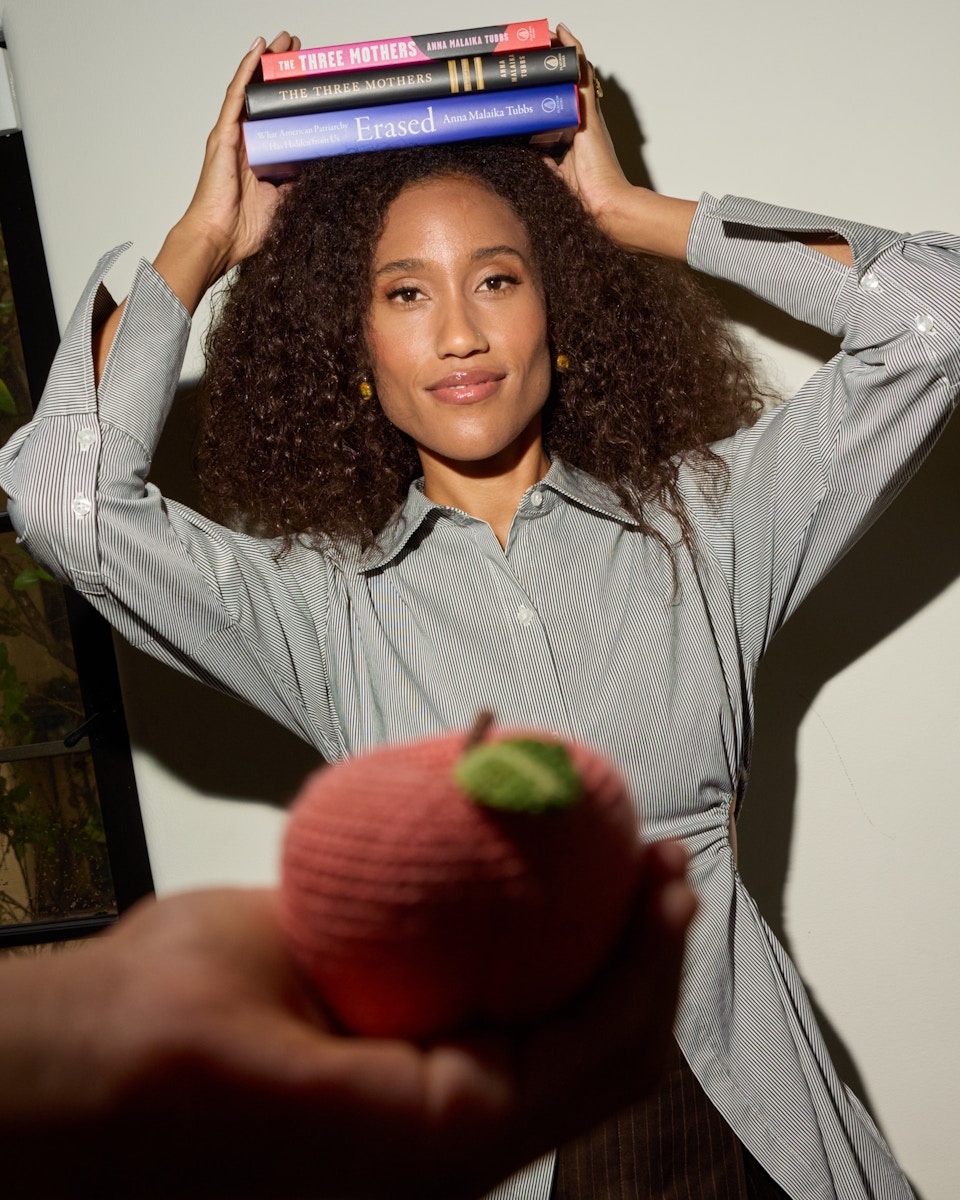
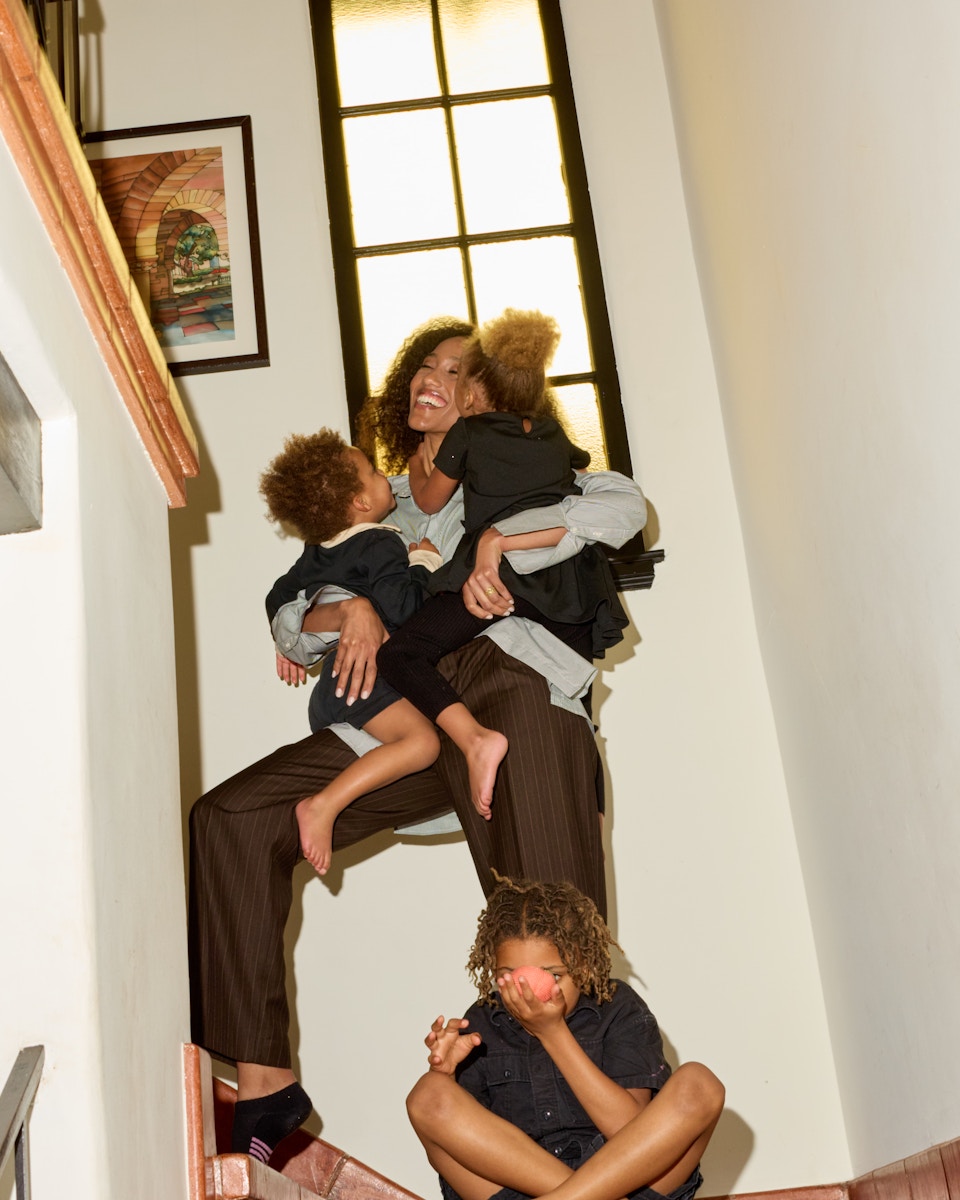

"They set up the Constitution with the insecurity of losing power in mind. And the Constitution defines who counts as a “person” in the United States as: men like them. And the only role women have, which they don’t frame as power even though it is, is to reproduce the power of men through children."
Another effect of that strategy? Pointing our fingers at one another
There were three men who shaped this in the U.S.: the “father of gynecology,” the “father of obstetrics,” and the “father of modern medicine.” All three were deeply against women treating women and they wanted to take control of midwifery in particular. There are documents where they call midwifery dirty, where they say these women don’t know what they’re talking about.
White women were told: you’re doing this to pass on the status of men in your life. So at every turn, anything related to mothering for white women became: we are going to tell you how to do this. Birthing, co-sleeping, nursing. Even nursing becomes “good” or “bad” depending on what served them at the time.
Black women were told by law, “Your children are not your children; they are someone else’s property.” Black mothering becomes different from white mothering because it was always about envisioning something beyond what’s readily available and building something separate from American patriarchy. It’s not only: how do we bring children into the world? It’s: how do we create brand new worlds with our children? There were these very specific attacks on Black people carrying forward traditions as a result. The same thing happened with Indigenous families where they were told their traditions were wrong and they needed to assimilate.
So the way I see so much of U.S. history is: this group of men got to decide everything, and created multiple strategies to make sure we didn’t question that. This made us question ourselves and blame each other instead. This shows up so intensely even today, where we point our fingers at one another instead of stating the truth, which is that this system doesn’t see any of us as worthy of making decisions for ourselves.
There were even periods where they wanted women working, so nursing was treated as something uncivilized. And then, especially after wars, when they wanted women back home, suddenly it was: “Go home and nurse because that’s what good mothers do.”
Right now we’re in a phase where there’s pressure for women to stay home. This administration, for sure, is repeating cycles of the original social order. What you see in things like Project 2025 is a reproduction of that same worldview. How do we get women to have more children again, and how do we keep them in that role?
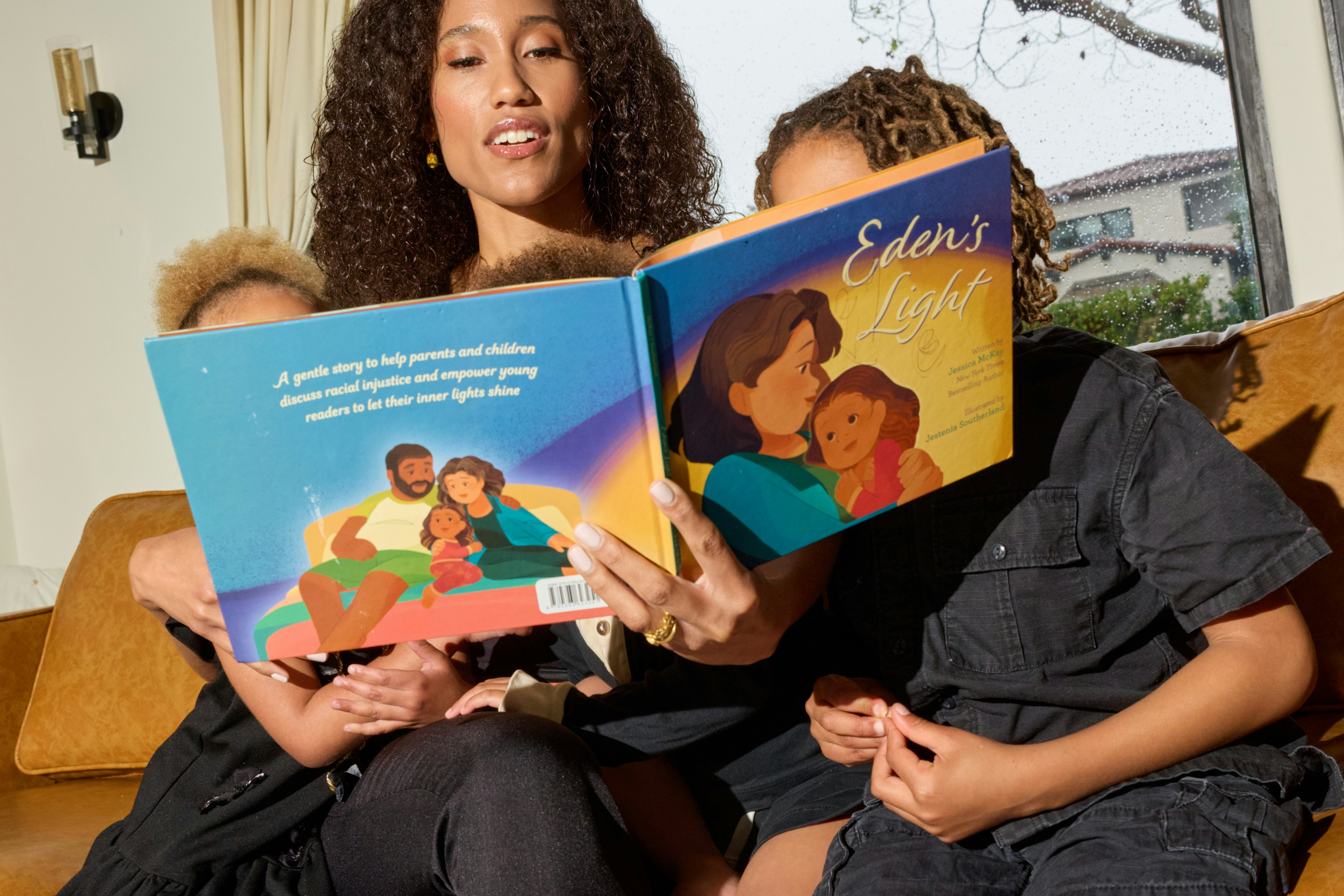

"So the way I see so much of U.S. history is: this group of men got to decide everything, and created multiple strategies to make sure we didn’t question that. This made us question ourselves and blame each other instead. This shows up so intensely even today, where we point our fingers at one another instead of stating the truth, which is that this system doesn’t see any of us as worthy of making decisions for ourselves."
ICYMI: It shouldn’t have to be like this, and other countries are proof
When I talk about patriarchies across the world, I’m never in the business of ranking them like, “Which patriarchy is better or worse?” All patriarchies are bad. But there are layers to how they show up, and those layers shape people’s experiences differently depending on the context.
When it comes to birth, mothering, and how mothers are treated, the U.S. is horrible. We are low, low, low. We might be comparatively higher in certain areas, like access to political participation, sure, but when we’re talking about how we treat mothers and birthing people? It is bad.
There are a lot of countries doing better than we are in this very specific area. The ones that often come up are the Scandinavian countries. And the reason I know a bit about them is because my mom had my sister in Seattle, but she had my brother in Stockholm, Sweden, and then she had me in New Mexico. So she experienced these different systems firsthand, and she always talked about how much better it was in Sweden to be a mother.
One thing she always brought up is that when a child is born, parents get a baby box of all the essentials you need at the beginning. It’s an equalizer at the start of life. In the United States, from day one it’s like, “Oh, do you have money for that? Oh you don’t? Well, good luck.” Why would we not, at the very least, give parents what they need for that first month? We don’t give anything.
Then there’s parental leave, of course. Again, it should be a no-brainer. But in the U.S., we’re much more focused on productivity than we are on bonding and family relationships. If there’s a dad in a heteronormative relationship, the thinking is you don’t need to be with the kid, you’re not the caregiver, and you need to go back to work. And for women it’s: you get a week, maybe two, and if you’re lucky, you get six months. And we’re all like, “Oh my god, six months! Amazing!” Meanwhile, across so much of the world, people get a year. That’s not some wild luxury.

The family is the first society
People ask me all the time, “How have you had three kids in such a short amount of time and put out two books?” Sometimes women get offended by that question, but I don’t take offense personally, because it really is a mystery in the United States. Because here, we have to make it up.
So many of the fights we’re having in the U.S.—nursing versus formula, staying home versus working, all of this—are distractions from the real issue. In other countries where support is built in, you’re not having the same debates, because families actually have time. You don’t get “trad wife” discourse if parents aren’t expected to go back to work until their kids are older. Here, we’re forced into that debate: “You’re a bad mom because you went back to work,” when for so many people, it was a necessity rather than a choice.
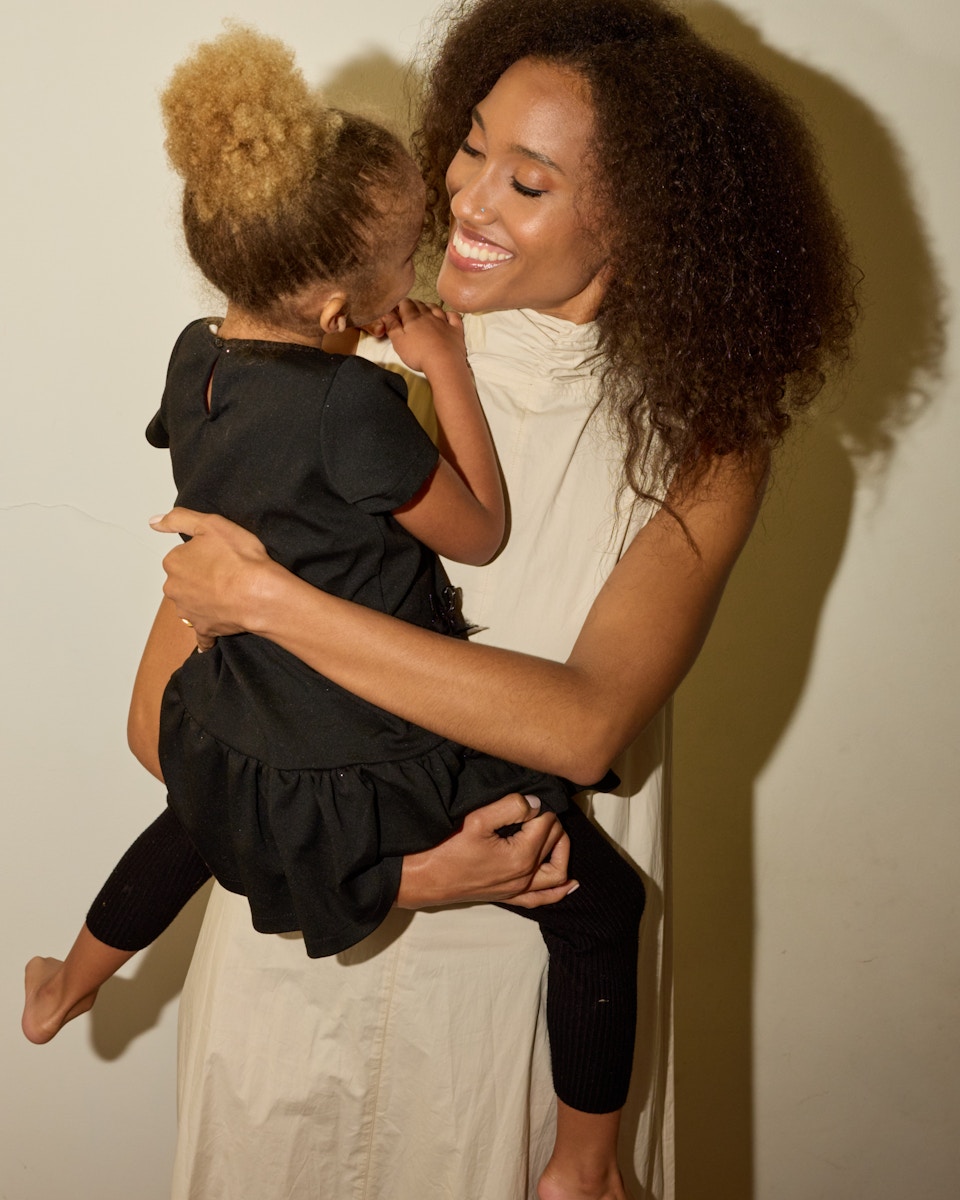
As a sociologist, I believe that the family is the first society. We have to protect that first society so it can ripple outward into the macro society in a healthy way. And we have it entirely twisted in the United States; we serve the macro society and abandon the micro societies. That’s the core issue we’re dealing with.
My husband is running for office. He’s running for lieutenant governor of California and used to be the mayor of Stockton; he was the youngest mayor of a major American city in U.S. history. So much of his policy comes from being raised by his mother, his grandmother, and his auntie—three Black women navigating this system. And yes, he’s the exception in that he made it despite the lack of support they received, but that’s not how it should work. People shouldn’t have to be “exceptional” just to get their basic needs met.
Nature and nurture, culture and direct policy
I have an undergraduate degree in anthropology, a master’s in gender studies, and my PhD is in sociology. I’m technically an academic, but I get very bored by academics. I’ve always wanted to be more public-facing with my work; to write books people could connect to but that also have a role to play in social justice and making the world better, specifically the United States.
A lot of that comes from my mom. She was a lawyer, and she advocated for women’s and children’s rights in the U.S. and abroad. She believed you could see not only culture but direct policy reflected in outcomes: countries with higher wellness or happiness scores often had stronger support when a child was born—parents getting what they needed, structural support, leave, care. The vice versa is also true. When you denigrate motherhood, deny it honor, and refuse to provide support, you see cycles of pain and poverty repeat.
When The Three Mothers came out, especially once it made it onto the bestseller list, I kept getting the same questions: How did we not know that they shaped everything their sons became famous for? And people kept saying, “What a creative idea! How did you come up with it?” And I would always say: I don’t think it’s creative at all. Someone else should have written this before me.
"As a sociologist, I believe that the family is the first society. We have to protect that first society so it can ripple outward into the macro society in a healthy way."

“For me, labor was transcendent”
I tend to say that I’m not surprised by patriarchy anymore, so there wasn’t a moment in my research where I was like, “I can’t believe this.” But there were definitely moments where I thought, more people need to know this.
One example is from the history of obstetrics in the United States. There was a time when male doctors decided the “best” way for women to give birth was to put them into what was called “twilight sleep.” Women were heavily drugged, unconscious, or semi-conscious, and wouldn’t remember the experience. The only people who knew what was happening in the room were the doctors and nurses.
Later, when some nurses couldn’t keep the secret anymore, it came out that women were so drugged they were thrashing against walls, vomiting, completely out of control. Babies were being born drugged. It was traumatic but it was framed as civilized medicine because male doctors believed that it would be better if women didn’t remember it. And when you compare that to Indigenous or community-centered birth practices, where birth is understood as one of the most powerful experiences you can go through, the contrast is staggering.
For me, labor was transcendent. I felt like I met my ancestors. I genuinely felt like a goddess. It was this moment of: you cannot tell me anything after this. To rob women of that experience and to say, “We’re going to knock you out so you don’t even know what happened” tells you everything about how threatening women’s power has been.
This isn’t surprising, but people need to understand that this was done. And why.